Stay connected with BizTech Community—follow us on Instagram and Facebook for the latest news and reviews delivered straight to you.
The United States and the United Kingdom have reached a limited trade agreement that reduces or eliminates tariffs on select goods, offering short-term relief to key British industries hit hard by President Donald Trump’s revived protectionist measures. While the agreement is being touted by leaders on both sides as a breakthrough, analysts note it falls short of a comprehensive deal and leaves significant tariffs intact.
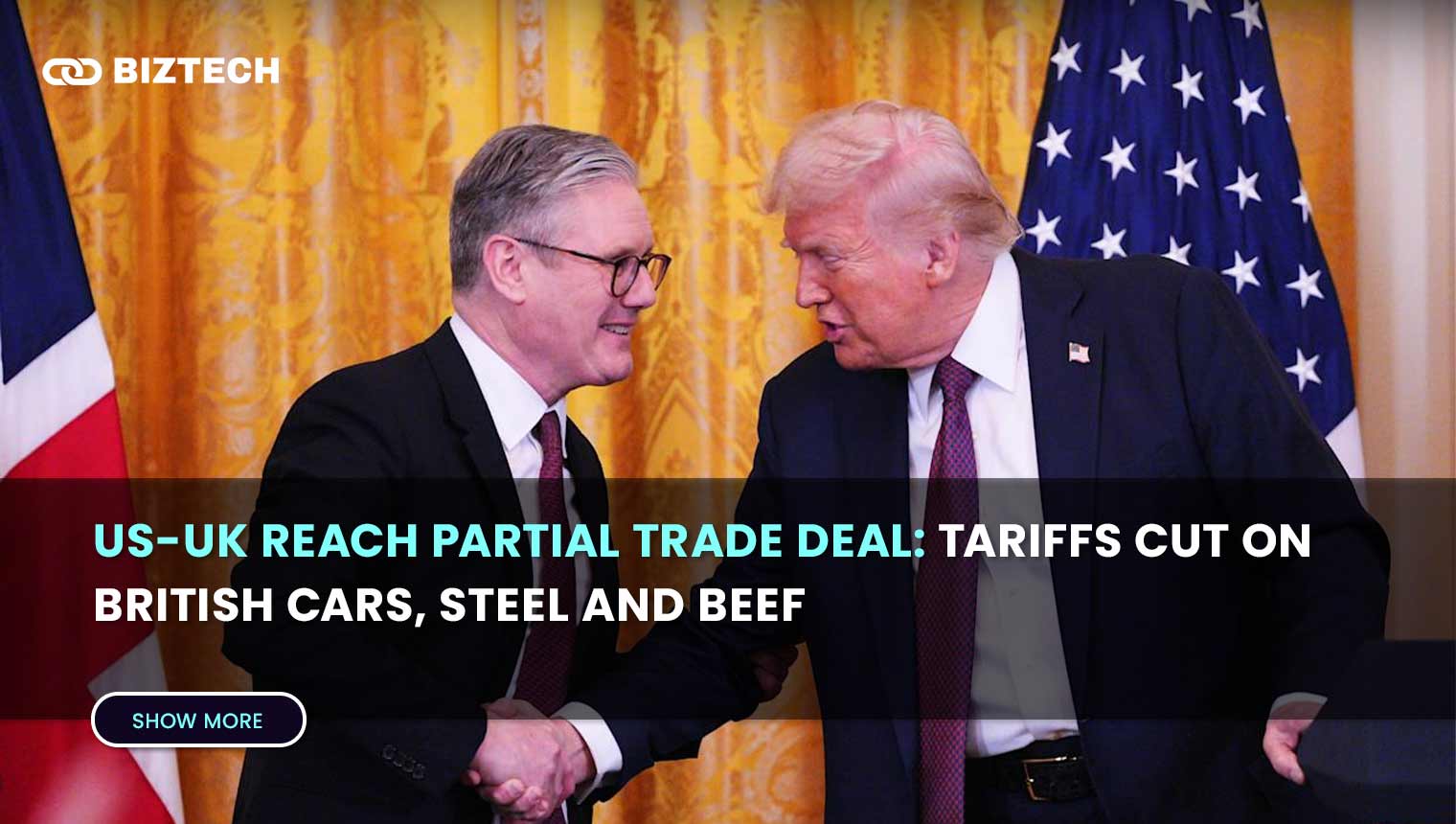
Announced during a joint appearance by President Trump and UK Prime Minister Keir Starmer, the deal cuts import duties on 100,000 British-made cars annually and reinstates a quota system for steel and aluminium, previously subject to tariffs of up to 25%. A 10% duty will remain on most UK exports to the US.
Relief for Auto and Steel Industries, With Limitations
The most immediate benefit is for Britain’s auto manufacturers, including Jaguar Land Rover and Rolls Royce. The US will lower tariffs on British vehicles from 25% to 10%, though only for 100,000 units per year — a figure that roughly matches the UK’s 2023 export total. Prime Minister Starmer, speaking from a Jaguar Land Rover plant in the West Midlands, called the deal a “fantastic platform” to protect jobs and industry.

“This historic deal delivers for British business and British workers,” Starmer said. “The UK has no greater ally than the United States.”
Steel and aluminium tariffs have also been eased through the reintroduction of import quotas, mirroring previous arrangements before Trump raised them earlier this year. UK Business Secretary Jonathan Reynolds said the deal averted the loss of thousands of jobs, stating, “This was very serious. People would have lost their jobs without this breakthrough.”
Agricultural Access Expanded for Both Sides
A new bilateral agricultural agreement allows for 13,000 metric tonnes of beef to be traded tariff-free between the US and UK. This marks a substantial increase from the prior US quota of just 1,000 tonnes, which faced 20% duties.
The US Trade Representative’s office estimates the agreement will create $5 billion in new export opportunities, including $700 million in ethanol and $250 million in other agricultural products. US Agriculture Secretary Brooke Rollins described it as a critical development for American farmers: “It can’t be understated how important this deal is.”
Mixed Reactions and Market Response
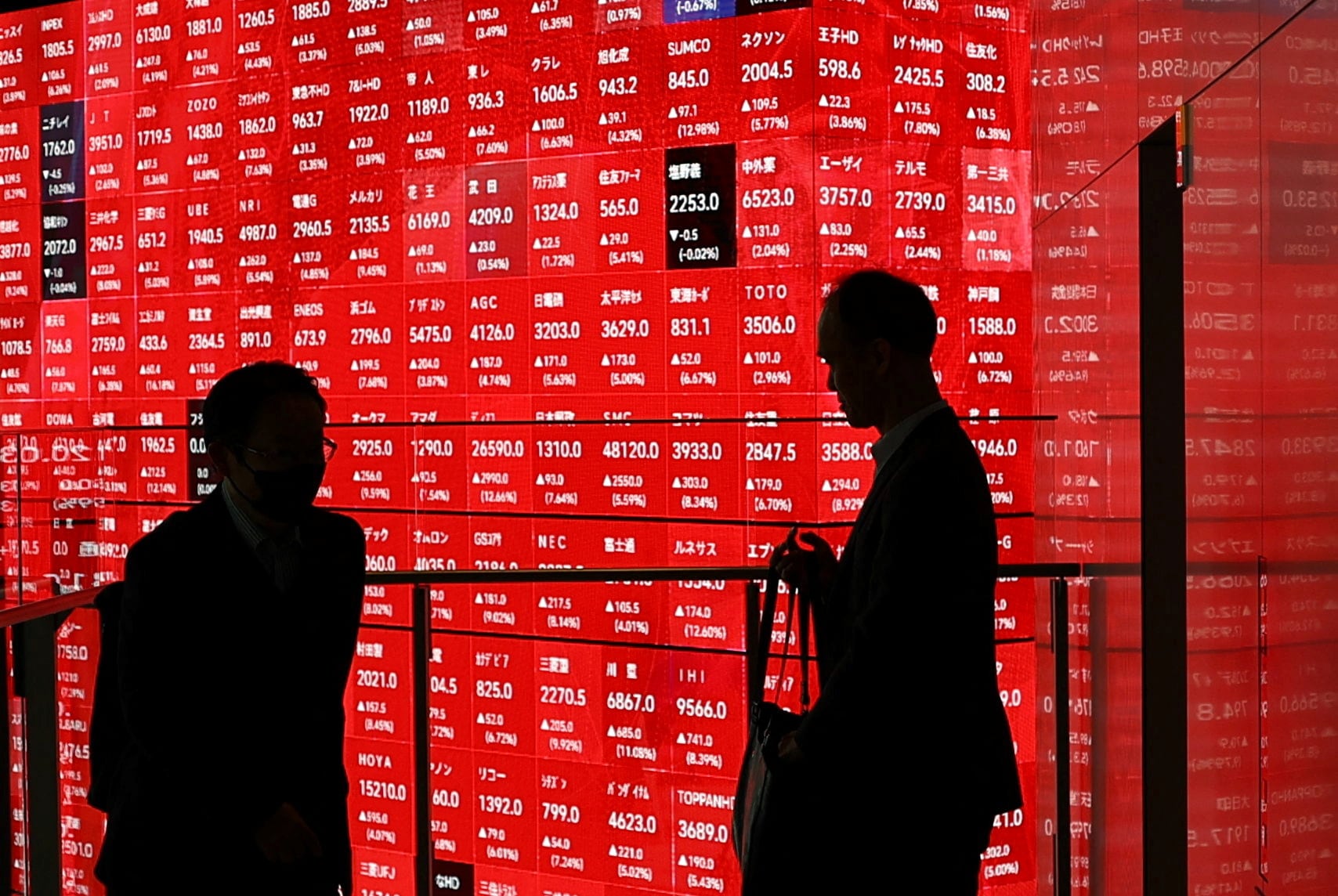
Financial markets reacted positively to the news. Stocks rallied in Japan and Taiwan, while Bitcoin surged to $103,909, its highest since January. US crude climbed to $60.25 per barrel, adding to Thursday’s 3.2% rise. The US dollar index also strengthened to 100.86, its highest in a month, while the British pound dipped slightly to $1.3213.
Despite the optimism, the deal remains light on details. Trade experts and business groups are still working to understand its scope, particularly in agriculture and pharmaceuticals. While the UK insists that food standards will not be compromised. Michael Pearce, deputy chief economist at Oxford Economics, commented, “The devil will be in the details,” and noted no immediate change to economic forecasts.
Key Sectors Await Clarification on “Preferential Treatment”
One unresolved issue involves the pharmaceutical sector. Trump has repeatedly pushed to tax pharmaceutical imports to encourage domestic production of critical medicines. The UK claims US officials have agreed to grant British firms “preferential treatment,” but specifics remain unclear.
Ewan Townsend, a legal advisor to healthcare companies, said the industry was “left waiting to see exactly what this preferential treatment will mean.” Meanwhile, the US Meat Export Federation said it was still seeking clarity on how the new beef provisions would be implemented.
The deal follows years of US-UK trade discussions that began during Trump’s first term, but progress has often been stalled by disagreements over agriculture and healthcare.