Stay connected with BizTech Community—follow us on Instagram and Facebook for the latest news and reviews delivered straight to you.
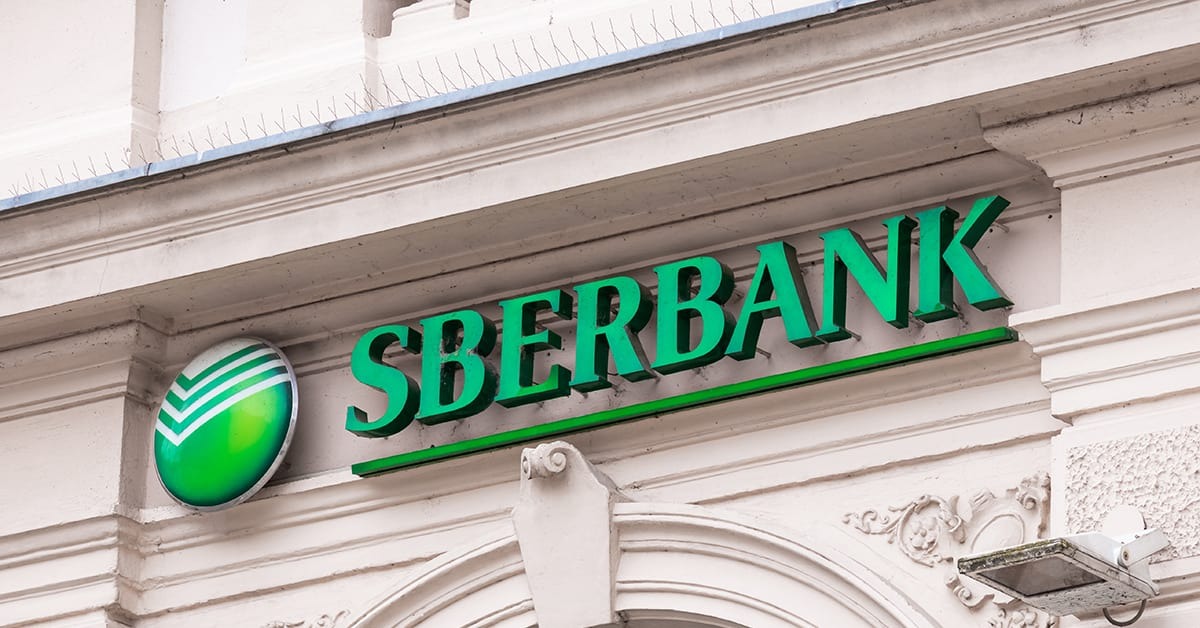
German Gref, the influential head of Sberbank, has warned that Russia’s economy has reached a stage of “technical stagnation,” cautioning that unless the central bank slashes interest rates sharply, the country could slip into recession as early as next year.
Speaking at the Eastern Economic Forum in Vladivostok, Gref said that recent GDP figures from July and August showed “quite clear symptoms that we are approaching zero,” following second-quarter data that already signaled a loss of momentum.
Weak Growth After War-Fueled Expansion
Russia’s GDP grew 1.8% in the second quarter, up slightly from 1.4% in Q1, but far below the pace recorded in 2024 when wartime spending fueled growth above 4%. The International Monetary Fund (IMF) has downgraded Russia’s 2025 growth forecast to just 0.9%, compared to 4.3% last year, marking the steepest cut among major economies.
Economists say Russia’s “war economy” has peaked. Defense spending delivered a short-term boost but has drained resources from consumer spending and private investment. Meanwhile, international sanctions and Ukrainian drone and missile strikes on oil refineries and defense-linked facilities are compounding economic pressure.
“The economy’s slowdown follows repeated warnings from high-level officials,” Gref said, noting that the effects of sanctions are increasingly visible.
The Interest Rate Dilemma
The Central Bank of Russia sharply raised interest rates to 21% in October to tame inflation, which has been fueled by soaring government spending and the costs of the war in Ukraine. Since then, the bank has cut rates twice, bringing the key rate down to 18%.
Gref argued that this is still far too high to support recovery:
“According to our estimates, which we are using internally for the end of the year, the rate will be around 14%. Is this enough for the economy to start to revive? In our opinion, not enough, and at current inflation levels, the rate at which we can hope to revitalise the economy is 12% or lower.”
He warned that lending across all sectors of the economy has slowed to a crawl, squeezing businesses and households alike.
Alexander Shokhin, head of the Russian Union of Industrialists and Entrepreneurs, echoed this concern, suggesting the key rate should be lowered to 16% to restart lending activity.
Read also: Malaysia’s Economy Records 5% Growth in Q4 2024
Costs of War and Sanctions Bite
Russia’s war in Ukraine has reshaped its economy, while defense spending has surged to record highs, lifting industrial production in the arms sector, civilian industries are struggling.
- Private consumption is shrinking as high borrowing costs choke household spending.
- Civilian investment has fallen sharply, as firms face difficulties accessing international capital markets and importing advanced technology.
- Exports are under pressure due to sanctions and infrastructure attacks, while imports have become more expensive due to trade rerouting.
Ukrainian strikes on oil refineries have particularly hit a key revenue source for Moscow. Analysts warn that further attacks on energy and logistics facilities could weaken state revenues just as military spending climbs.
Forum in Vladivostok: Showcasing Resilience Amid Strains
The warnings came during the 10th Eastern Economic Forum, hosted in Vladivostok from 3–6 September, with representatives from 70 countries attending. The Kremlin has used the forum to highlight Russia’s “pivot to Asia” amid Western sanctions, promoting trade and investment ties with China, India, and Southeast Asia.
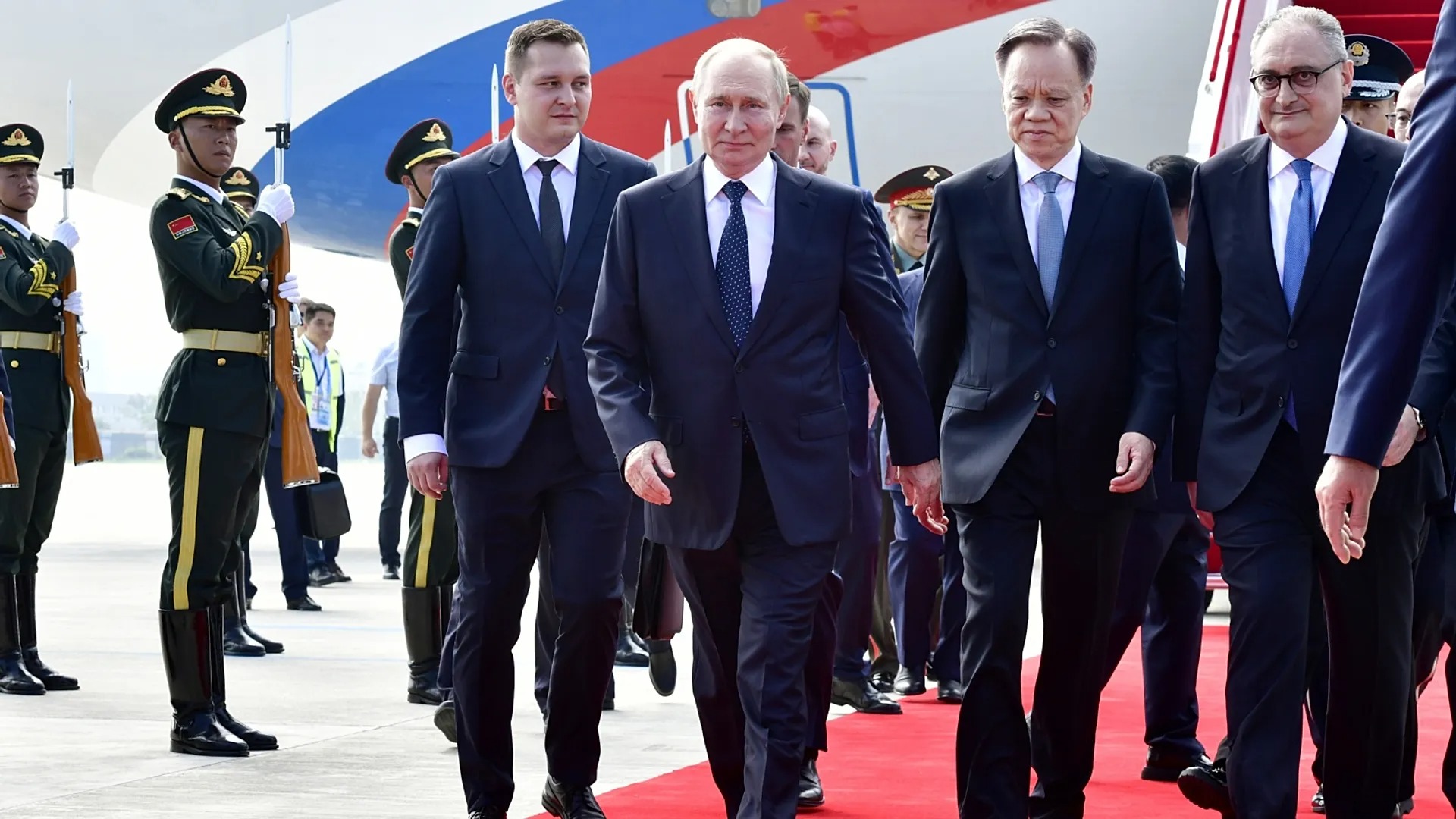
President Vladimir Putin, who arrived from China to attend the event, has sought to present Russia as economically resilient. But the frank assessments from figures like Gref reveal growing unease among top business leaders.
Political and Economic Risks Ahead
The downturn highlights the limits of Moscow’s war-fueled expansion. Russia’s GDP, expected to hover near zero in late 2025, may enter outright recession in 2026 without significant monetary easing.
The IMF downgrade and domestic warnings suggest Russia could face one of the weakest growth outlooks among major economies.
Some analysts also note the political risks: continued stagnation could strain public finances, deepen inequality, and erode domestic support, especially if sanctions tighten or the war drags on.