Stay connected with BizTech Community—follow us on Instagram and Facebook for the latest news and reviews delivered straight to you.
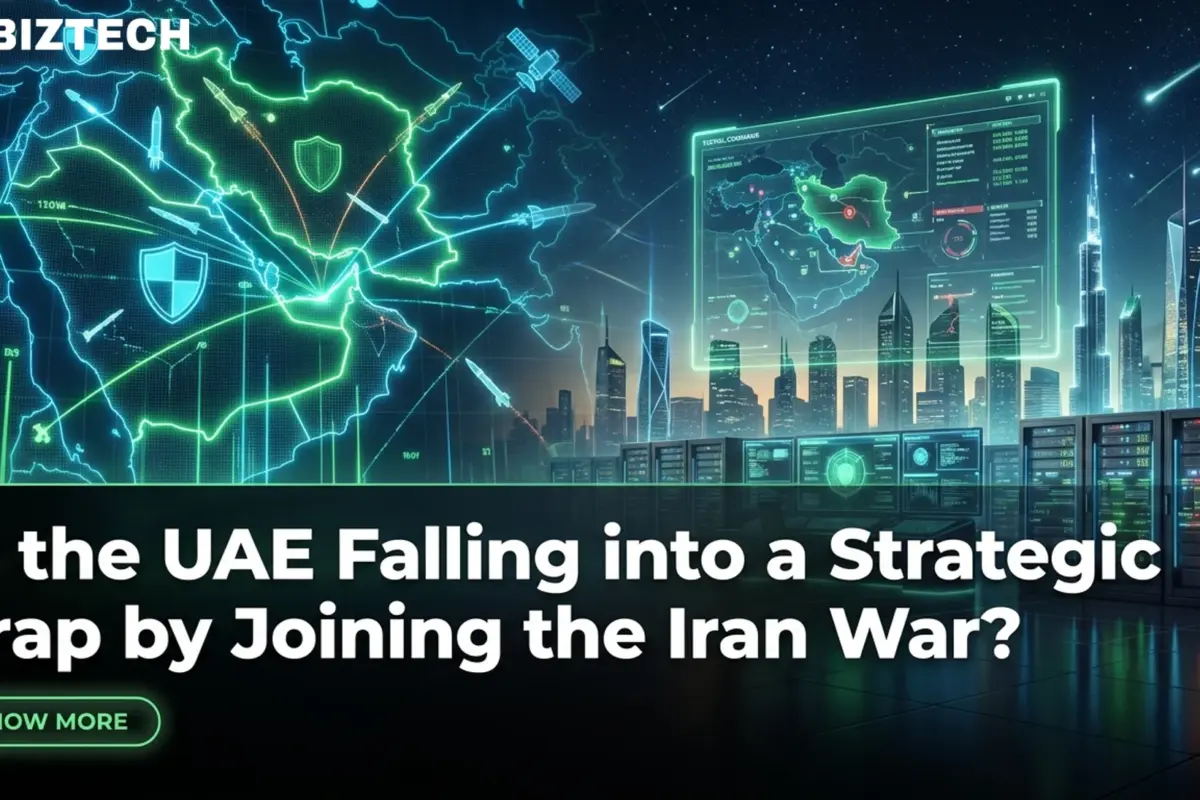
As tensions rise over a possible escalation involving Iran, questions are emerging about whether the United Arab Emirates risks overexposure by taking on a more active security role in the Gulf — particularly in the strategically vital Strait of Hormuz.
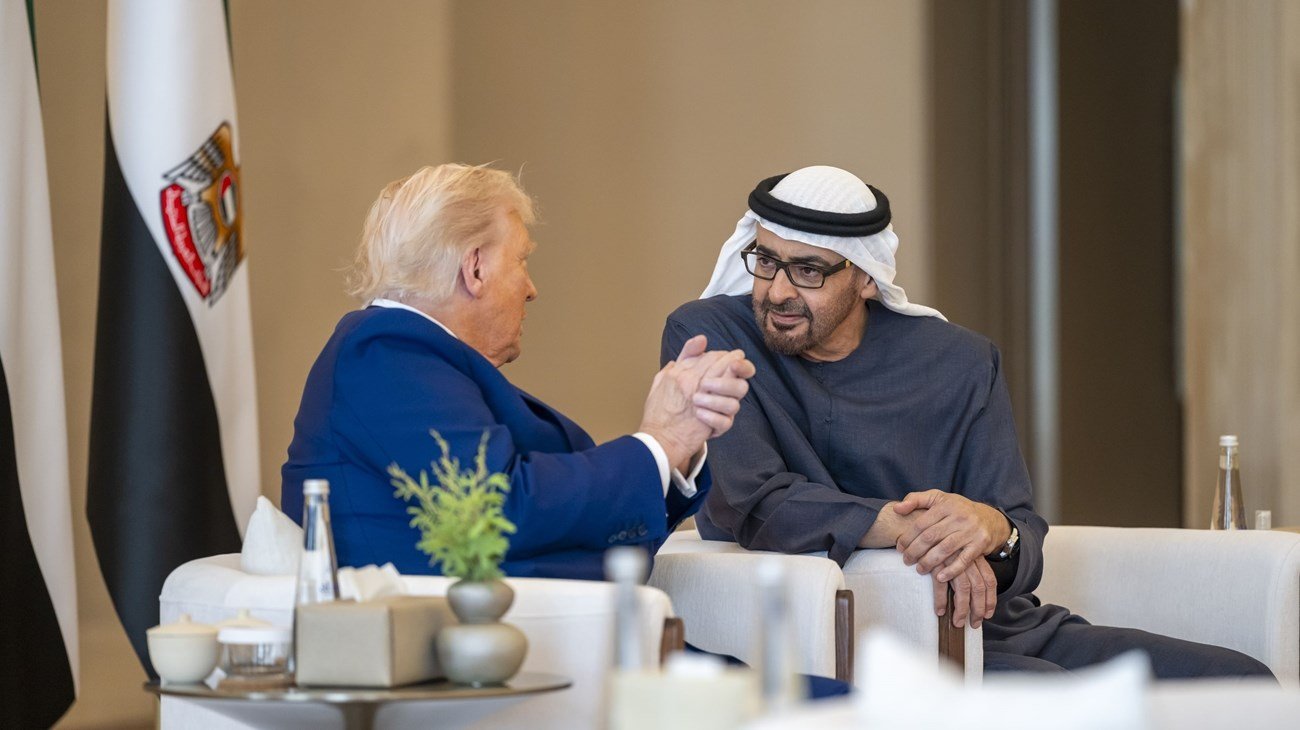
While there is no confirmed shift towards direct combat involvement, the debate reflects broader concerns among analysts about the costs and risks for regional actors if the conflict widens.
Immediate Retaliation Risks
Iran has repeatedly signalled that any state directly participating in military operations against it could be treated as a combatant. For the UAE, this raises the possibility of rapid retaliation.
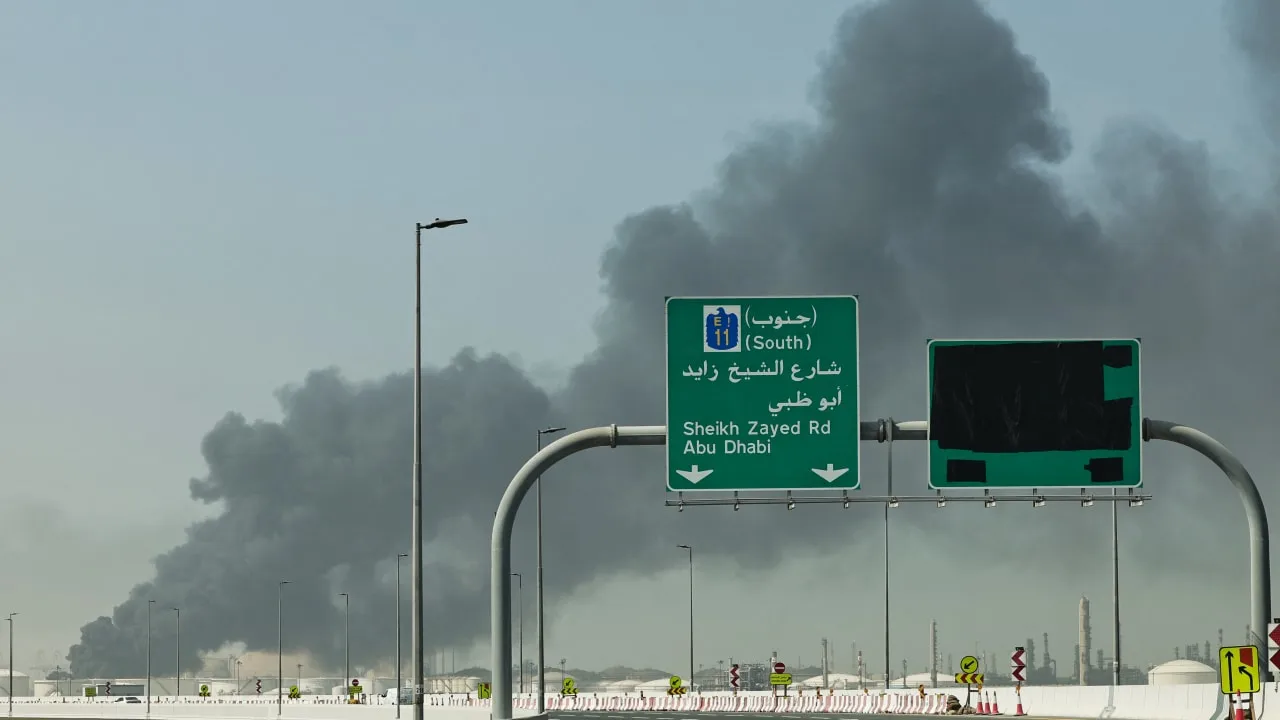
Military analysts point to Iran’s arsenal of ballistic missiles, drones and naval capabilities, which could reach Emirati territory within a short timeframe. Potential targets in such a scenario could include energy infrastructure, ports and financial systems.
Key logistics hubs such as Jebel Ali Port — one of the region’s busiest — are often cited as particularly sensitive assets due to their role in global trade.
Geography as a Strategic Constraint
Unlike external powers, the UAE’s geographic proximity to Iran significantly shapes its risk profile.
Major population centres and industrial facilities lie within range of Iranian systems, while critical infrastructure — including desalination plants and energy installations — is inherently difficult to shield completely from sustained attacks.
The Strait of Hormuz itself remains a focal point. Any disruption to this narrow passage, through which a substantial share of global oil flows, would have immediate consequences not only for regional economies but also for international markets.
Economic Exposure
The UAE’s economic model is built on stability, connectivity and investor confidence. Escalation could undermine each of these pillars.
Heightened security risks may lead to increased insurance premiums for shipping, reduced air travel demand and delays in investment decisions. Tourism — a major contributor to the economy — is particularly sensitive to perceptions of instability.
Even limited disruption could ripple through trade, finance and logistics sectors, affecting the country’s position as a regional hub.
Strategic Calculations
From a policy perspective, the UAE has historically sought to balance security partnerships with economic pragmatism. While it maintains close ties with Western allies, it has also pursued diplomatic engagement across the region, including with Iran.
Analysts suggest that any move towards deeper military involvement would represent a significant shift, carrying both strategic and political implications.
There is also uncertainty about the duration and scope of external involvement. If major powers were to scale back their presence, regional states could find themselves managing the consequences of escalation with limited external support.
A Delicate Balance
The central question is not simply whether participation in a security effort offers short-term gains, but whether it exposes the UAE to longer-term vulnerabilities.
For now, the situation remains fluid. But the risks underscore a broader reality: in a tightly interconnected region, even limited involvement in a conflict can carry far-reaching consequences — particularly for states whose strength lies in stability rather than confrontation.
As tensions evolve, the UAE’s approach is likely to remain closely watched, both for what it signals about regional dynamics and for how it balances security imperatives with economic resilience.
Read Also: Revived US-China Trade Tensions Rattle Global Markets Amid Tariff Escalations