Stay connected with BizTech Community—follow us on Instagram and Facebook for the latest news and reviews delivered straight to you.
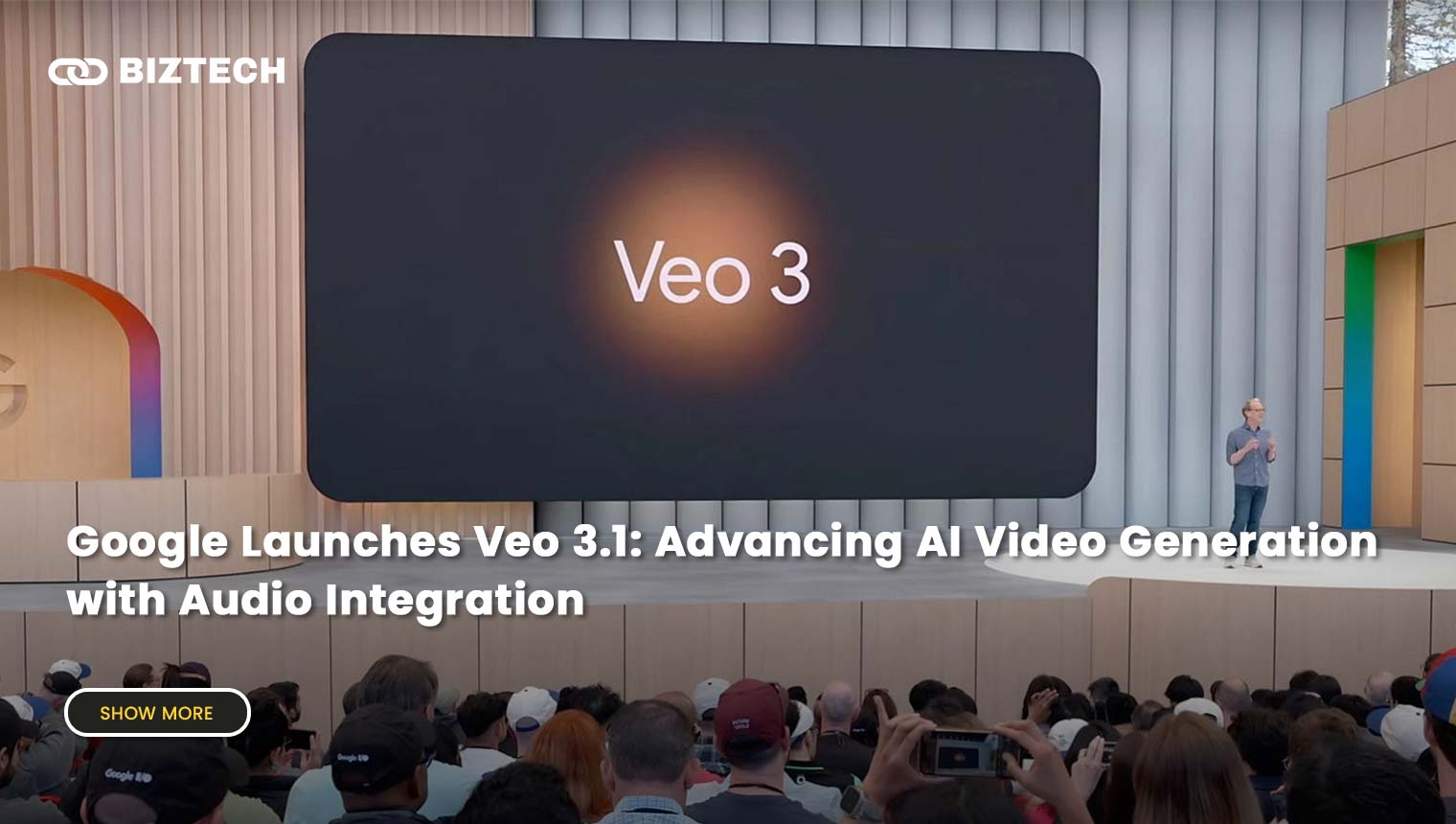
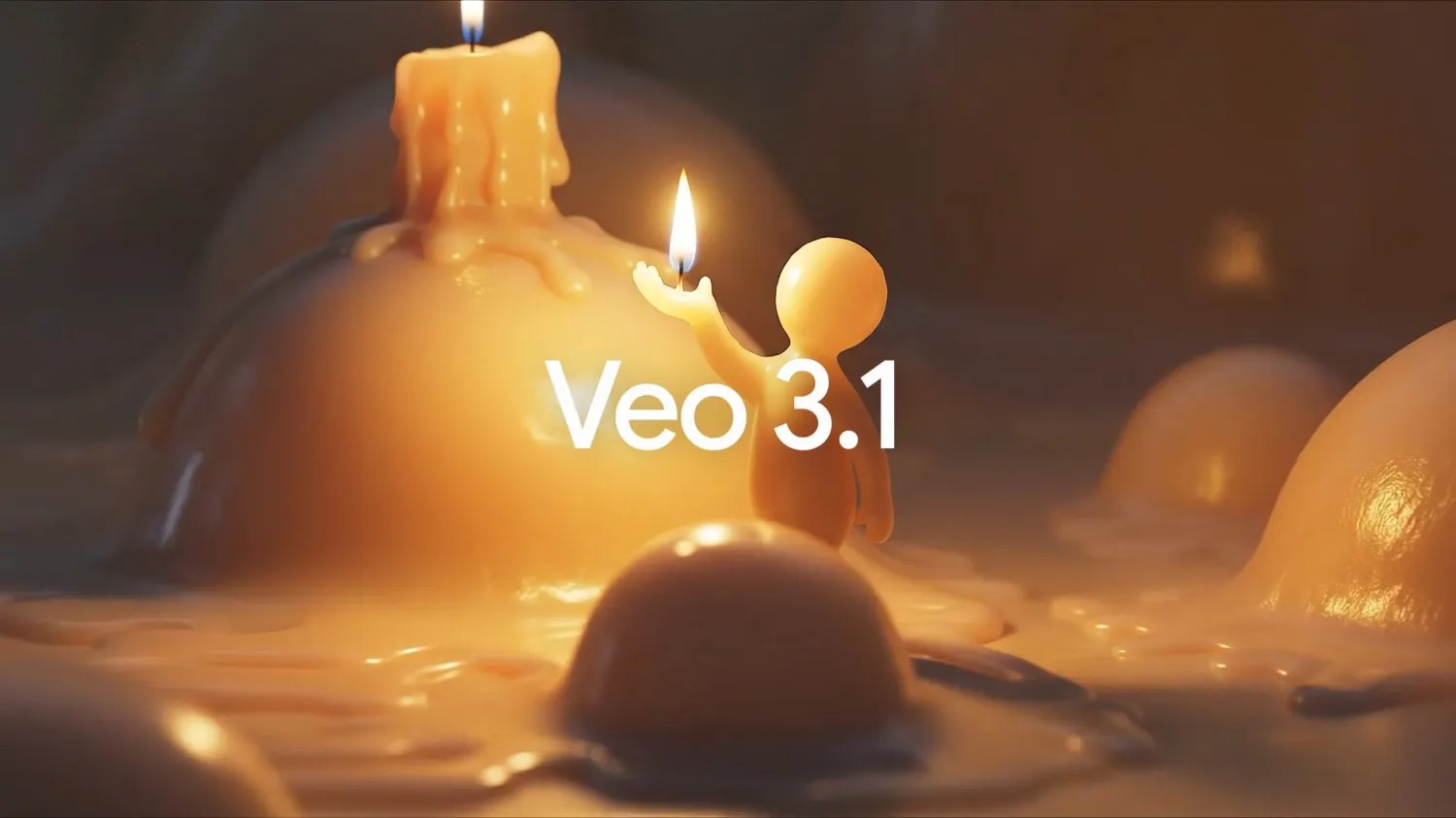
Google has introduced Veo 3.1, an upgraded AI video generation model that incorporates simultaneous audio synthesis and improved prompt adherence, marking a significant evolution in generative media tools. Unveiled on 15 October as part of updates to its Flow, Gemini and Vertex AI platforms, the new version enables creators to produce high-fidelity videos from text or image prompts, complete with synchronised soundtracks and granular editing controls. This development reflects the accelerating pace of multimodal AI, where systems now seamlessly blend visual, auditory and narrative elements to rival traditional production workflows.
The announcement, made during a developer keynote streamed from Google’s Mountain View headquarters, positions Veo 3.1 as a cornerstone of the company’s generative AI strategy. Demis Hassabis, CEO of Google DeepMind, described it as “a step towards democratising filmmaking,” with capabilities that extend beyond static clips to dynamic scenes up to two minutes long at 1080p resolution. Early access is available via Vertex AI for enterprise users, with broader rollout planned for Gemini Advanced subscribers by early 2026. Pricing starts at $0.05 per second of generated video, making it accessible for indie filmmakers and marketers alike.
Technical Enhancements and Creative Potential
Veo 3.1 builds on its predecessor by integrating audio generation directly into the diffusion process, allowing for realistic ambient sounds, dialogue and music tailored to the visual content. Developers demonstrated its prowess in a live session, transforming a simple prompt—”a bustling Tokyo street at dusk with cherry blossoms falling”—into a 90-second clip featuring layered audio: distant traffic hums, pedestrian chatter in Japanese and a subtle orchestral score. The model’s adherence to prompts has improved by 25 per cent, per internal benchmarks, reducing inconsistencies in style, motion and narrative flow.
Read also this: OpenAI Launches GPT-5: Faster, Smarter, and ‘Like Talking to a PhD’
Editing features represent another leap forward. Users can now apply “granular controls” to modify specific elements—such as altering a character’s expression mid-scene or extending a sequence—without regenerating the entire video. This is powered by a hybrid architecture combining diffusion models with transformer-based fine-tuning, trained on licensed datasets exceeding 10 million hours of footage.
The tool’s integration with Flow—a collaborative platform for AI-assisted storytelling—enables seamless workflows, from script ideation to final export. Beta testers in creative industries, including advertising agencies and film studios, reported up to 40 per cent faster production times, with applications ranging from promotional videos to educational animations.
Industry Implications and Ethical Considerations
This launch intensifies competition in the generative video space, challenging rivals like OpenAI’s Sora and Runway’s Gen-3. Google’s emphasis on audio integration addresses a key limitation in prior models, potentially accelerating adoption in podcasting, e-learning and virtual reality content creation. Analysts at McKinsey forecast the AI media market to reach $100 billion by 2030, driven by such tools that lower barriers for non-professionals.
However, concerns persist around intellectual property and deepfake risks. The model is trained exclusively on public domain and consented materials, but creators’ groups have called for greater transparency in data sourcing. Regulatory bodies, including the EU’s AI Act enforcers, are monitoring developments closely, with Veo 3.1 classified as “high-risk” for certain uses.
As October’s AI innovations proliferate—from Apple’s M5 chip debut to Anthropic’s enterprise expansions—Veo 3.1 exemplifies the shift towards holistic creative AI. For Google, it reinforces its ecosystem dominance, blending consumer accessibility with enterprise-grade power. As adoption grows, the focus will turn to balancing innovation with safeguards, ensuring these tools amplify human creativity rather than supplant it.