Stay connected with BizTech Community—follow us on Instagram and Facebook for the latest news and reviews delivered straight to you.
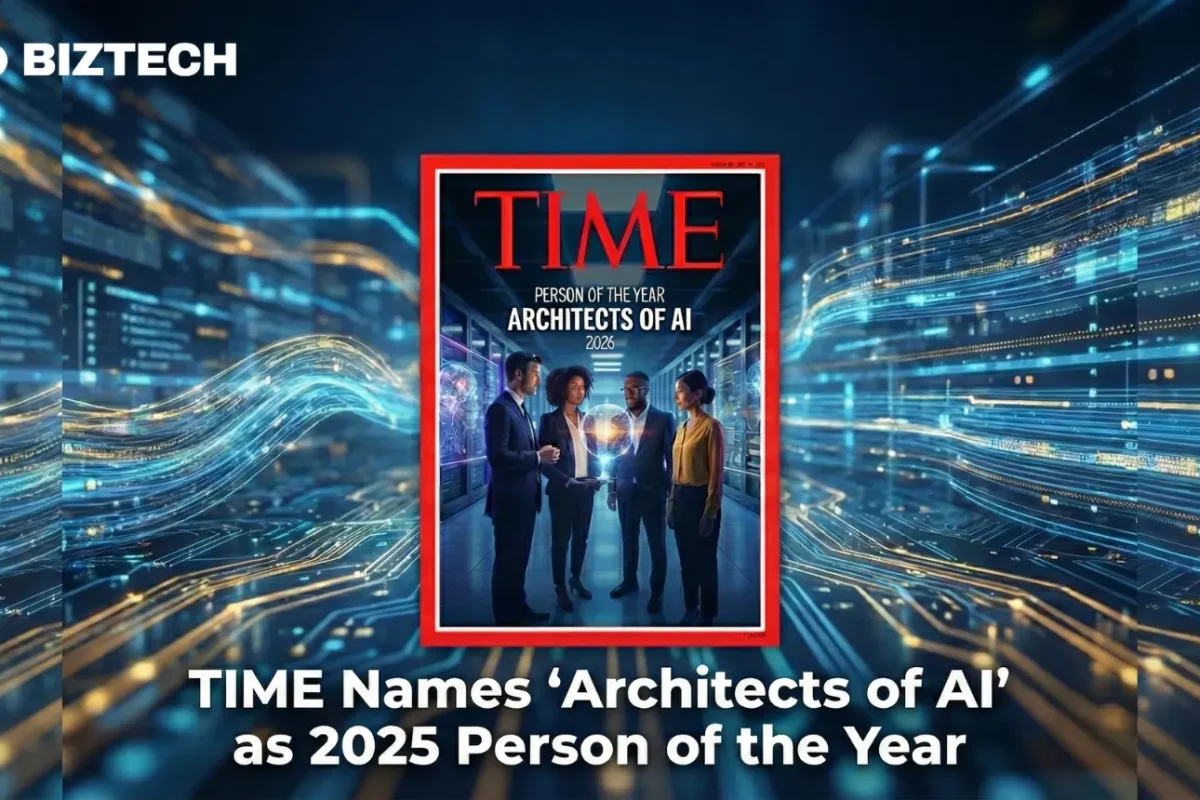
TIME magazine has selected a collective group dubbed the “Architects of AI” as its 2025 Person of the Year, recognising the profound influence of artificial intelligence leaders on global society, economy and innovation. The designation, revealed on Wednesday, honours key figures including Nvidia chief executive Jensen Huang, OpenAI’s Sam Altman and other executives whose work has propelled AI into mainstream adoption, reaching nearly 800 million users worldwide.
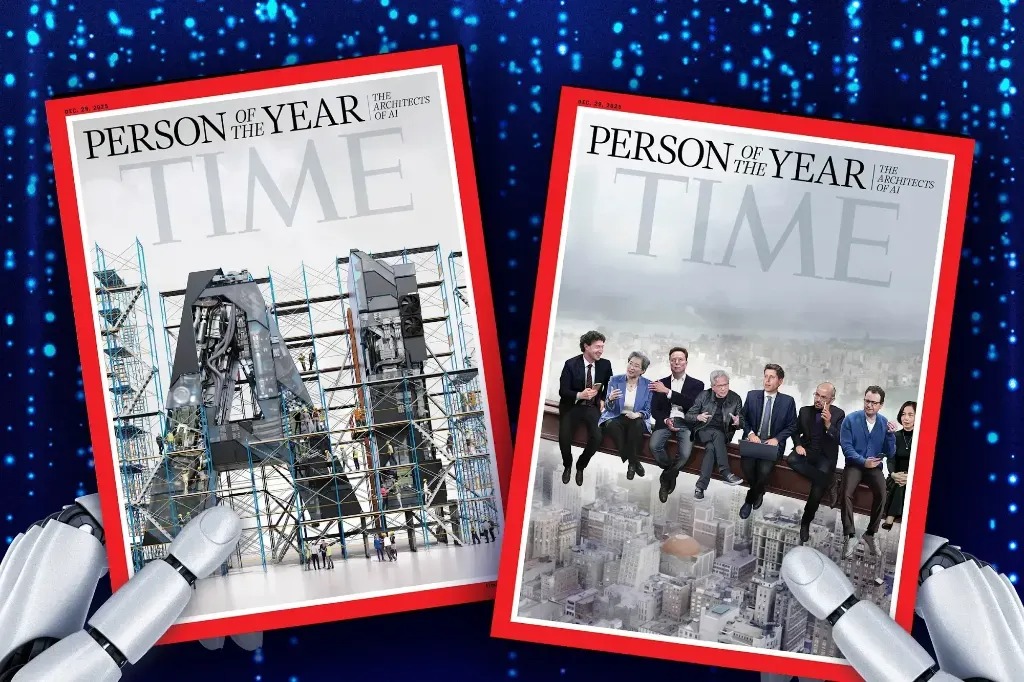
The cover feature portrays the architects in a digital rendition evoking the iconic “Lunch atop a Skyscraper” photograph, symbolising the high-stakes construction of a transformative technology. TIME editor-in-chief Sam Jacobs described the choice as reflecting AI’s role as “the defining force of this era,” driving breakthroughs in industries from healthcare to entertainment while sparking debates on ethics, jobs and regulation.
Notable honorees include Huang, whose company’s GPUs underpin much of the AI boom; Altman, architect of ChatGPT’s explosive growth; and leaders from Anthropic, Google DeepMind and xAI. The magazine highlighted collaborative efforts, such as partnerships funding new ventures blending AI with robotics and cloud computing.
Recognition Amid Rapid Advances
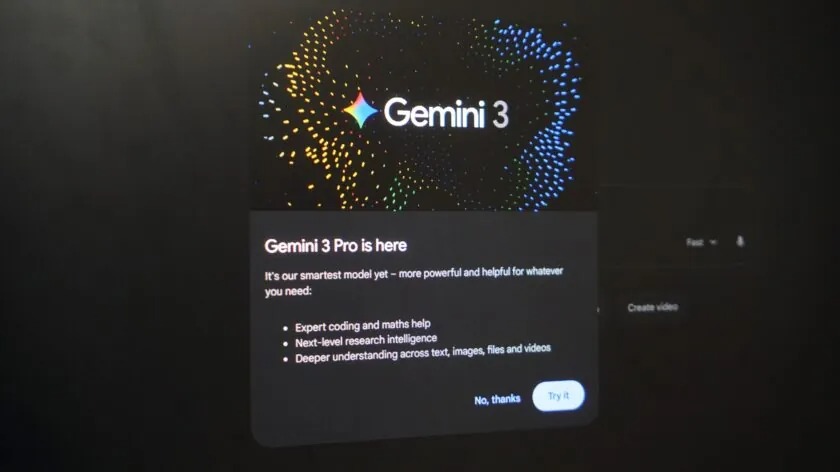
The accolade comes at a pivotal moment for AI. Recent months have seen launches like Google’s Gemini 3 Pro and Mistral’s open-source models, alongside surging infrastructure investments exceeding $200 billion annually. TIME noted AI’s dual impact: accelerating scientific discovery—such as protein folding and drug design—while raising concerns over misinformation and workforce disruption.
The selection breaks from tradition, which often names individuals, but echoes past group honours like “You” in 2006 for user-generated content. Previous tech-focused winners include Elon Musk in 2021 and Mark Zuckerberg in 2010.
Industry reactions were positive, with Huang calling it “a milestone for the field.” Critics, however, argued it overlooks risks, pointing to ongoing lawsuits over training data and calls for stricter oversight.
Broader Cultural and Economic Resonance
AI’s permeation of daily life—from virtual assistants to generative tools—has reshaped creative and professional landscapes. The magazine cited estimates that AI could add $15 trillion to global GDP by 2030, but warned of unequal distribution and ethical challenges.
Read also this: Cisco Acquires EzDubs to Supercharge Real-Time AI Translation
As 2025 concludes with regulatory developments, including the EU’s AI Act enforcement and US debates on federal frameworks, TIME’s choice underscores AI’s inescapable presence. The full issue, available on newsstands from 19 December, explores the architects’ visions for a technology poised to redefine humanity’s future.