Stay connected with BizTech Community—follow us on Instagram and Facebook for the latest news and reviews delivered straight to you.
The headline figure is, by any measure, remarkable. Global trade grew by $2.5 trillion in 2025, reaching a record $35 trillion and expanding at roughly 7.5 per cent — a pace that would have seemed implausible during the tariff-laden anxieties of just two years prior.
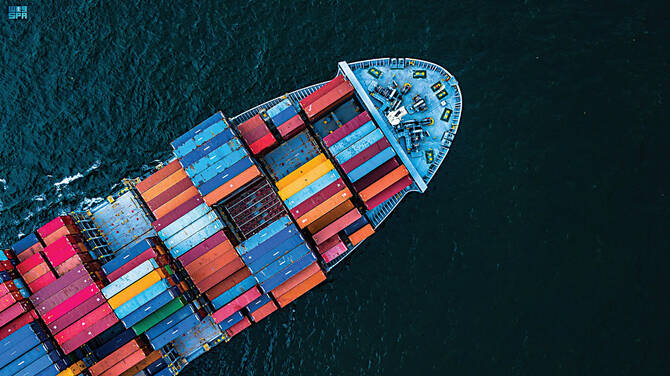
Goods trade drove the bulk of the expansion, while services added another $700 billion to the total. South-South trade — commerce between developing economies — grew even faster, at around 9 per cent, signalling a meaningful shift in the geography of global commerce away from its traditional North-Atlantic axis.
These are the findings of UNCTAD’s Global Trade Update, and they deserve to be read carefully — because the agency that produced them is not celebrating. It is issuing a warning.
Strong Numbers, Fragile Foundations
The distinction between a number and its context is one that markets have an unfortunate tendency to collapse. Global trade reaching $35 trillion is a fact. But UNCTAD assesses that the conditions sustaining that figure are eroding in ways that the headline cannot capture.
Global trade growth is expected to slow later in 2026, weighed down by persistent trade tensions and rising trade costs. The ongoing conflict in the Middle East and the shipping disruptions in the Strait of Hormuz are expected to intensify inflationary pressures on an already strained global economy facing geopolitical tensions, policy shifts and limited fiscal space.
The Strait of Hormuz, through which approximately a fifth of the world’s oil and liquefied natural gas ordinarily passes, has become the most consequential chokepoint in the global economy. Its disruption does not merely raise energy prices — it transmits inflationary shocks across supply chains that were already operating under elevated cost pressures, at a moment when the fiscal space available to governments for stimulus or relief has been substantially depleted by years of pandemic and post-pandemic spending.
Against this backdrop, global growth is expected to slow to 2.7 per cent in 2026, below 2025 levels and the pre-pandemic average, as subdued investment and structural headwinds weigh on momentum despite easing inflation and monetary loosening. That figure sits below the 3.2 per cent pre-pandemic average — itself not a period of particular dynamism — and UNCTAD warns that without stronger policy coordination, today’s pressures risk locking the world into a durably lower-growth path.
The Rise of the Connector Economies
Perhaps the most analytically interesting development in this week’s report is the emergence of what UNCTAD terms “connector economies” — a category of mid-sized nations that have positioned themselves as indispensable intermediaries in a fragmenting global system.
Amid ongoing United States–China trade decoupling, new “connector economies” are emerging, helping sustain global trade flows despite rising fragmentation. For some developing countries, this shift is creating new opportunities to attract investment and integrate into global value chains. Vietnam, Indonesia, Cambodia, and Egypt are the examples most prominently cited — countries that have, in varying degrees, cultivated the infrastructure, regulatory environment, and geographical positioning to serve as assembly points and logistics hubs for a world that can no longer move goods freely between its two largest economies.
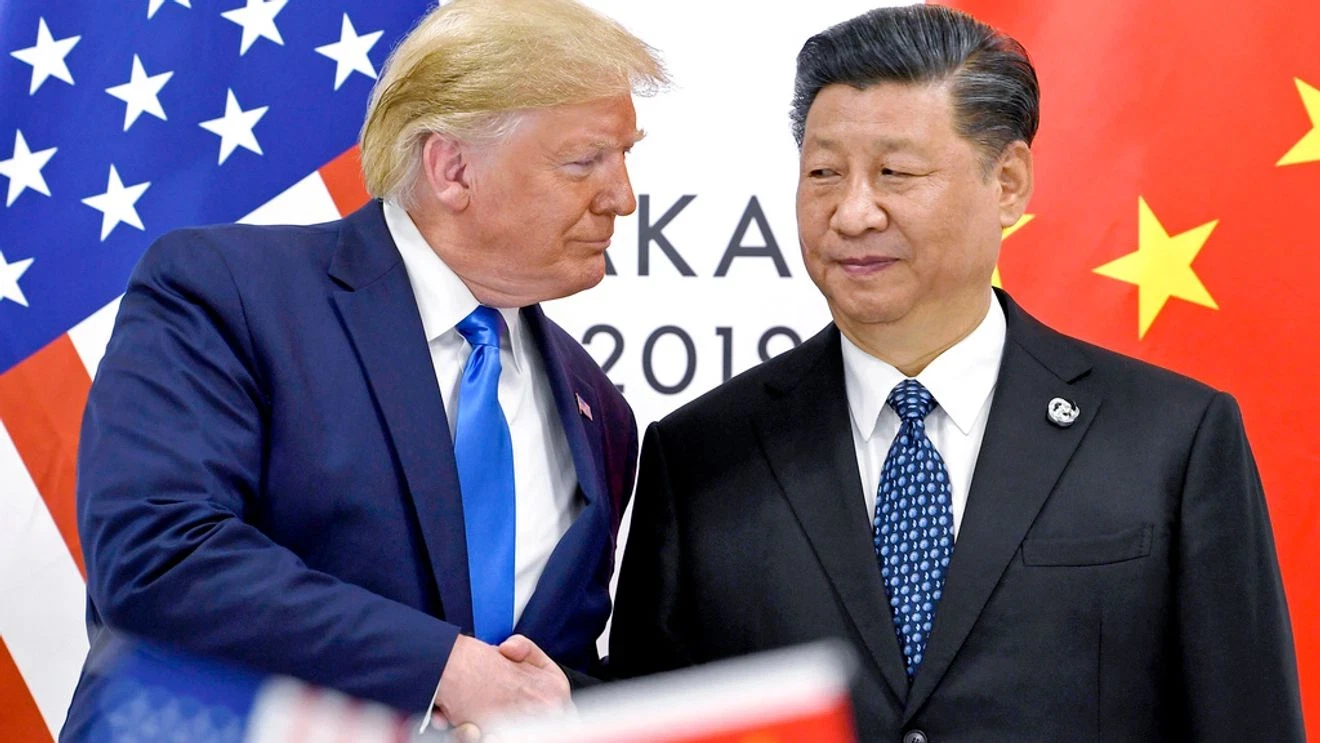
This is genuinely consequential, and the opportunity it presents to emerging economies across Southeast Asia and beyond should not be understated. The reconfiguration of global supply chains, however disruptive, is generating real investment flows into countries that would previously have struggled to attract them. For Malaysia, Vietnam, and their neighbours, the question is not whether the opportunity exists but whether the institutional capacity to capitalise on it can be built quickly enough to outpace the costs of rising trade barriers and energy prices.
What the Record Does Not Tell Us
A $35 trillion global trade figure is, in one sense, a testament to the resilience of commerce — to the extraordinary capacity of producers, shippers, and traders to adapt to disruption, find new routes, and keep goods moving even when the geopolitical environment is actively hostile to open exchange. That resilience is real, and it should not be dismissed.
But it is a resilience under visible strain. The multilateral institutions designed to manage and arbitrate global commerce — the WTO foremost among them — are operating in diminished authority, with dispute-settlement mechanisms paralysed and rule-making capacity limited. The energy shock emanating from the Middle East is not a temporary aberration to be waited out; it is a structural shift in the cost of doing business globally, one that will compound existing inflationary pressures and further squeeze the fiscal capacity of governments that can least afford it.
Read Also: Revived US-China Trade Tensions Rattle Global Markets Amid Tariff Escalations