Stay connected with BizTech Community—follow us on Instagram and Facebook for the latest news and reviews delivered straight to you.
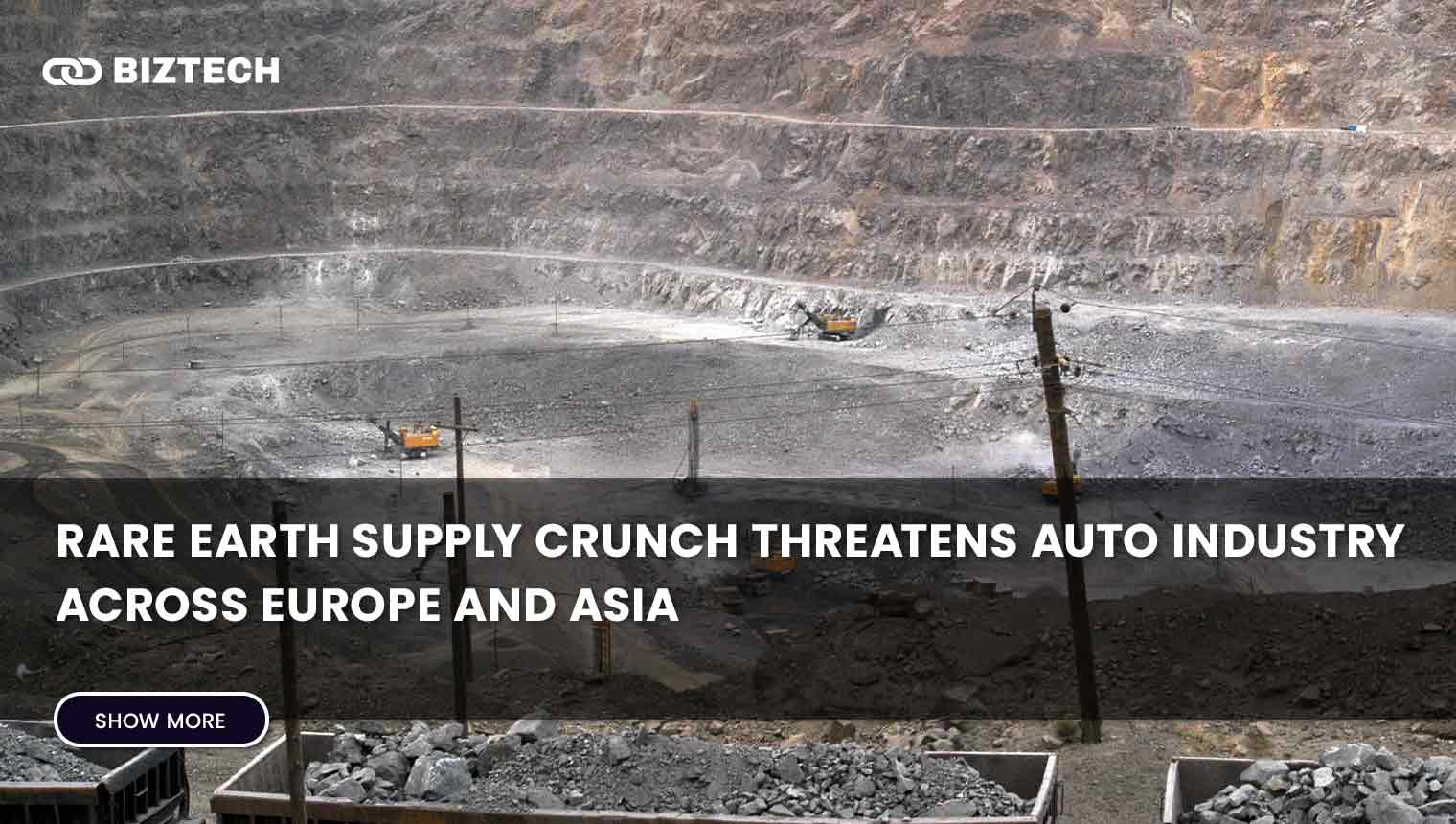
Automakers in Europe and Asia are sounding the alarm over a growing shortage of rare earth materials, with industry groups warning that China’s recent export controls are already forcing shutdowns and threatening further disruptions. The European Association of Automotive Suppliers (CLEPA) confirmed that several supplier plants have halted production, citing a lack of critical rare earth components used in both combustion and electric vehicle technologies.
Since early April, China’s Ministry of Commerce has imposed restrictions on the export of key rare earth elements and magnets used in the automotive, defense, and energy sectors. The move is widely seen as retaliation for U.S. President Donald Trump’s latest round of tariff increases targeting Chinese goods.
CLEPA said that while hundreds of export license applications have been submitted to Chinese authorities, only around 25% have been approved. “China’s export restrictions are already shutting down production in Europe’s supplier sector,” said Benjamin Krieger, CLEPA Secretary General.
German Carmakers Brace for Escalating Disruption
Germany’s powerful car industry is now at risk. The German Association of the Automotive Industry (VDA) warned this week that Beijing’s export curbs could soon grind production to a halt. VDA President Hildegard Müller described the situation as a “serious challenge” to supply security. “If the situation does not change quickly, production delays and even production stoppages can no longer be ruled out,” she told CNBC.
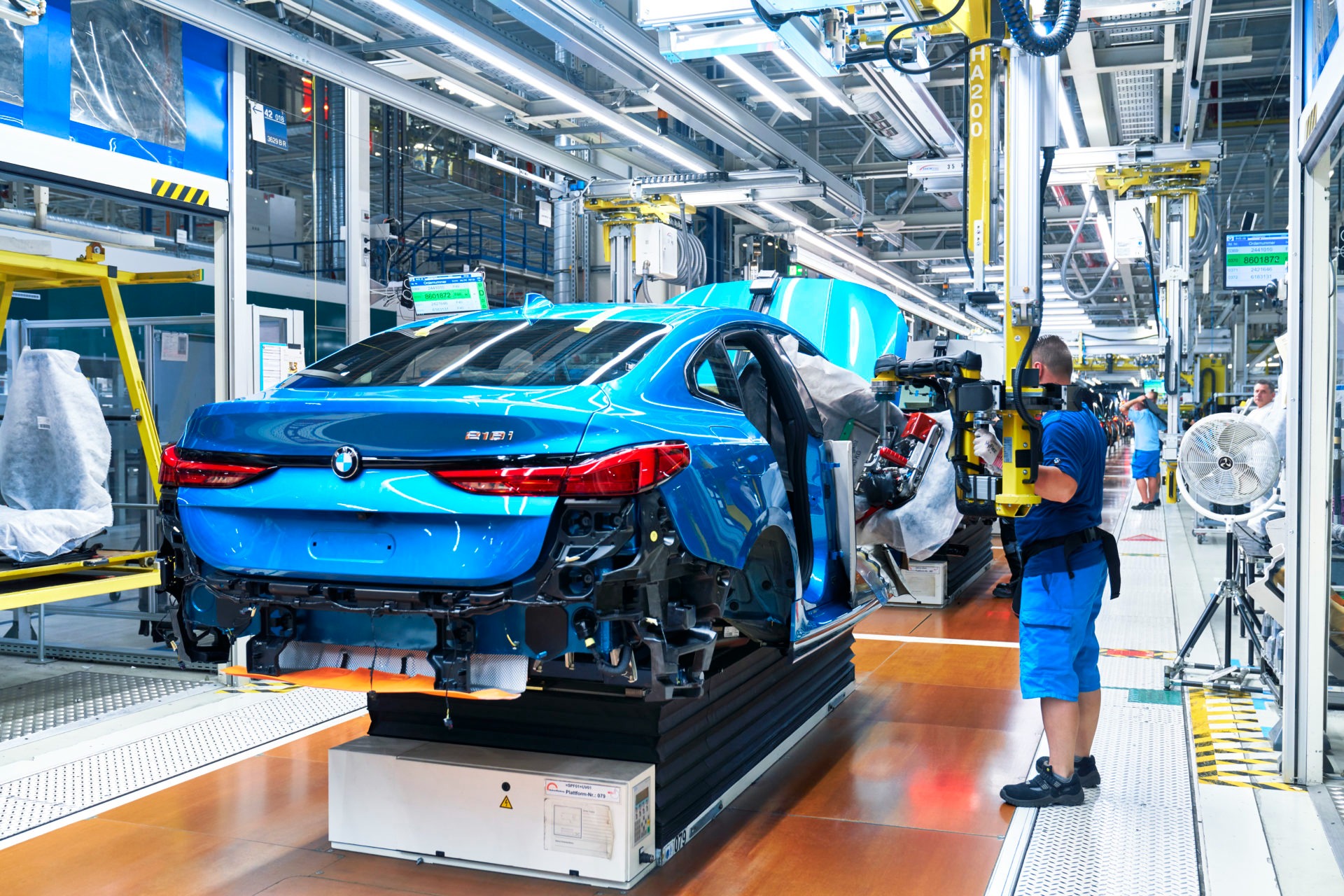
Luxury carmaker BMW reportedly acknowledged disruptions within its supplier network, though it declined to comment directly. Mercedes-Benz and Volkswagen said they had not yet experienced shortages but were closely monitoring the situation. A Mercedes-Benz spokesperson said the company is working to reduce its reliance on heavy rare earth metals such as dysprosium, while Volkswagen emphasized ongoing efforts among its suppliers to secure the required export licenses.
Japanese Automakers Also Feel the Pressure
The ripple effects are not limited to Europe. Japan’s Nissan acknowledged it is working with the government and the Japan Automobile Manufacturers Association to mitigate the impact of the export controls. “It is true that it will have some impact on the automotive industry,” Nissan CEO Ivan Espinosa said on Wednesday. He added that the company is exploring alternative supply chain strategies and materials.
Meanwhile, Suzuki Motor has already suspended production of its Swift model due to the shortage, according to a Reuters report citing anonymous sources. The company declined to comment when contacted.
Strategic Minerals Now a Geopolitical Flashpoint
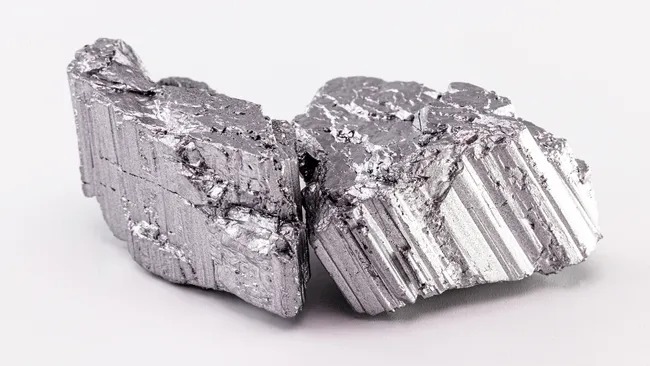
Rare earth minerals are essential to the global clean energy transition, powering everything from electric vehicle motors to wind turbines. China currently dominates the global supply chain, accounting for around 60% of total production. This concentration of supply has long been flagged by Western governments as a strategic vulnerability.
The export curbs come at a moment of heightened geopolitical tension, and have reignited calls from Europe’s auto industry for policymakers to secure alternative sources of rare earth materials. “We urge lawmakers in Germany and the EU to raise this issue emphatically with the Chinese side,” VDA’s Müller said.
As carmakers look to reduce reliance on China and diversify their supply chains, the immediate concern remains: how to keep production moving amid a worsening bottleneck in critical materials.