Stay connected with BizTech Community—follow us on Instagram and Facebook for the latest news and reviews delivered straight to you.
Pump.Fun, the Solana-based memecoin launchpad that has become a big part of the network’s fast-paced, high-risk trading culture, has officially reached a major financial milestone. The platform has made more than $1.08 billion in total protocol income since it started in early 2024, which is about Rp18.2 trillion. The milestone makes Pump.fun the first project in the Solana ecosystem to achieve nine figures in revenue. It even beats well-known DeFi protocols like Jupiter and Raydium in terms of total fees collected.
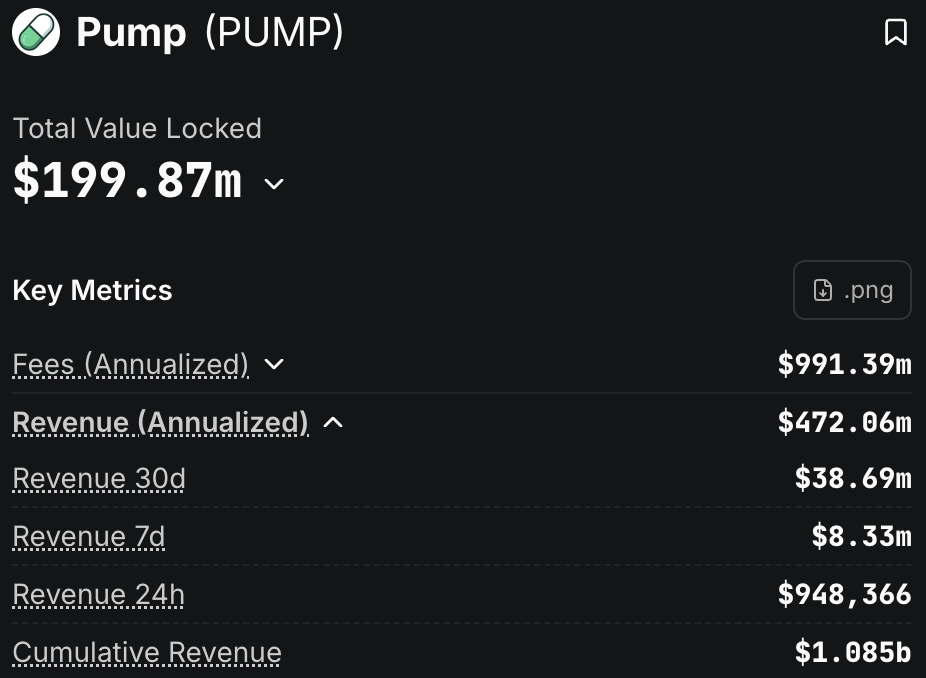
DefiLlama’s data makes the breakdown quite clear:
- Revenue for the whole year 2025 was about $664 million (Rp11.2 trillion).
- Revenue for 2026 until early March is $98.3 million (Rp1.66 trillion).
- Earlier donations in 2024 pushed the total to $1.08 billion.
To put things in perspective, Jupiter, Solana’s top DEX aggregator, has made around $401.3 million in fees over its history. Raydium, the chain’s top AMM, has made about $126.9 million. Pump.fun’s revenue domination comes from its unique role as the main place to create and trade memecoins on Solana. This segment has always had a lot of transactions, even when the rest of the market was down.
How Pump.fun Makes Money and Why It’s So Profitable
The main business idea is simple, yet it works really well. Every time someone buys or sells something on Pump.fun’s bonding-curve launch mechanism, they have to pay a 1% fee. When a new memecoin’s market value hits a particular level (usually about $69,000), liquidity is automatically moved to Raydium. At this time, Pump.fun charges an extra fee for the move. The platform takes about 50% to 60% of all the fees it makes. The rest goes to creators or is burnt.
Because there are so many memecoin launches on Solana, this fee structure has been very profitable. During busy times, Pump.fun sees thousands of new tokens go live every day. Each one makes dozens or hundreds of deals before most of them go away. Even tokens with low survival rates add up to a lot of fees when you multiply them by the thousands of new tokens created every day.
The platform’s mobile-first design, low entry restrictions (anyone can launch a coin for a few dollars in SOL), and gamified bonding-curve advancement have made it a cultural phenomenon on Solana. It’s like a casino, a social experiment, and a high-speed trading terminal all in one.
The PUMP token is supported by an aggressive buyback program
Through a strong repurchase scheme, a lot of Pump.fun’s money goes back into its own coin, PUMP. The platform bought back almost $1.25 million worth of PUMP on March 11, 2026. This was 99.93% of the protocol’s revenue from the day before. Since the program started, Pump.fun has bought back about $323.4 million worth of PUMP tokens from the open market. This has cut the quantity of tokens in circulation by about 28.8% from the original 1 trillion total supply.
Even though there have been a lot of buybacks, PUMP is still trading significantly below its initial coin offering price of $0.004 and far below its all-time high of $0.0088. The current price action is around levels that suggest big unrealised losses for early investors, but the continued buy pressure has kept prices stable and stopped them from falling significantly more during times of market downturn.
The buyback process is simple: fees are received in SOL, changed to USDC or SOL, and then used to buy PUMP on the open market. Tokens that are bought are usually burnt or locked in protocol-controlled treasuries. This creates a deflationary pressure that, in theory, helps long-term holders.
Signs of Growth Across Multiple Chains
Pump.fun is still mostly linked to Solana, which is where it makes most of its money. However, recent activity on-chain and in the domain suggests that the company is discreetly getting ready to expand to other chains. Public domain records demonstrate that subdomains and infrastructure point to Ethereum, Base, BNB Chain (BSC), and even Monad. Pump.fun also recently took the word “Solana” out of its official X profile bio. This little but widely noticed adjustment has led to conjecture about the company’s bigger plans.
The platform has also made a number of product changes that suggest it is ready for many chains:
- Its mobile app now works with tokens that were launched on other Solana launchpads, like Raydium and Meteora.
- It bought Vyper, a cross-chain trading terminal that makes it easy to trade across different blockchains.
There hasn’t been an official announcement about plans to grow, but the improvements to the infrastructure strongly suggest that Pump.fun is getting ready to offer its memecoin on other high-throughput chains.
The competitive landscape and the long-term outlook
It’s amazing that Pump.fun makes so much money on Solana, but it’s not the only one. Jupiter is still the chain’s principal aggregator and routing protocol, while Raydium still handles most of the automated market-making volume. Both platforms make money via trading instead of launching tokens. This means they make money more steadily (although less) than Pump.fun’s boom-and-bust memecoin cycle.
There are also imitation platforms that have come out since the original one was successful. There are now a number other launchpads on Solana and other chains that compete with each other, but none have come close to the size or cultural effect of Pump.fun. The bonding-curve method is still the most important difference. It automatically finds prices and moves liquidity, and this model has been quite viral.
Even with these dangers, Pump.fun has already done something that very few Solana projects have done: it has made more than $1 billion in protocol revenue in about two years. That number alone makes it one of the most successful DeFi protocols in history, no matter what chain it is on.
Conclusion
Pump.fun’s total income of over $1 billion is more than just a milestone; it shows how powerful viral, low-friction memecoin infrastructure can be on a high-throughput chain. The platform has turned making memes into a business with a lot of volume and fees, making money at every point of the speculative lifecycle.
The aggressive PUMP buyback program has cut the amount of tokens in circulation by around 29%, which is a deflationary tailwind even though the token is trading below its ICO price. Early evidence of multi-chain preparation show that the team is thinking beyond Solana’s bounds. This might mean that Pump.fun will be a standard for launching cross-chain memecoins.
Pump.fun is still the clear leader in Solana’s memecoin economy. Whether it can keep that supremacy or grow it to other chains will depend on how much speculation there is, how tolerant regulators are, and how well the team can carry out its plans to connect chains. Most protocols in this industry have trouble making eight figures in revenue, but Pump.fun has already made nine figures. That alone makes it one of the most important things Solana has ever made.
Read also: Pump.fun, Solana’s Meme Coin Platform, Unveils New PumpSwap Trading Hub