
Stay connected with BizTech Community—follow us on Instagram and Facebook for the latest news and reviews delivered straight to you.
Nvidia has projected that the market for its artificial intelligence chips could generate at least $1 trillion in revenue by 2027, as the company pivots towards the rapidly expanding demand for real-time AI processing.
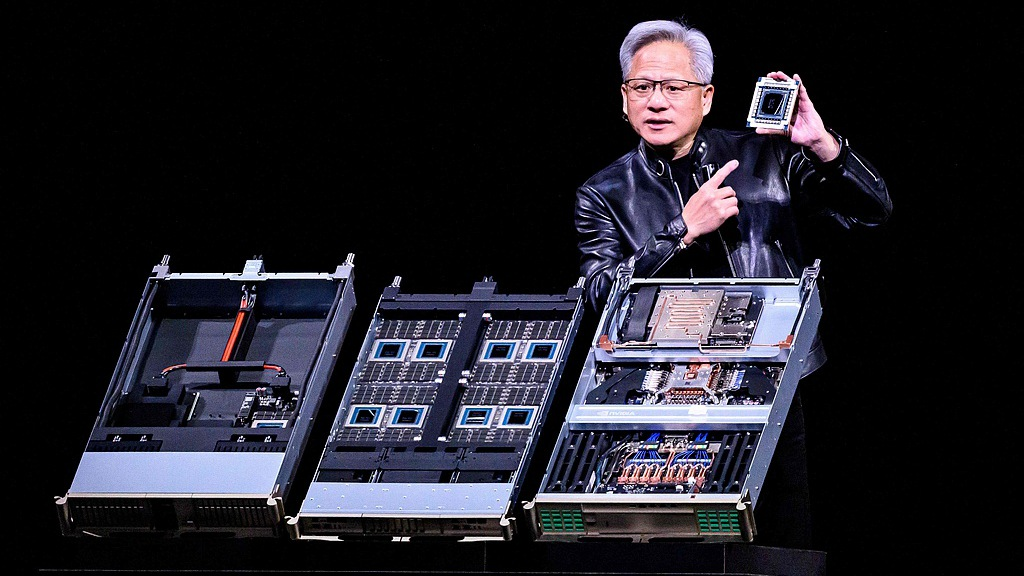
The forecast was delivered by chief executive Jensen Huang during his keynote at GTC 2026, where he outlined a strategic shift from training large AI models to powering their deployment through inference — the stage at which systems generate responses in real-world applications.
Huang described inference as the “next inflexion point” in artificial intelligence, arguing that demand for chips optimised to run models at scale will ultimately surpass the market for training hardware that has fuelled Nvidia’s recent growth.
A Strategic Pivot in the AI Economy
Nvidia’s graphics processing units (GPUs) have been central to the development of leading AI systems created by firms such as OpenAI and Google. However, as these models move from research environments into widespread commercial use, the emphasis is shifting towards efficient, low-latency execution.
The company used its annual conference to unveil a range of new products designed to capitalise on this transition. Among them was the Vera Rubin Space-1 system, a concept aimed at enabling AI-powered data centres in orbit, as well as a new class of processors — referred to as LPUs — intended to enhance the performance of AI chatbots and real-time applications.
Nvidia also announced expanded partnerships with major automakers, including Hyundai and BYD, to integrate its technology into next-generation autonomous driving platforms.
Market Confidence and Growth Outlook
Investors responded positively to the announcements, with Nvidia’s shares rising in extended trading following the keynote. Analysts suggest that while the company’s revenue surge has so far been driven by demand for training infrastructure, inference represents a broader and more durable market as AI adoption scales across industries.
Applications such as virtual assistants, recommendation systems and autonomous machines require continuous, real-time processing — a shift that could significantly expand demand for specialised chips. Nvidia is positioning itself to meet this need through a combination of hardware innovation and software optimisation, particularly within its widely adopted CUDA ecosystem.
Competitive and Regulatory Pressures
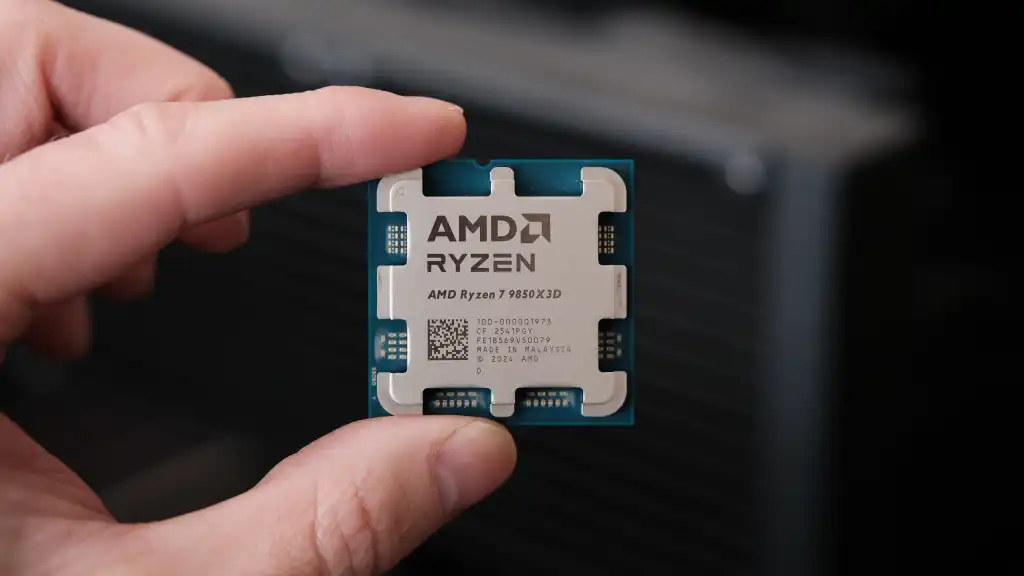
Despite its dominant position, Nvidia faces intensifying competition. Rivals such as AMD and Broadcom are advancing their own AI chip offerings, while cloud giants like Amazon and Google continue to invest in proprietary accelerators.
At the same time, geopolitical and regulatory dynamics remain a key factor. US export controls on advanced semiconductor technology — particularly to China — continue to shape the global AI landscape, influencing supply chains and market access.
Environmental concerns also loom large. The growing energy demands of AI data centres have drawn scrutiny from policymakers and advocacy groups, prompting Nvidia to emphasise efficiency gains in its next-generation chips.
The Next Phase of AI Expansion
Nvidia’s $1 trillion projection reflects its internal assessment of how rapidly artificial intelligence is being embedded across the global economy — from cloud computing to edge devices. As AI systems transition from development to deployment, inference is expected to become the primary driver of demand.
Whether that opportunity materialises will depend on a range of factors, including economic conditions, regulatory frameworks and the pace of technological innovation. For now, Nvidia’s message is clear: the AI boom is entering a new phase — and the race to power it in real time is only just beginning.
Read Also: IMF Raises Global Growth Forecast as AI Boom Offsets Trade Headwinds