Stay connected with BizTech Community—follow us on Instagram and Facebook for the latest news and reviews delivered straight to you.
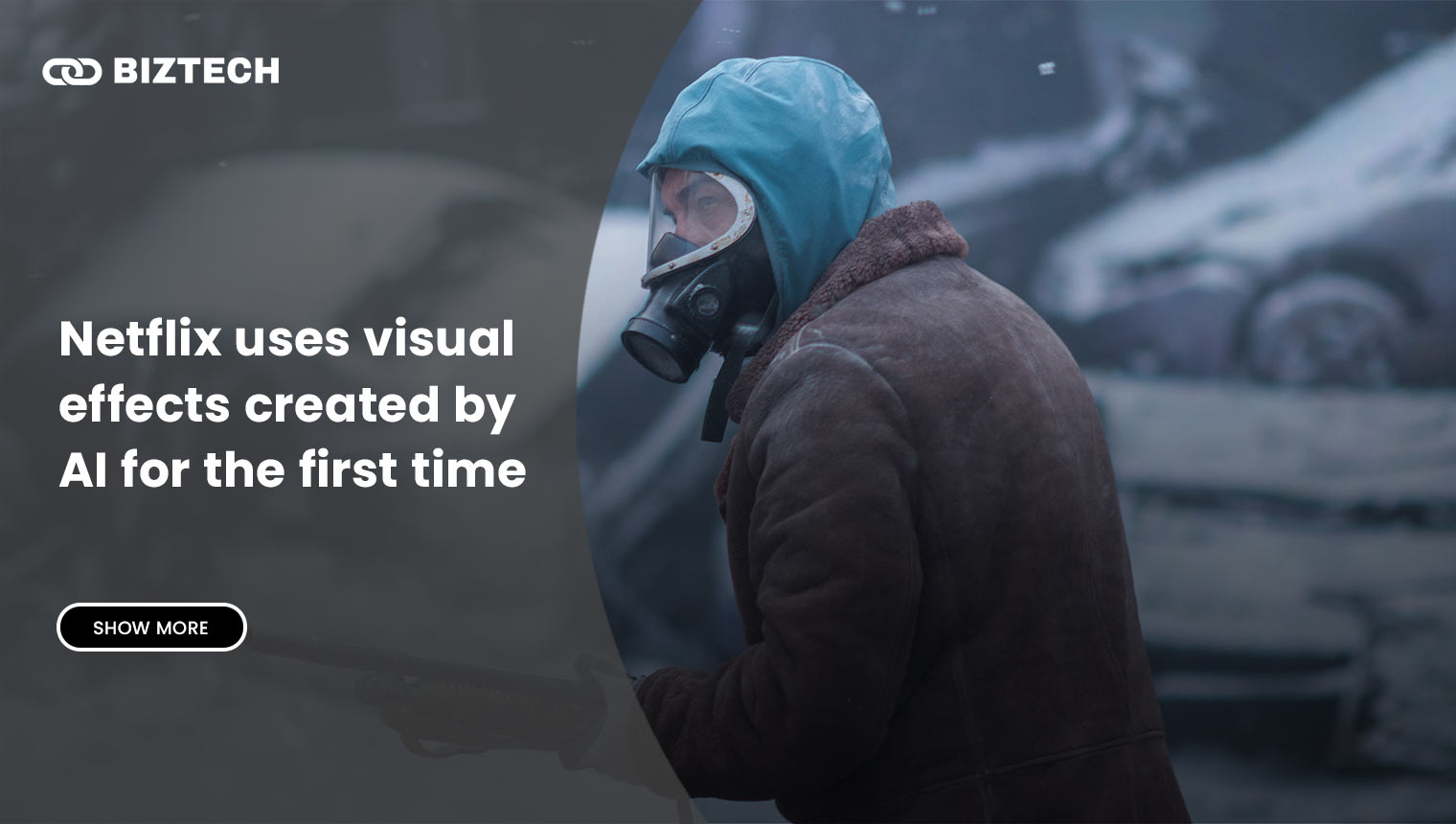
Netflix has officially used generative artificial intelligence to produce final visual effects footage in one of its original series for the first time. The milestone was highlighted by Co-CEO Ted Sarandos during the company’s second-quarter earnings call, where he described AI as “an incredible opportunity to help creators make films and series better, not just cheaper.”

The sequence in question appears in El Eternauta, a new Argentine science fiction series. The show’s creators wanted to depict a building collapsing in Buenos Aires — a scene that was deemed too costly using traditional VFX methods. Instead, Netflix turned to its internal innovation unit, Eyeline Studios, and completed the effect using generative AI. “That VFX sequence was completed 10 times faster than traditional tools would allow, and at a cost that would have been out of reach for a show with that budget,” Sarandos said.
This marks the first time generative AI final footage has appeared in a Netflix original production, and Sarandos said the creative team was “thrilled with the result.”
AI’s Hollywood Crossroads
Netflix’s move comes amid ongoing industry-wide debates around AI’s place in filmmaking — a conversation that intensified during the Hollywood labor strikes of 2023, where writers and actors demanded protections against the unchecked use of AI in creative roles.
The industry remains split. Some see AI as a democratizing force that allows lower-budget productions to rival big-budget visuals. Others view it as a threat to jobs, craft, and storytelling authenticity.
In 2024, filmmaker Tyler Perry canceled an $800 million studio expansion over concerns that rapid advancements in AI-generated video — such as tools like OpenAI’s Sora — could destabilize the industry. “Ultimately, it is the artist who decides what is in the final image, not AI,” said Davier Yoon, co-founder of Singapore animation studio CraveFX, adding that generative tools are increasingly becoming part of the standard VFX toolkit.
AI Beyond Production
Netflix says it’s also exploring AI in other parts of its ecosystem. Co-CEO Greg Peters said the technology could enhance the user experience, allowing viewers to use natural language voice commands to find content. For example, saying “show me a dark psychological thriller from the ’80s” could yield smarter, more tailored search results.
AI may also play a role in advertising, where it could help brands generate more customized content for Netflix’s growing ad-supported tier. “Generative techniques can lower the creative barrier over time,” Peters said. “We see that as an exciting growth opportunity.”
Record Quarter for Netflix
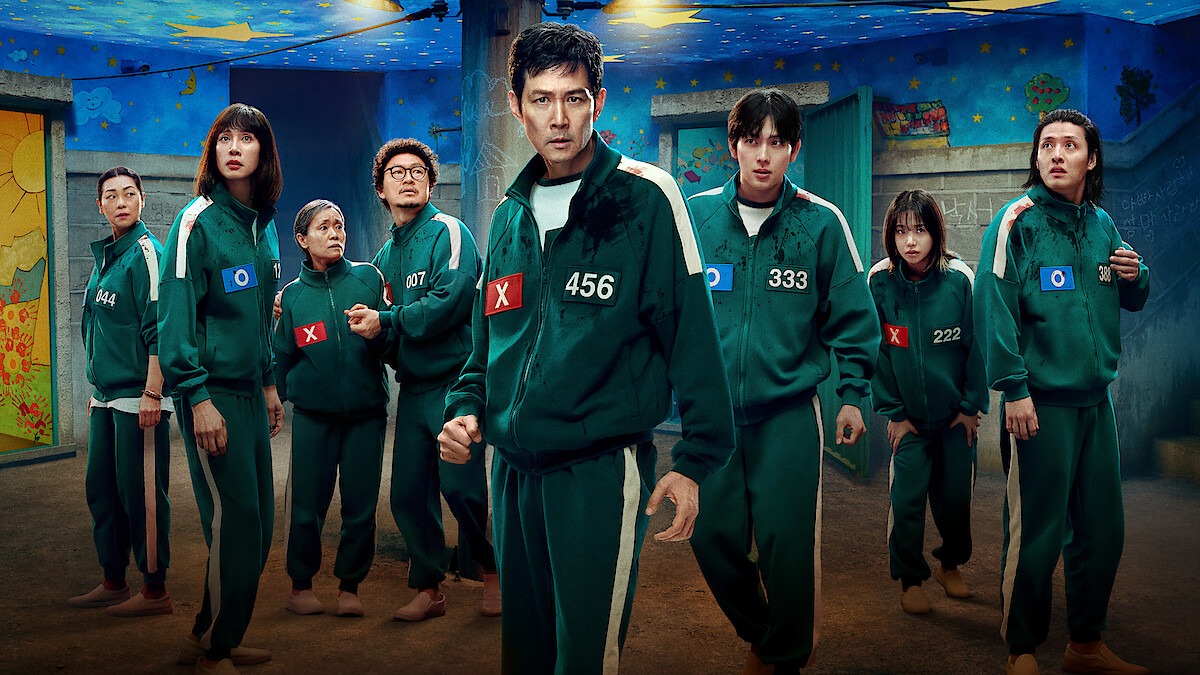
The AI news came alongside a strong earnings report, with Netflix reporting $11 billion in Q2 revenue, up 16% year-over-year. Profits rose from $2.1 billion to $3.1 billion, helped in part by the release of the final season of Squid Game, which drew 122 million views globally.
Despite industry anxiety, Netflix insists its approach to AI is about enhancing creativity rather than replacing it. “This isn’t about cutting corners,” Sarandos said. “It’s about opening up new creative possibilities — especially for storytellers with big ideas and smaller budgets.”