
Stay connected with BizTech Community—follow us on Instagram and Facebook for the latest news and reviews delivered straight to you.
In a sweeping move to combat the rising tide of cryptocurrency fraud, Meta announced on August 5, 2025, that it has dismantled over 6.8 million WhatsApp accounts linked to “pig butchering” scams orchestrated by organized crime syndicates in Southeast Asia.
These scams, which have siphoned billions of dollars globally, exploit trust through sophisticated social engineering, often luring victims into fake crypto investments via encrypted messaging platforms. As Indonesia grapples with its own crypto boom—evidenced by Rp224.11 trillion in transactions by June 2025—this crackdown signals a broader push to protect users in a region increasingly targeted by digital fraudsters.
The Anatomy of Pig Butchering Scams
Pig butchering scams, named for the way scammers “fatten up” victims with promises of high returns before draining their funds, have become a global scourge. According to Meta, these schemes typically begin with unsolicited messages from unknown numbers, often posing as friendly contacts or investment mentors.
These conversations, initiated on platforms like WhatsApp, Telegram, or Facebook Messenger, gradually shift to private chats where victims are persuaded to invest in fraudulent crypto platforms or fictitious businesses. The catch? Funds deposited are irretrievable, leaving victims with empty wallets and shattered trust.
The FBI’s 2024 Internet Crime Report, cited by Meta, underscores the scale of the problem: online scams cost U.S. consumers $9.3 billion, with crypto-related fraud accounting for $3.9 billion. Southeast Asia, particularly Cambodia, Myanmar, and Thailand, has emerged as a hub for these operations, often fueled by forced labor in scam centers.
A notable case highlighted by Meta involved a Cambodian syndicate using ChatGPT to craft convincing messages, luring victims into a pyramid scheme disguised as a scooter rental business.
After initiating contact via WhatsApp, scammers redirected victims to Telegram, where they were tasked with “liking” TikTok videos for fake payouts, ultimately funneling them toward crypto deposits.
Meta’s Proactive Strike and New Safety Measures
Meta’s response marks one of its largest anti-scam efforts to date, with WhatsApp proactively detecting and banning 6.8 million accounts in the first half of 2025 before they could fully operationalize. “We disrupted these networks before they could harm users,” Meta stated in its August 5 press release, emphasizing its use of advanced AI to identify suspicious patterns.
Collaboration with OpenAI was pivotal in dismantling the Cambodian operation, which leveraged ChatGPT’s generative capabilities to scale its deception. This partnership reflects a growing industry trend toward cross-platform alliances to combat AI-powered fraud.
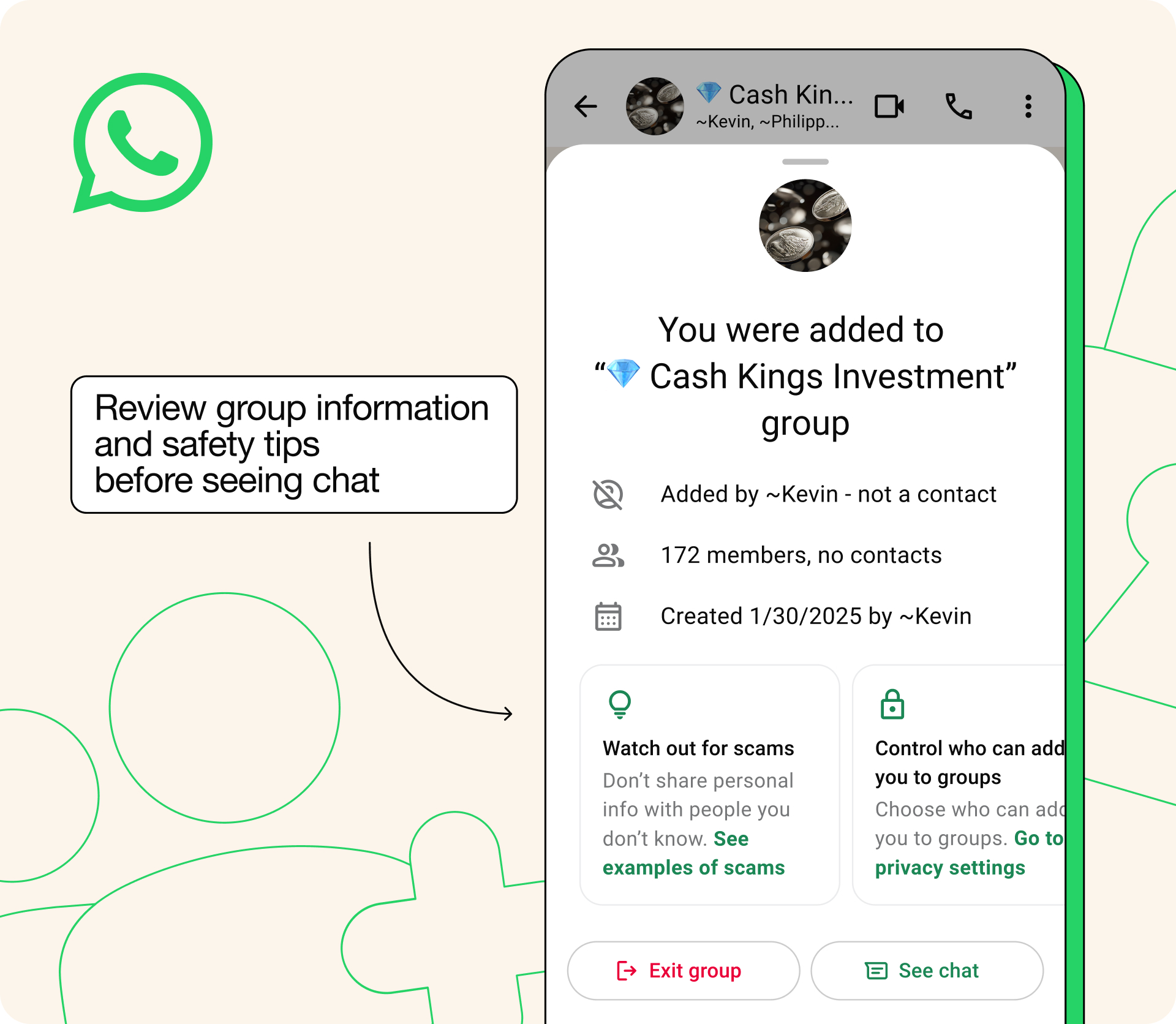
To bolster user protection, WhatsApp introduced new safety features, including a “safety overview” that alerts users when added to group chats by unknown contacts—a common tactic in pig butchering scams.
The feature provides group details and scam-spotting tips, with an option to exit quickly. Authorities in Singapore, Thailand, and Cambodia have also urged users to enable two-step verification to prevent account hijacking, a recommendation echoed by Meta.
These measures come amid a 25% rise in scam attempts, per Meta’s internal metrics, highlighting the urgency of staying ahead of evolving criminal tactics.
Challenges and Criticisms
Despite Meta’s efforts, critics argue that platforms like WhatsApp face structural challenges in eradicating scams. End-to-end encryption, while protecting user privacy, complicates content monitoring, allowing scammers to operate in the shadows. UK consumer analyst Lisa Webb, cited by the BBC, called for Meta to prevent scams from appearing across its platforms, including Facebook and Instagram, where fraudulent ads often originate.
Moreover, critics contend that Meta’s ad-driven business model creates a conflict of interest, as scam-related ads generate revenue. While Meta’s collaboration with OpenAI and proactive account bans demonstrate commitment, the persistence of fraud networks—estimated to create new accounts as quickly as they’re shut down—suggests a cat-and-mouse game with no easy resolution. Regulatory pressure is mounting, with Europe and Asia pushing for real-time scam detection, but balancing privacy and security remains a tightrope.
A Step Forward, But a Long Road Ahead
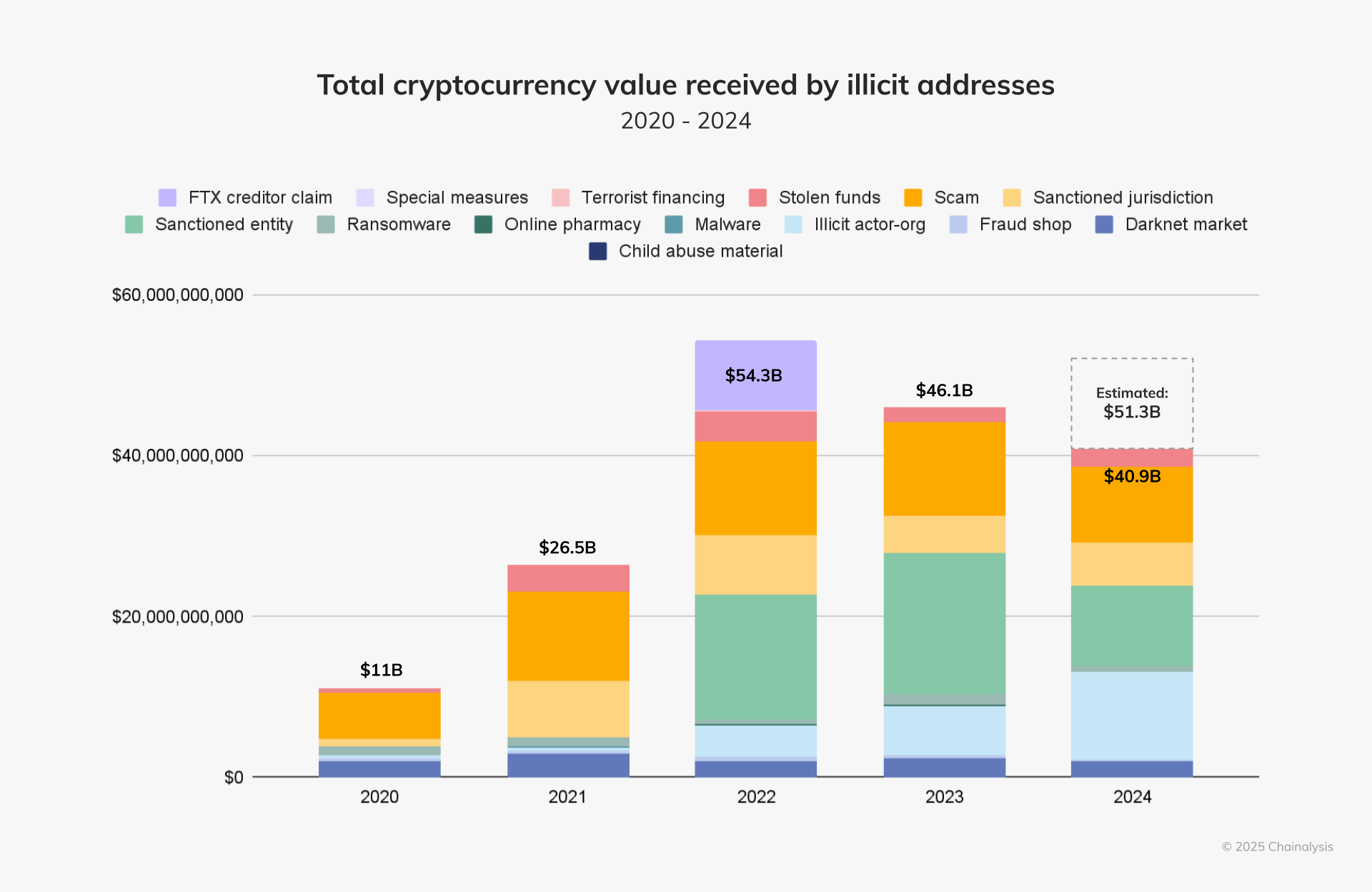
Meta’s takedown of 6.8 million WhatsApp accounts is a significant victory in the fight against crypto scams, particularly in Southeast Asia’s fraud hotspots. By targeting pig butchering operations and introducing user-focused safety tools, WhatsApp is setting a benchmark for platform accountability. In Indonesia, where crypto enthusiasm coexists with regulatory caution, these efforts could protect millions of users from financial devastation.
Yet, the battle is far from over. The sophistication of AI-driven scams, coupled with the region’s entrenched criminal networks, demands sustained innovation and international cooperation. For Indonesian users, enabling two-step verification and staying wary of unsolicited messages are critical first steps. As one X user, @haluanharian, noted, “Meta’s move is a wake-up call—scams are evolving, and so must our defenses.” With global losses from crypto fraud soaring, Meta’s crackdown is a reminder that in the digital age, vigilance is the price of financial freedom.