Stay connected with BizTech Community—follow us on Instagram and Facebook for the latest news and reviews delivered straight to you.
The World Bank has warned the global economy is entering its slowest decade of growth since the 1960s, driven in large part by U.S. President Donald Trump’s sweeping trade tariffs. Nearly two-thirds of countries have had their growth forecasts downgraded since the bank’s last report in January. Global growth is now expected to reach just 2.3% in 2025 — down 0.4 percentage points from earlier projections — with only a marginal recovery to 2.6% by 2027.
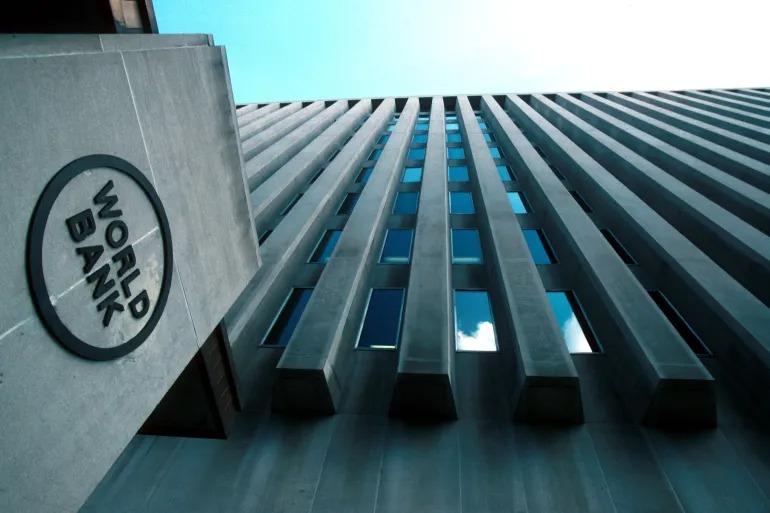
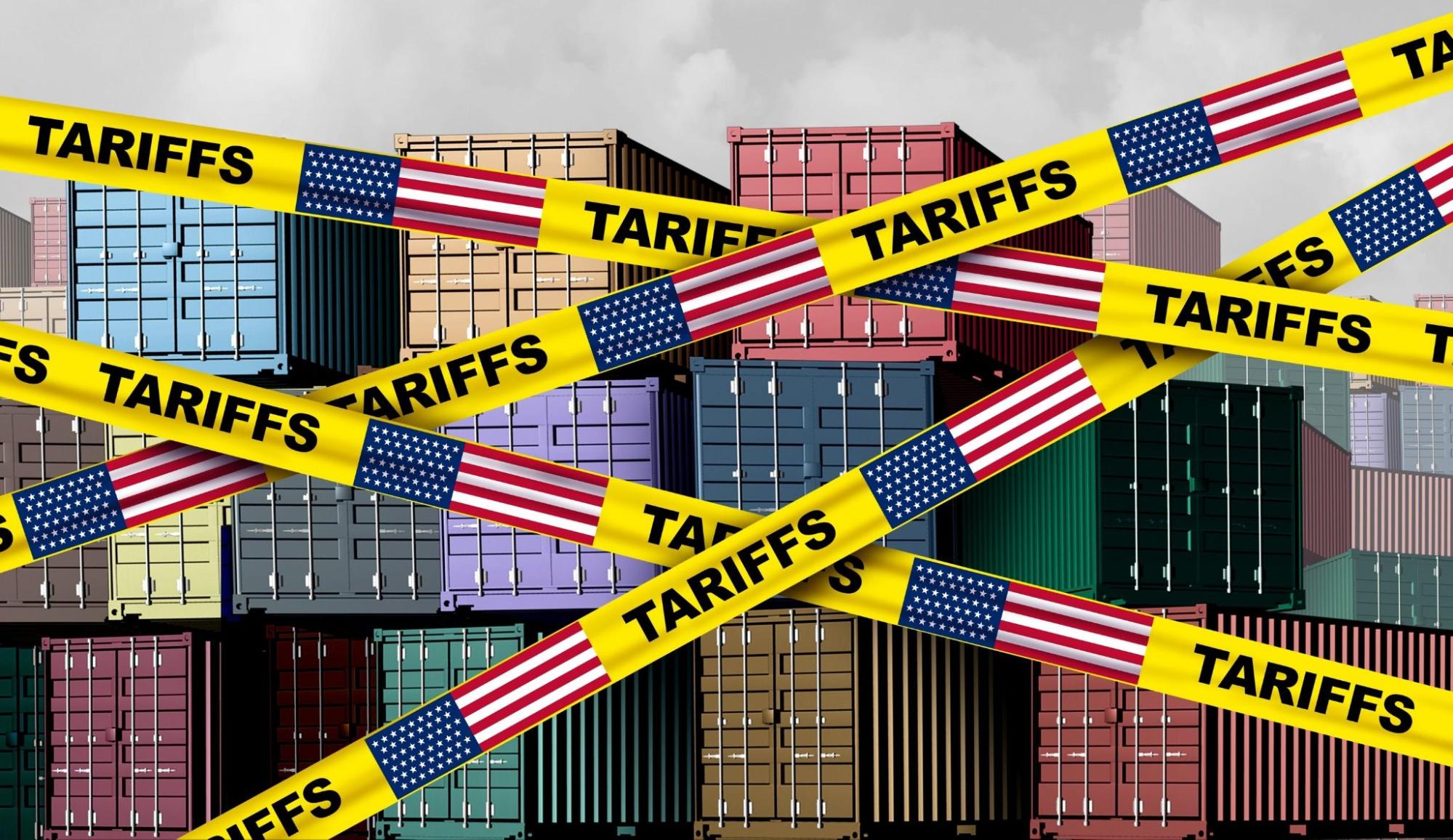
The most significant downward revisions hit developed economies, including Japan, the United States, and the European Union. The report explicitly cited the damaging effect of Trump’s 10% blanket tariff on all U.S. imports and his targeted levies on steel and aluminium, introduced in early April.
Economic Confidence Hit, Recession Risk Remains Low
The World Bank noted that escalating trade tensions and unpredictable policy shifts are rattling investor confidence and consumer spending, particularly in the United States. Despite this, the bank stopped short of predicting a global recession, putting the odds at less than 10%. However, it warned that continued tariff increases could trigger a collapse in global trade, soaring inflation, and financial market turmoil in the second half of the year.
China, in contrast, avoided a downgrade. The report said Beijing retains enough fiscal and monetary tools to navigate “significant headwinds” despite the heightened uncertainty.
OECD, Fitch Echo Alarm Over Trade War Fallout
The World Bank’s warnings echo those from the OECD and Fitch Ratings. The OECD recently downgraded its own global growth forecast to 2.9%, citing deteriorating trade conditions. Meanwhile, Fitch cut its outlook for global government bonds to “deteriorating,” pointing to widespread uncertainty around tariffs and supply chain disruption.
Fitch called the current trajectory a “significant adverse global economic shock,” noting that Trump’s erratic trade policy has become a major drag on investment, supply chains, and international relations.
Ongoing Talks Offer Fragile Hope
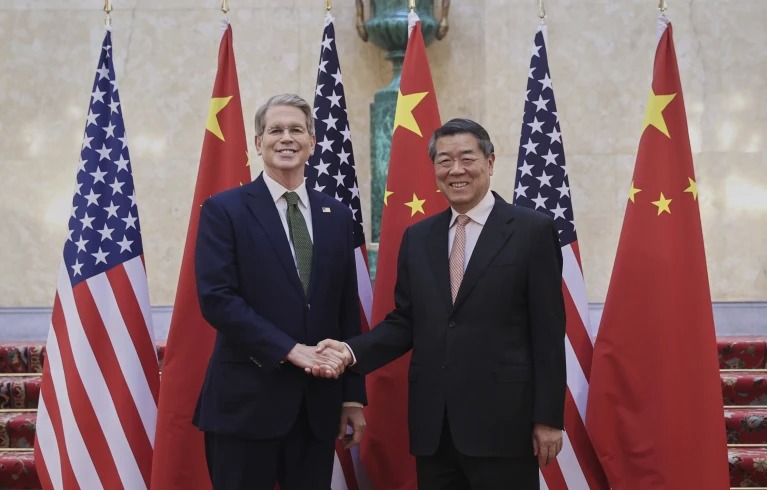
New U.S.-China trade talks opened in London this week, following last month’s temporary truce. Both sides are attempting to avert the next wave of reciprocal tariffs due to hit on July 9. Trump’s measures, while legally challenged, remain in effect for now. Despite these negotiations, the damage from the unpredictability of trade policy is already apparent, as businesses and consumers face rising costs and increasing uncertainty.
“The sharp increase in tariffs and the ensuing uncertainty are contributing to a broad-based growth slowdown and deteriorating prospects in most of the world’s economies,” the World Bank concluded.