Stay connected with BizTech Community—follow us on Instagram and Facebook for the latest news and reviews delivered straight to you.
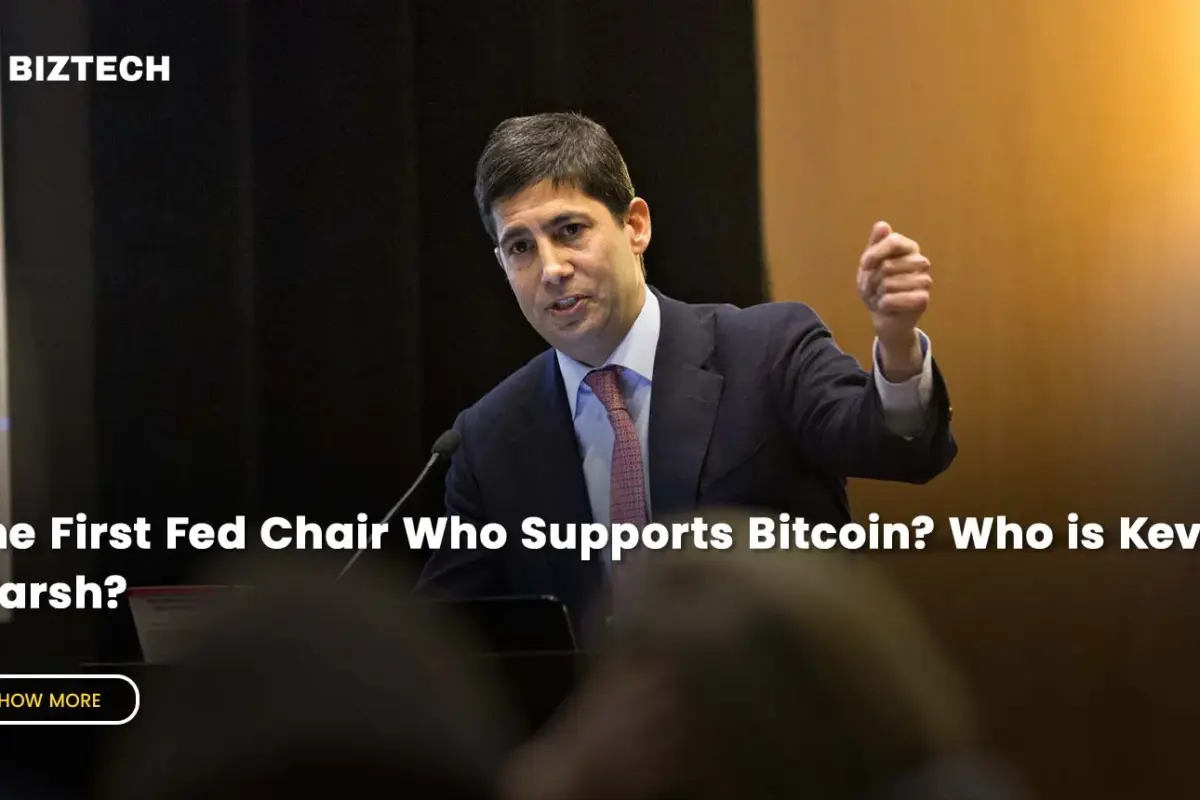
President Donald Trump has named Kevin Warsh to head the Federal Reserve. This could be the biggest change in U.S. monetary policy toward digital assets in decades. Warsh’s announcement on January 30, 2026, sent shockwaves across both the financial markets and the crypto community. In the days after, the values of gold and silver fell substantially, and Bitcoin dealers started to rethink their big-picture plans. The main question is if Warsh is the bullish catalyst the market has been waiting for, or will his past hawkishness keep any crypto gains from happening?
Warsh is not new to the Fed. He was a Governor from 2006 until 2011, and at 35, he was the youngest person ever chosen to the Board. During his time in office, he was a critical link between the Fed and Wall Street during the lead-up to the 2008 financial crisis and its worst phase. He became a distinguished visiting scholar at Stanford’s Hoover Institution after leaving the central bank. There, he quietly created a network in the growing crypto industry.
Warsh has actual skin in the game, unlike Jerome Powell, who mostly saw Bitcoin as a side issue.
Warsh’s connections to crypto and his history
Warsh is a digital asset investor who is active. He works for Bitwise Asset Management, which is one of the biggest companies in the US that offers index-based crypto funds. He was also one of the first people to invest in Basis, an algorithmic stablecoin project that had to shut down because of pressure from regulators. He has also worked as an advisor for Electric Capital, a well-known venture firm that focuses on blockchain technology.
These investments aren’t just sitting there. They show that the person has spent years learning about the technology, its hazards, and how it could fit into the larger financial system. Warsh has talked about Bitcoin in public several times, and most of the time he has been calm but helpful.
He said in a 2025 interview at the Hoover Institution that Bitcoin is “a good policeman for policy.” His theory is that Bitcoin’s price movement offers a clear market signal when central banks make mistakes, such creating too much money or neglecting inflation. He thinks this feedback loop is useful, not scary. When reporters used dismissive language regarding crypto, Warsh fought back, saying that most open-source crypto development happens in the United States and that this is important for long-term competition.
Michael Saylor, the most outspoken supporter of Bitcoin in the business world, called Warsh “the first pro-Bitcoin Federal Reserve Chair in history” in response to the nomination. That label isn’t completely exaggerated. No previous Fed Chair has taken the job while having assets in crypto funds or making public statements that frame Bitcoin as a valid policy signal.
Read also: Michael Saylor: The Mad Genius Betting Billions on Bitcoin
Warsh on Monetary Policy: Hawkish Past, Pragmatic Present
Warsh’s history with monetary policy is not clear-cut. He kept warning about the risks of inflation during the 2008 crisis, when the economy was shrinking and unemployment was rising. A lot of economists now think those worries were too early and might have slowed down the recovery. He has also been critical of the Fed’s large-scale balance-sheet growth, saying that quantitative easing unfairly helped Wall Street and messed up the way capital was allocated.
Normally, these hawkish impulses would be bad for risky assets like Bitcoin. In high-beta markets, lower liquidity and higher rates tend to lower prices. But the situation in 2026 is different. Warsh has recently become more in line with the Trump administration’s wish for lower interest rates. He has said that productivity increases from AI are disinflationary, which means that the economy can handle softer policies without putting pressure on prices again.
Trump has promised to slash interest rates aggressively as a key part of his economic plan. If Warsh follows through on that order, even just a little, it might lead to a more welcoming climate that helps risk assets, like bitcoin. The question is whether Warsh will be the 2008 inflation hawk or the 2026 pragmatic who is willing to work with the realities of politics and technology.
What This Means for Bitcoin and the Crypto Market
How Warsh turns his ideas into policy will have a big effect on crypto. These are the primary situations that traders should think about:
Bullish case: Warsh decreases rates by a modest to aggressive amount, the dollar gets weaker, and he stays neutral to supportive on digital assets. Bitcoin is good for both risk and inflation protection. The Fed’s antagonism toward regulation goes away, which boosts institutional confidence and ETF inflows. As liquidity spreads, altcoins inevitably follow.
Bearish case: Warsh goes back to his old hawkish impulses, puts controlling inflation first, and speeds up the balance-sheet runoff. The currency gets stronger, liquidity gets tighter, and risk assets like Bitcoin keep facing problems. His earlier comments calling bitcoin “software” instead of money could make regulators more wary.
The most likely outcome is an intermediate path. Warsh slowly lowers rates to please the White House while keeping enough control to keep inflation from rising again. Cryptocurrency is still volatile, but the overall economic environment is typically supportive. His practical approach doesn’t make him hostile toward the sector, which leaves room for more institutions to adopt it.
Important Things for Crypto Investors to Know
Warsh would be the first Fed Chair who knows a lot about cryptocurrencies. He has put money into crypto funds, given advice to blockchain startups, and said in public that Bitcoin is a good way to find policy mistakes. This is a big step ahead from the Powell era.
His policy position is the wild card. Historical hawkishness suggests prudence, but current support for Trump’s lower-rate goal suggests accommodation. Listen to his first public statements and the tone of the first FOMC statement he made as head of the group.
There is no assurance of confirmation. Senator Thom Tillis has said he will stop all Fed nominees from being confirmed until the Department of Justice finishes looking into Powell. There could be delays or political trouble on Warsh’s way to confirmation.
Don’t pay attention to the headline; trade the macro setup. The nomination is just one part of a bigger picture. Interest rates, the strength of the dollar, and global liquidity are still the primary factors. If Warsh is dovish, it would be good for the market; if he is hawkish, that would be bad. The market will probably keep paying more attention to data and what the Fed says than to the person who runs the organization.
Conclusion
Kevin Warsh’s nomination is the most important change in Fed leadership for the crypto markets in more than ten years. He has a lot of experience with this type of asset, has made investments in it, and has a public record that sees Bitcoin as a legitimate market signal rather than a fringe phenomenon. How he finally handles policy—whether he makes it easier or goes back to being hawkish—will affect risk assets, including Bitcoin, for years to come.
The market seems cautiously hopeful for now. Bitcoin has stayed above important technical levels even though there has been a lot of commotion in the macroeconomic world. Institutional flows are still supportive. Traders should keep an eye on Warsh’s public comments, impending Senate hearings, and the tone of the Fed’s minutes to get an idea of how he will act. In a cycle where institutions are more involved than regular investors, the identity of the Fed Chair is more important than ever. Warsh may be the best leader the industry has ever had at the central bank level, or he could be a reminder that being cautious in institutions can be just as bad as being hostile.