Stay connected with BizTech Community—follow us on Instagram and Facebook for the latest news and reviews delivered straight to you.
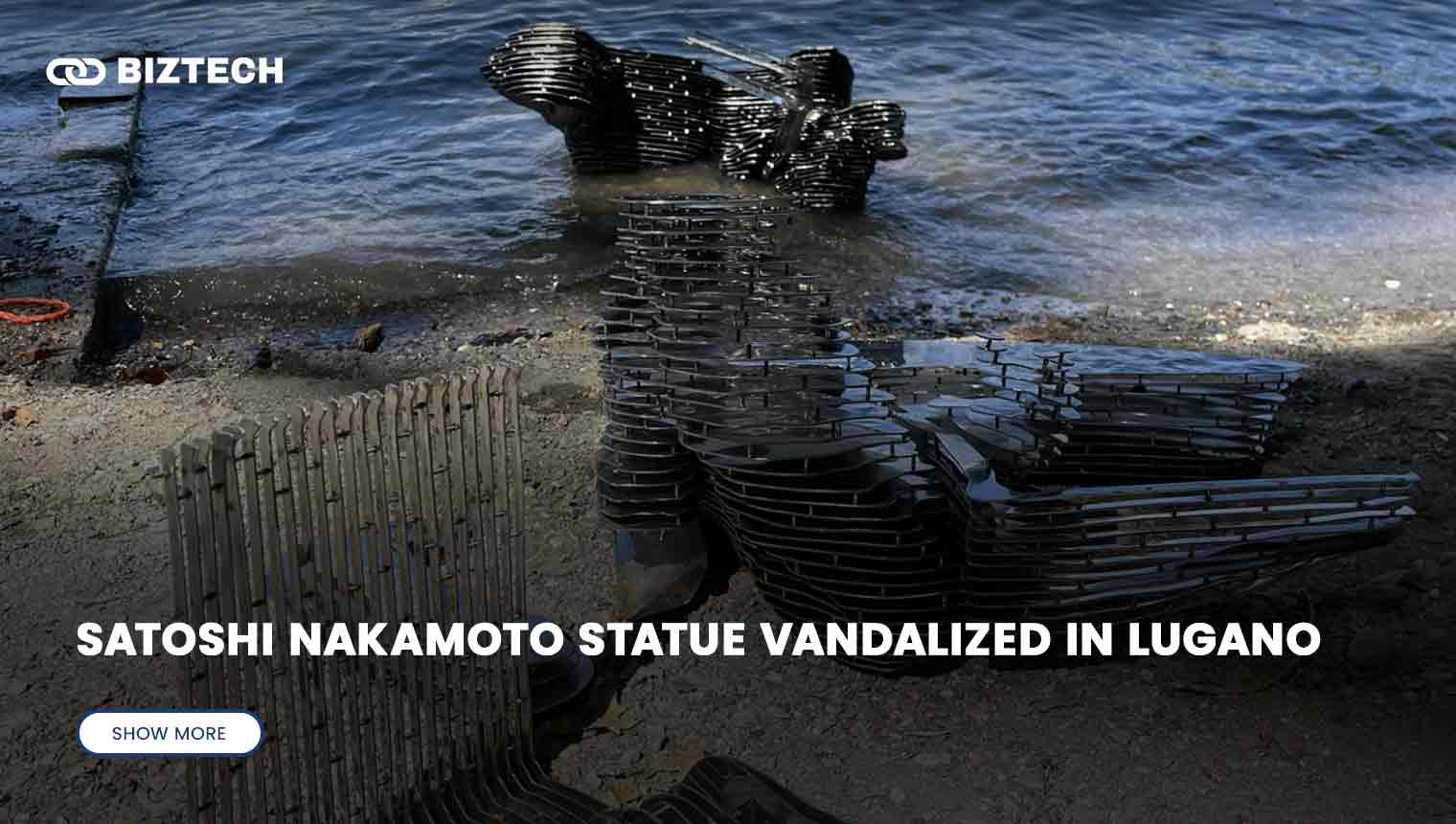
On the morning of August 3, 2025, the lakeside city of Lugano, Switzerland, woke to a jarring sight: the iconic statue of Satoshi Nakamoto, the pseudonymous creator of Bitcoin, had vanished from its perch in Parco Ciani. By the end of the day, the artwork was recovered—shattered into pieces and dredged from the depths of Lake Lugano. What was meant to be a lasting tribute to Bitcoin’s decentralized ethos became, for a moment, a stark reminder of the vulnerability of physical symbols in a digital revolution. Yet, as the Bitcoin community rallies to restore the statue, the incident underscores the enduring power of the ideas it represents.

The statue, unveiled in October 2024 during the Plan B Forum, was a striking creation by Italian artist Valentina Picozzi and the Satoshigallery collective. Crafted from 304 stainless steel and corten blocks, its design was a visual metaphor for Nakamoto’s anonymity: a hooded figure seated at a laptop, visible only from certain angles, fading into thin air when viewed head-on. The artwork, one of three installed globally alongside counterparts in El Salvador and Tokyo, was a centerpiece of Lugano’s ambition to become a global Bitcoin hub, bolstered by its adoption of Bitcoin and USDT as legal tender in 2022. Its disappearance sent shockwaves through the crypto world, only for its recovery to reveal a story of vandalism rather than theft.
A Symbol Stolen, A Community Stirred
The incident came to light when Satoshigallery posted on X, “Where is Satoshi? We are offering 0.1 BTC to whoever will help us recover the Statue of Satoshi Nakamoto that was stolen yesterday in Lugano.
You can steal our symbol but you will never be able to steal our souls.” The reward, valued at over $11,000 at Bitcoin’s price of $115,800, reflected the urgency to reclaim the artwork. Hours later, municipal workers found the statue in pieces along Lake Lugano’s banks and in its waters, its feet still welded to the base in Parco Ciani. The damage pointed to vandalism, not a profit-driven heist, as the statue’s fragmented state rendered it unsellable.
Speculation about the culprits quickly spread. X user @Grittoshi, who first raised the alarm, theorized that drunken revelers celebrating Swiss National Day on August 1 may have been responsible. “I was in the park on August 1st at night. It was still there,” he posted. “Many youngsters went drunk at the open-air café just beside the statue. On their way back home, they just had ‘fun’ with the statue.” The timing, coinciding with festive crowds and minimal security—only two welds secured the statue—lends credence to this theory. Nearby surveillance cameras may yet provide clarity, but no suspects have been identified, and authorities have released few details.
The Bitcoin community’s reaction was swift and visceral. Gabor Gurbacs, founder of Pointsville, called the act “tasteless and stupid,” echoing sentiments of outrage across X. Tether CEO Paolo Ardoino posted a heart emoji, signaling solidarity, while @JasCrypto_ wrote, “You can steal the symbol, not the soul,” capturing the defiance that defines the crypto ethos. A Change.org petition, shared by Ardoino, calls for Lugano’s support to restore the statue, with Picozzi offering to cover repair costs if security is enhanced. The petition underscores the community’s determination to preserve Nakamoto’s legacy, even as physical tributes face real-world risks.
Lugano’s Bitcoin Ambitions Tested
Lugano has positioned itself as a crypto pioneer, adopting Bitcoin, USDT, and its own LVGA token as legal tender in 2022 and allowing tax payments in crypto since 2023.
The statue, unveiled with fanfare at the Tether-backed Plan B Forum, was more than art—it was a statement of the city’s digital ambitions. Mayor Michele Foletti called it a reflection of Lugano’s “forward-thinking spirit,” a nod to its role as a blockchain hub. The vandalism, occurring just over a week after Satoshigallery unveiled a similar statue in Tokyo, struck a symbolic blow to these aspirations.
Yet, the incident’s economic impact on Bitcoin appears negligible. Despite a broader market correction that saw Bitcoin drop to $115,000 on August 1, driven by whale profit-taking and macro uncertainties like U.S. tariff policies, analysts note no direct link to the statue’s vandalism. Posts on X suggest the crypto market’s volatility—evidenced by $630 million in liquidations, including $141 million in Bitcoin long positions—is tied more to whale sales of 80,000 BTC and a negative Coinbase Premium Index than to symbolic acts like this one. The Crypto Fear and Greed Index, at 65, signals continued optimism, suggesting the market views the event as a cultural, not financial, setback.
The Bigger Picture: Symbols and Resilience
The statue’s destruction highlights a paradox: Bitcoin, a decentralized system immune to physical tampering, relies on tangible symbols to engage communities. The Lugano statue, like those in El Salvador and Tokyo, was part of Satoshigallery’s plan to install 21 such artworks worldwide, each celebrating Nakamoto’s vision of financial autonomy. Its design, fading into code, mirrored Bitcoin’s ethos—elusive yet omnipresent. The vandalism, while disheartening, has galvanized the community, with calls for NFT replicas and Kintsugi-style repairs to symbolize resilience through brokenness.
This incident also raises questions about the security of public crypto art. Lugano’s local businesses reported a dip in tourist traffic post-vandalism, prompting officials to pledge tighter measures for Parco Ciani and future exhibitions. The statue’s minimal anchoring—only two welds—made it an easy target, a lesson for future installations. Satoshigallery remains undeterred, reaffirming its commitment to its global mission. “One statue may be missing,” a representative told Cointelegraph, “but the idea it represented cannot be erased.”