Stay connected with BizTech Community—follow us on Instagram and Facebook for the latest news and reviews delivered straight to you.
As artificial intelligence permeates nearly every aspect of daily life—from smart homes to virtual assistants—a growing number of individuals are seeking respite by embracing analogue alternatives. This trend, dubbed the “analogue renaissance,” reflects a backlash against the ubiquity of AI-powered devices, with people opting for traditional crafts, physical books and non-digital hobbies to reclaim control over their time and mental space.

The movement gained momentum in 2025, driven by concerns over privacy, mental health and the environmental impact of AI infrastructure. Surveys indicate that 35 per cent of US adults now limit screen time intentionally, up from 22 per cent two years ago, as per a Pew Research Centre study released in December 2025. Participants cite “AI overload” as a key factor, with constant notifications, algorithmic recommendations and automated interactions contributing to heightened stress and reduced creativity.
Read also: AI and Blockchain in 2026: Can Decentralized Tech Restore Trust in a Synthetic Media World?
Rise of Analogue Activities and Market Shifts
Crafting, in particular, has seen a surge. Sales of knitting supplies, woodworking tools and film cameras have risen 40 per cent year-on-year, according to market data from Nielsen. Retailers like Etsy report a 25 per cent increase in handmade goods listings, while bookstores note a revival in physical sales, bucking the trend of digital dominance. “People are craving tangible experiences that AI can’t replicate,” said Sarah Thompson, a consumer trends analyst at Forrester Research.
This shift extends to wellness practices. Yoga studios and meditation retreats report record enrollments, with apps like Calm introducing “AI-free” modes to appeal to users seeking unmediated mindfulness. In education, some schools are piloting “analogue days” without screens, emphasising handwriting and face-to-face discussions to foster deeper engagement.
The trend is global, with similar patterns in Europe and Asia. In Japan, “forest bathing” retreats have doubled in popularity, while in the UK, libraries have seen a 15 per cent uptick in borrowing of physical books.
Underlying Causes and Societal Impacts
Experts attribute the backlash to several factors. Privacy scandals involving AI data collection have eroded trust, while studies link excessive screen time to anxiety and sleep disturbances. A 2025 World Health Organisation report warned of “digital fatigue” affecting 1 in 4 adults globally. Additionally, the environmental cost of AI—data centres consuming vast energy—has prompted eco-conscious consumers to reduce digital footprints.
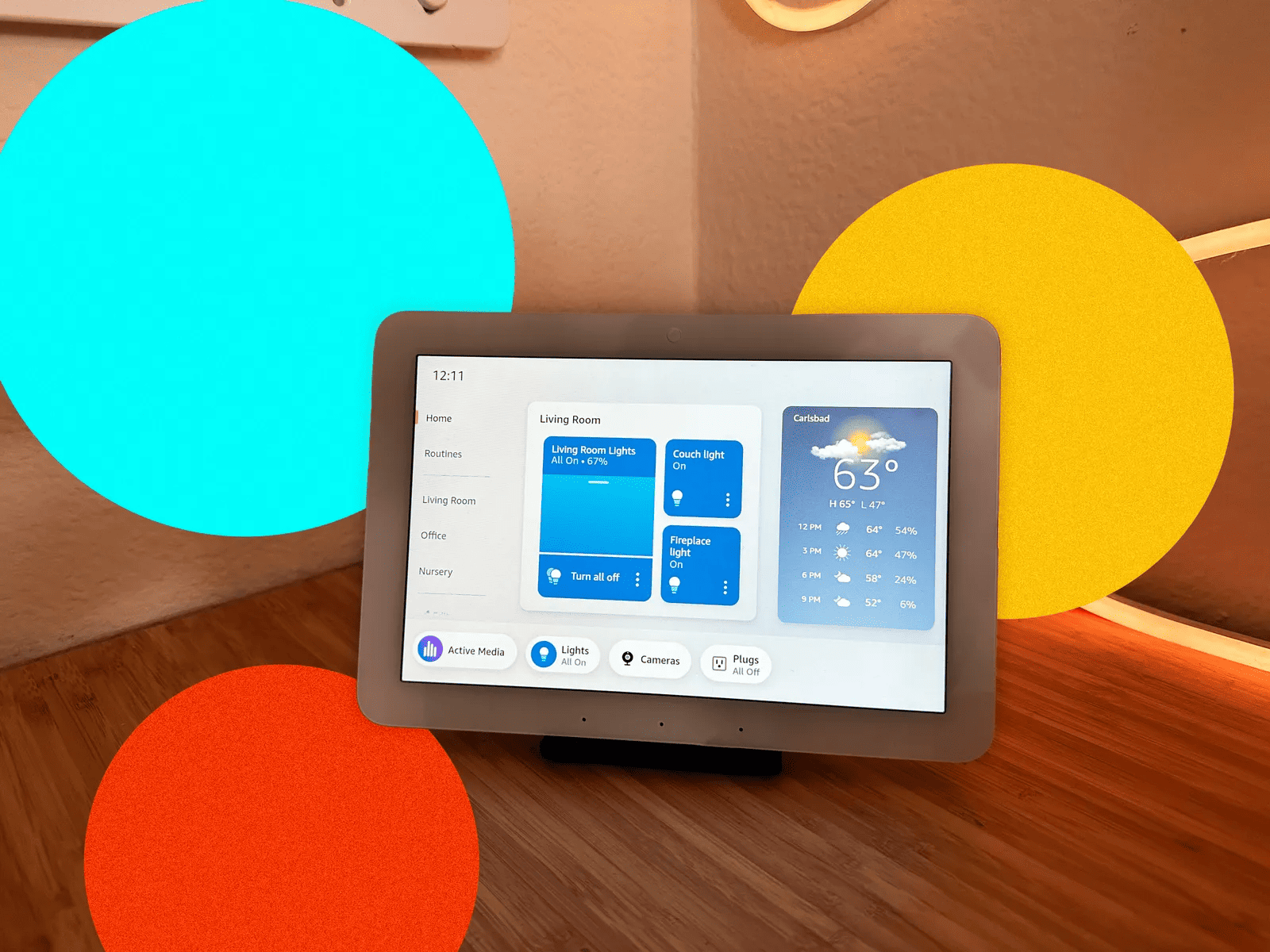
Economically, the shift could challenge tech giants. Amazon’s smart device sales slowed 8 per cent in Q4 2025, prompting the company to explore “low-tech” product lines like mechanical kitchen gadgets. Venture funding for analogue startups, such as artisanal craft kits, rose 20 per cent last year, according to PitchBook.
However, not all view it as a rejection. “It’s a balance, not abandonment,” said Dr Lisa Chen, a psychologist at Stanford University. “People are curating their tech use, using AI where it adds value but reclaiming human elements elsewhere.”
Future Outlook and Policy Considerations
As 2026 begins, the trend may influence policy. Governments are considering “digital detox” incentives, such as tax breaks for non-digital hobbies, while schools debate screen limits. In the EU, the Digital Wellbeing Directive, set for debate in March, aims to mandate AI-free options in consumer products.
The analogue movement signals a cultural recalibration, reminding us that amid AI’s promises, human connection and simplicity retain enduring appeal. As adoption grows, it could reshape markets, pushing tech firms toward more mindful innovation.