Stay connected with BizTech Community—follow us on Instagram and Facebook for the latest news and reviews delivered straight to you.
Oil prices climbed on Tuesday as geopolitical tensions flared between Iran and Israel, raising concerns over potential disruptions to global energy supplies. Brent crude futures rose $1.23, or 1.7%, to $74.46 per barrel, while U.S. West Texas Intermediate (WTI) crude was up $1.08, or 1.5%, to $72.85. Earlier in the day, both benchmarks rose more than 2% before dipping and recovering in a volatile session.

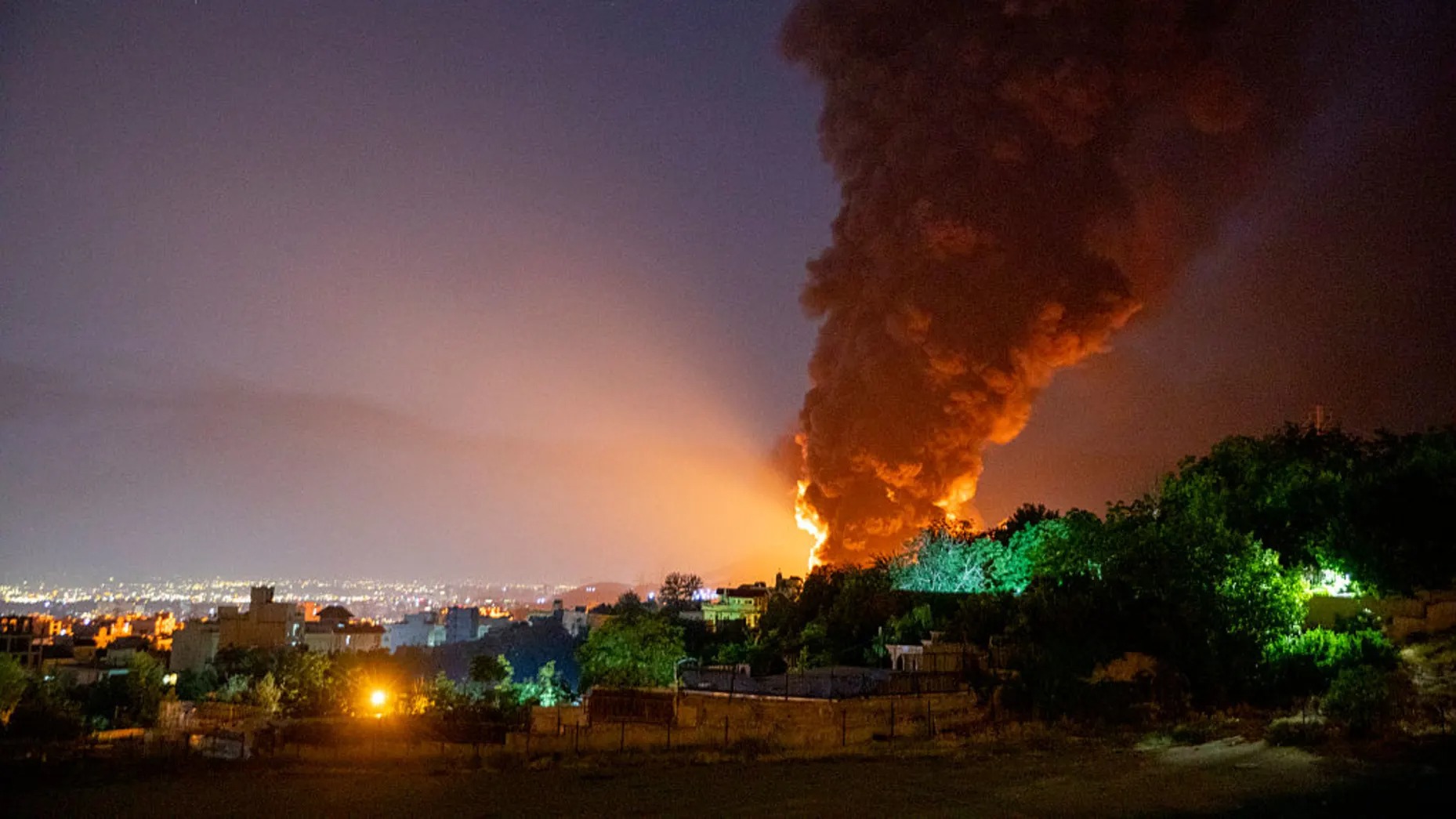
The price movement followed a series of military strikes: Iran suspended part of its gas production at the critical South Pars gas field after an Israeli airstrike caused a fire over the weekend. Another Israeli strike hit the Shahran oil depot in Iran. Although no substantial oil flow interruptions have been confirmed, traders are increasingly wary of escalating military action affecting energy infrastructure.
Minimal Disruption So Far, but Regional Risks Mount
So far, key infrastructure and oil flows — particularly through the Strait of Hormuz — remain intact. Still, incidents like the collision and fire involving two oil tankers near the Strait on Tuesday underscore the rising risk. According to Saxo Bank analyst Ole Hansen, while the market is nervous about potential blockades in the Strait of Hormuz, Iran has little incentive to shut down its own revenue stream, and the U.S. prefers stable oil prices to curb inflation.
Despite the geopolitical strain, the International Energy Agency (IEA) offered a somewhat calming note in its latest monthly oil report. The IEA slightly downgraded global oil demand growth by 20,000 barrels per day (bpd) while revising supply forecasts upward by 200,000 bpd. Total expected supply growth is now pegged at 1.8 million bpd for the year — suggesting that oil markets remain relatively well supplied even amid conflict.
Higher Energy Prices Threaten Broader Inflation
Rising crude prices don’t just impact petrol costs. As energy underpins all aspects of the economy, sustained higher oil and gas prices could significantly push up costs in agriculture, manufacturing, transport, and food processing. For example, higher diesel costs affect farm machinery, while pricier natural gas hits electricity prices and heating.
David Oxley of Capital Economics estimates that a $10 increase in oil prices typically translates to about a 7-pence-per-liter rise at the pump in the UK. While crude prices are still far below recent highs, analysts caution that the situation could evolve quickly if the conflict expands or disrupts vital shipping lanes.
Gas prices have also climbed in response to the conflict, but because of pricing caps and regulatory lag, the impact on households in Europe and the UK will be delayed. Nonetheless, the risk of inflation creeping back remains significant if the trend holds.
Read also: US Inflation Cools Down: Could Bitcoin Prices Surge to New Heights?
Economic Stability in Jeopardy If Conflict Escalates
Analysts warn that continued conflict between Iran and Israel — especially if it draws in other regional actors or leads to disruption at the Strait of Hormuz — could deliver a major shock to the global economy. Around 20% of the world’s oil passes through this narrow waterway, making it a vital artery for global energy supplies.
According to Capital Economics, if Brent crude were to surge back above $100 per barrel, inflation in advanced economies could rise by as much as 1%, complicating monetary policy and possibly reversing progress on cost-of-living pressures. Investors are now closely watching whether the U.S. will intervene diplomatically to de-escalate tensions and prevent further market disruption.