Stay connected with BizTech Community—follow us on Instagram and Facebook for the latest news and reviews delivered straight to you.
The International Monetary Fund has raised its forecast for global economic growth in 2026. It said the increased investment in artificial intelligence and other advanced technologies is helping the world economy withstand the impact of trade barriers.
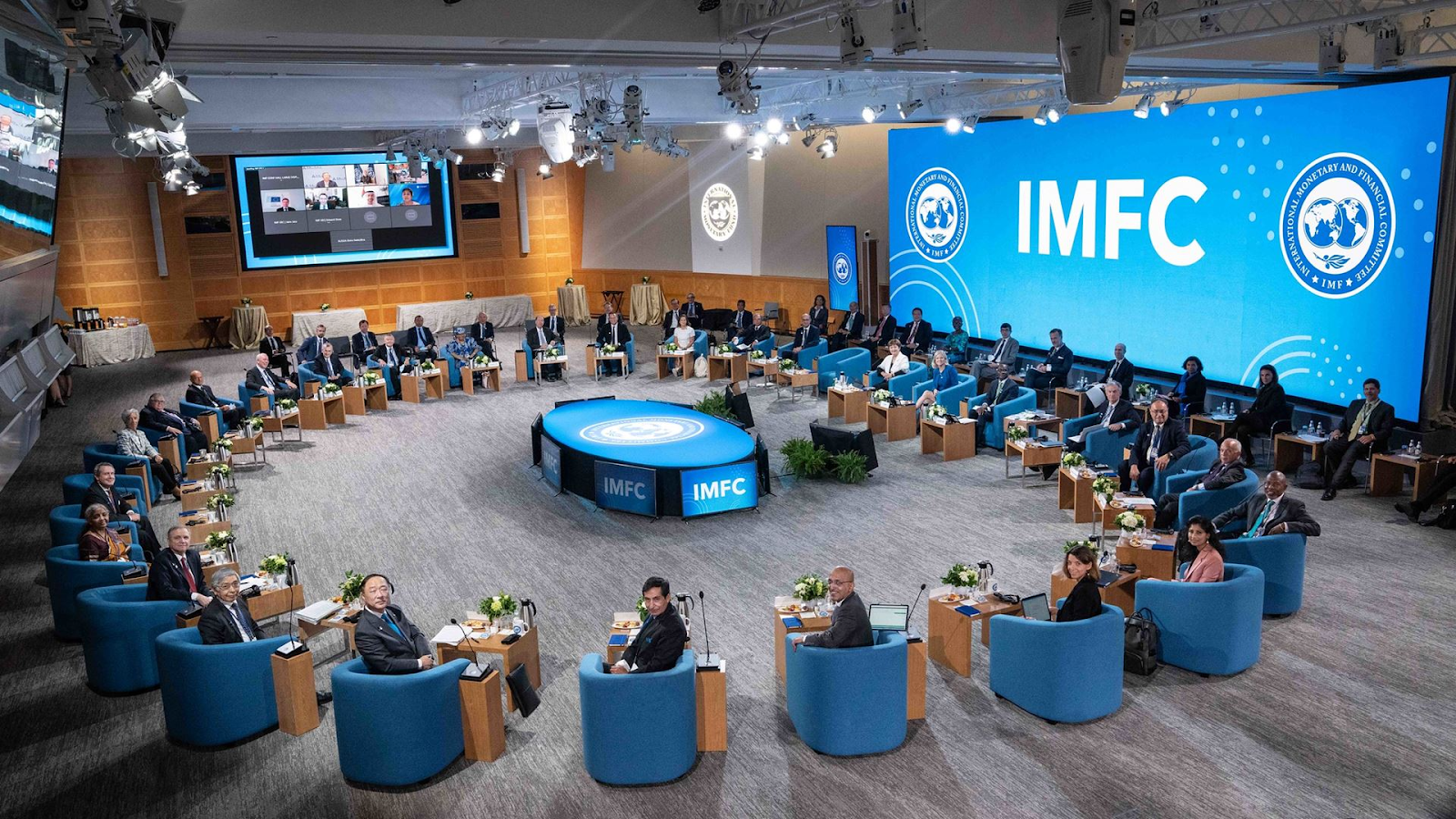
In its latest World Economic Outlook Update, the IMF said it now expects global output to grow by 3.3% in 2026, an increase of 0.2 percentage points compared with its October projection. Growth is also forecast at 3.3% in 2025, suggesting a period of relative stability after years of shocks linked to the pandemic, inflation and geopolitical tensions.
The Fund said the upgrade reflects stronger-than-expected performance in several major economies, particularly the United States and China. In both countries, firms brought forward imports ahead of new tariffs, while government support and resilient domestic demand helped soften the effects of trade restrictions.
However, the IMF warned that the balance of risks remains tilted to the downside, with potential escalation in trade disputes, ongoing geopolitical conflicts and uncertainty over whether artificial intelligence will deliver the productivity gains many investors expect.
“Global growth is projected to remain steady amid divergent forces,” the IMF’s chief economist, Pierre-Olivier Gourinchas, told a press briefing. He said investment in new technologies, looser fiscal policy in some countries and relatively easy financial conditions were offsetting tighter trade policies, but cautioned that “downside risks dominate”.
Read also: Five Charts Reveal a Cautious Global Economic Outlook for 2026
Stronger outlook for the US and China
Much of the upward revision is driven by the US economy. The IMF now forecasts growth of 2.9% in 2026, up from a previous estimate of 2.7%. The Fund pointed to robust consumer spending and heavy investment linked to artificial intelligence as key factors supporting activity.
China’s growth forecast has also been nudged higher, to 4.6%, helped by government stimulus measures. Nevertheless, the IMF said structural weaknesses remain, particularly in the property sector, which continues to weigh on confidence.
In contrast, the outlook for the eurozone remains subdued. Growth in the currency bloc is forecast at 1.3%, constrained by tighter public finances and continued exposure to energy price shocks.
Emerging markets and developing economies are expected to grow more strongly, at 4.2%. India is again highlighted as a leading performer, with growth of 6.5%, supported by manufacturing reforms and strong domestic demand.
Inflation is easing, but risks remain
The IMF expects global inflation to continue to fall, easing to 3.8% in 2026 from 4.1% in 2025. This trend could give central banks greater scope to cut interest rates.
However, the Fund warned that inflation in the US may return to target more slowly than in other advanced economies, partly because of the impact of tariffs. That could influence future decisions by the Federal Reserve.
Trade tensions and technology uncertainty
Trade policy remains a central concern in the report. The IMF assumes an effective tariff rate of 18.5% on US imports but said higher barriers could significantly damage growth. A potential escalation in trade tensions between the US and the European Union was described as a “major risk”, with the potential to reduce output directly and undermine business confidence.
At the same time, booming investment in artificial intelligence is seen as a major support for growth, boosting expectations of higher productivity and asset values. But the IMF warned that a reassessment of these expectations, for example if adoption proves slower than hoped, could trigger market volatility.
The Fund also flagged elevated financial market valuations and growing links between banks and non-bank financial institutions as possible sources of instability.

Geopolitical risks remain high, including the wars in Ukraine and the Middle East, which could disrupt energy supplies and push up commodity prices.
Policy advice and longer-term outlook
The IMF urged governments to rebuild fiscal buffers while maintaining economic stability, especially in countries with high levels of public debt. It called for gradual monetary easing where inflation is firmly under control and for structural reforms to raise productivity, including investment in education, infrastructure and the transition to greener energy.
The Fund also stressed the need for cooperation on trade policy to avoid further fragmentation of the global economy.
Looking ahead to 2027, global growth is forecast to slow slightly to 3.2%, with advanced economies growing at 1.7% and emerging markets at 4.2%. The IMF said stronger multilateral cooperation would be crucial to managing uncertainty and ensuring that the benefits of new technologies, including artificial intelligence, are shared more widely.
Financial markets reacted cautiously positively to the upgraded outlook, with modest gains in major indices. Analysts, however, warned that the forecasts depend heavily on avoiding policy mistakes, particularly at a time of political transition in several major economies.