Stay connected with BizTech Community—follow us on Instagram and Facebook for the latest news and reviews delivered straight to you.
Global trade is on track to surpass $35 trillion for the first time in 2025, according to the latest update from the United Nations Trade and Development agency (UNCTAD). The projection, released last week, indicates continued expansion in merchandise and services flows, even as momentum has slowed amid geopolitical tensions, policy uncertainty and uneven demand.
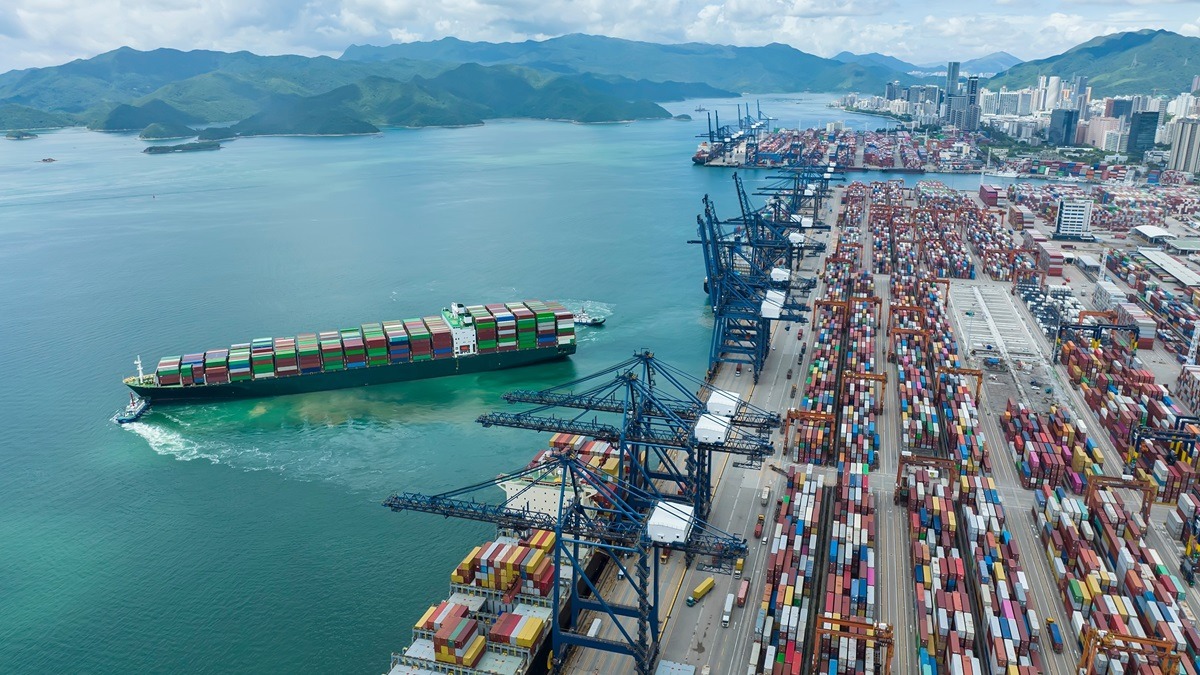
UNCTAD’s final Global Trade Update of the year estimates that trade grew by approximately 4 per cent in the second half of 2025, building on earlier gains to push the annual total beyond the landmark figure. This performance reverses the stagnation seen in 2023-2024 and reflects resilience in key sectors, particularly manufacturing and digital services.
The agency highlighted that growth has been driven more by higher volumes than price increases, suggesting stable underlying demand as inflation moderates. East Asia led export expansion at 9 per cent, supported by a 10 per cent rise in intra-regional trade. Africa also showed strength, with imports up 10 per cent and exports 6 per cent.
Read also this: China Achieves Record $1 Trillion Trade Surplus Amid Calls for Rebalancing
South-South trade among developing economies expanded by around 8 per cent, demonstrating deepening economic ties outside traditional North-South corridors.
Sectoral and Regional Trends
Manufacturing trade grew 10 per cent over the year, led by a 14 per cent surge in electronics linked to artificial intelligence demand. Agriculture saw sharp gains in the third quarter, with cereals and fruit-and-vegetable exports each rising 11 per cent.

Services trade, including digital and tourism-related flows, contributed significantly, with India and China posting strong growth in exports.
Trade imbalances remain elevated but are stabilising. China’s goods surplus narrowed slightly in the third quarter but stayed about $30 billion higher than the same period in 2024.
Concentration among major players has increased, with a smaller group of economies capturing a larger share of flows.
Challenges and Outlook
Despite the positive trajectory, UNCTAD cautioned that slowing momentum in the second half signals vulnerabilities. Geopolitical risks, higher financing costs and regional disparities could weigh on 2026 prospects if not addressed.
The agency called for reforms to align trade, finance and development goals, including updated rules for services, digital trade and climate action.
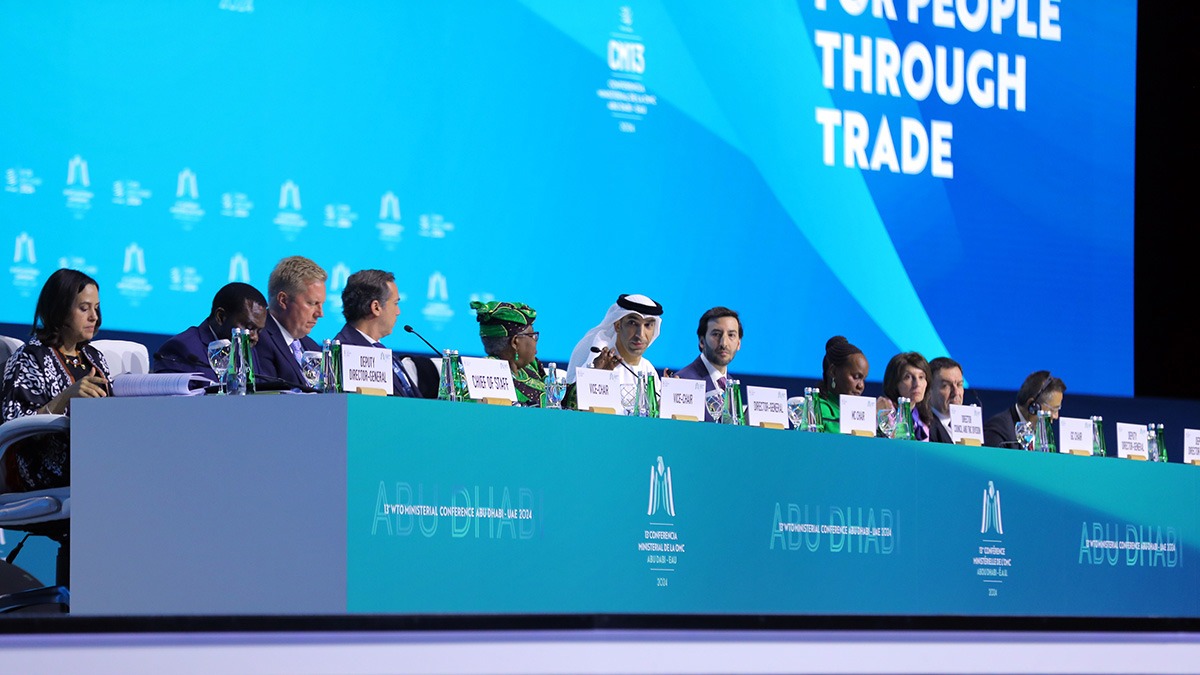
The record projection comes as policymakers prepare for key meetings, including the upcoming World Trade Organisation Ministerial Conference. For developing economies, the record trade levels offer opportunities but also underscore the need for diversified growth to mitigate external shocks.