
Stay connected with BizTech Community—follow us on Instagram and Facebook for the latest news and reviews delivered straight to you.
Broadcom’s shares dropped sharply in after-hours trading after the semiconductor group disclosed that its expanding sales of custom artificial intelligence chips were eroding profit margins, fuelling fresh doubts about the long-term viability of the AI investment surge.

The company, a major supplier of networking and custom processors to tech giants, reported robust quarterly results but cautioned that the shift towards lower-margin bespoke AI accelerators would continue to pressure gross margins in the coming year. Shares fell as much as 11 per cent following the announcement, dragging down related stocks in the sector.
Chief executive Hock Tan acknowledged the trend during the earnings call, noting that demand for tailored chips from key clients had accelerated, outpacing sales of higher-margin standard products. “The custom AI segment is a high-growth area, but it carries a different profitability profile,” Tan said. Broadcom projected fiscal 2025 AI revenue exceeding $12 billion, yet margins are expected to remain compressed.
The results beat analyst expectations on revenue and earnings, with fourth-quarter sales reaching $14.2 billion, a 51 per cent increase year-on-year. However, gross margins declined to 61 per cent from 68 per cent in the prior period, largely due to the product mix shift.
Broadcom also identified Anthropic, the AI start-up backed by Amazon, as its previously unnamed $10 billion customer, underscoring the scale of deals in the custom chip market.
Market Reaction and Broader Concerns
The sell-off extended to peers, with Nvidia shares declining 2 per cent in sympathy and Oracle falling further after its own margin warnings earlier in the week. The Nasdaq Composite, heavily weighted towards technology, is on track for its steepest weekly drop since March.
Read also this: Cisco Acquires EzDubs to Supercharge Real-Time AI Translation
Investors have grown increasingly wary of the massive capital outlays on AI infrastructure by companies including Meta, Alphabet and Microsoft, with questions mounting over when such spending will translate into sustained profits. Broadcom’s commentary has amplified those fears, highlighting how even suppliers at the heart of the boom are facing profitability challenges.
Analysts offered mixed views. Some maintained buy ratings, citing Broadcom’s entrenched position in AI networking and custom silicon, while others highlighted valuation risks, with the stock trading at around 35 times forward earnings.
Industry Implications
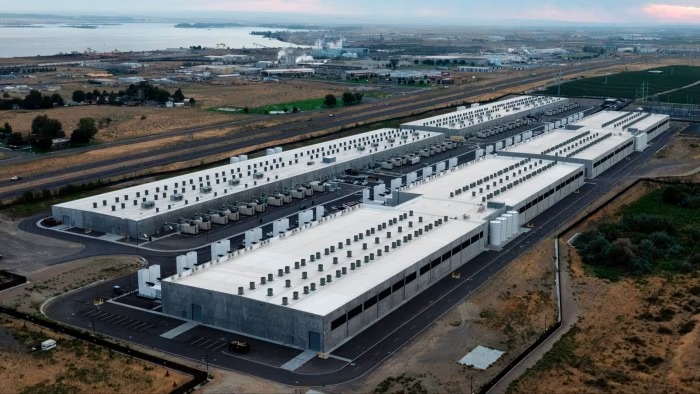
The disclosure comes as hyperscalers commit hundreds of billions to data centres and specialised hardware. Custom chips, designed for specific workloads, offer performance advantages but typically command lower margins than off-the-shelf components.
Broadcom reiterated its commitment to the segment, pointing to long-term contracts and technological leadership. The company is investing in next-generation designs to improve efficiency and recapture some margin expansion.
As the AI sector matures, the focus is shifting from pure growth to profitability and return on investment. Broadcom’s experience may serve as a bellwether for suppliers navigating similar dynamics.