Stay connected with BizTech Community—follow us on Instagram and Facebook for the latest news and reviews delivered straight to you.
As global trade tensions simmer and economic forecasts dim, China is betting big on its “new economy” to weather the storm. In a fresh Reuters analysis dropped this week, the world’s second-largest economy shows resilient pockets of growth in AI-driven tech and the booming “silver economy” for seniors—even as overall activity cools below the government’s 5% target. With first-half GDP clocking in at 5.3% but August data signaling a slowdown, Beijing’s pivot to high-tech innovation and elder-focused consumption could be the lifeline keeping momentum alive amid U.S. tariff threats and domestic headwinds.
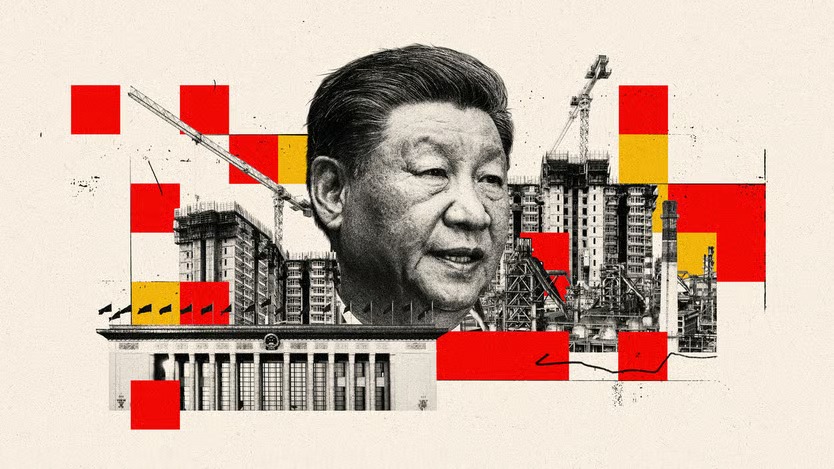
The report, timed perfectly with the National Day holiday buzz, paints a picture of targeted resilience. While retail sales and industrial output dipped in August, sectors like information technology and business services—fueled by massive investments in semiconductors, AI, and robotics—grew over 10% year-on-year in Q2. It’s no accident: Government subsidies and policies are supercharging the “intelligent economy,” from humanoid robots in factories to AI chips powering everything from smart cities to e-commerce algorithms. “This isn’t just survival mode; it’s strategic reinvention,” quipped one Beijing economist during a viral Weibo thread that’s racked up millions of views.
The Intelligent Engine: AI and Robots Revving Ahead
At the forefront is China’s aggressive push into advanced manufacturing. The chart below illustrates the standout performance of IT and business services GDP components, outpacing traditional sectors like real estate and exports since early 2024. Beijing’s funneling billions into industrial robots—over 300,000 installed in 2024 alone—boosting productivity by up to 30% in pilot factories. Take Huawei’s latest AI data centers: They’re not just humming with domestic demand but exporting know-how to Belt and Road partners in Southeast Asia, dodging some U.S. export curbs.
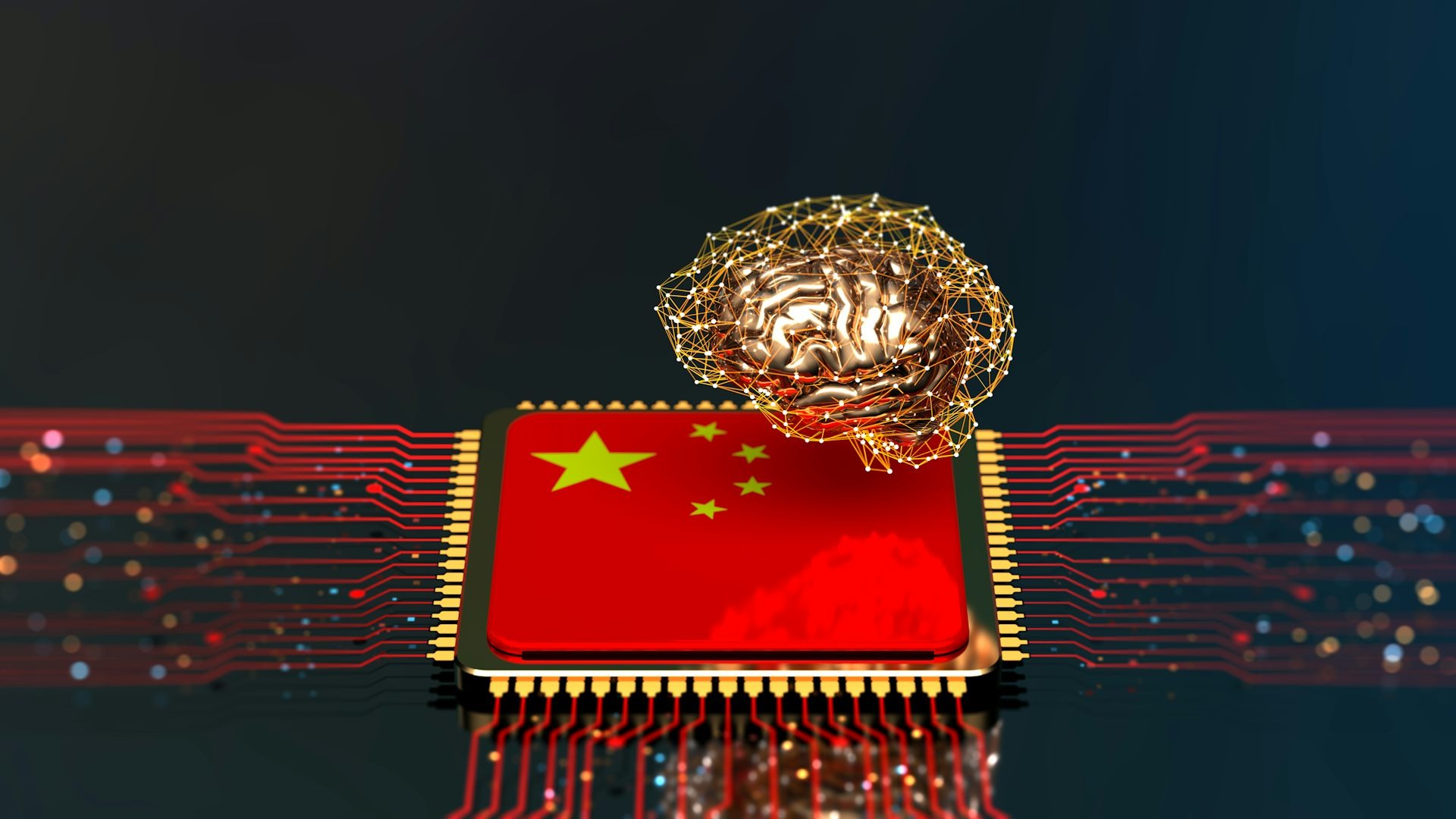
This tech tilt is shielding China from broader woes. As global supply chains fray under potential Trump-era tariffs (rumored at 60% on Chinese goods), the “new economy” emphasizes self-reliance. Semiconductors? Output surged 25% in the first eight months, thanks to state-backed fabs. AI applications? From facial recognition in subways to predictive farming, they’re adding trillions in value. Early indicators suggest this could lift overall growth by 0.5-1% in 2026, per IMF whispers, even if trade wars escalate.
Silver Linings: The $1 Trillion Elder Boom
Then there’s the “silver economy”—a goldmine for an aging powerhouse. With 300 million over-65s (and counting), China’s tapping into elder care, leisure, and health tech to spark consumption. Valued at $1 trillion last year, it’s projected to quadruple to $4 trillion by 2035, according to the State Council. Think AI-powered wearables monitoring vitals, virtual reality gyms for seniors, or Pop Mart’s trendy collectibles flying off shelves to grandmas and grandpas alike—EBITDA margins there hit 25% this quarter, double the consumer sector average.
Read also this: https://biztechcommunity.com/sg/news/china-bolsters-global-ties-through-infrastructure-investments-amid-us-trade-war/
A live demo at the recent China International Fair for Trade in Services showcased it all: Robotic companions chatting in dialects, e-bikes customized for arthritic joints, and apps delivering doorstep tai chi classes. “It’s not pity spending; it’s empowerment,” noted a Shanghai retailer, whose silver-focused sales jumped 40% amid the holiday prep. This wave isn’t just domestic—exports of elder-tech to Japan and Europe are up 15%, turning demographic drag into a global export engine.
Policy Plays and Global Ripples
Beijing’s not leaving it to chance. Fresh stimulus hints include $200 billion in green bonds for robot R&D and tax breaks for silver startups, unveiled at the Third Plenum echo chamber last month. Yet challenges loom: Youth unemployment at 15% risks spilling into social unrest, and deflationary pressures could sap confidence if not checked.
Internationally, it’s a mixed bag. Wall Street’s split—Goldman Sachs upgraded Chinese tech stocks on the “new economy” bet, but JPMorgan warns of a 4.8% growth clip for 2025 if tariffs bite.
Pre-holiday data drops next week could clarify the trajectory, with factory PMIs eyed for rebound signs. As the world grapples with IMF’s tepid 3.3% global growth call and McKinsey’s recession jitters, China’s dual-track strategy—tech firepower meets elder savvy—offers a blueprint for uneven times.
In a year of policy whiplash from Washington to Brussels, this “new economy” narrative reminds us: Growth isn’t dead; it’s just wearing augmented lenses. Whether it pulls China through the clouds or needs bolder fiscal thunder, one thing’s clear—the dragon’s got new wings. Keep watching the robots; they’re steering the ship.