Stay connected with BizTech Community—follow us on Instagram and Facebook for the latest news and reviews delivered straight to you.
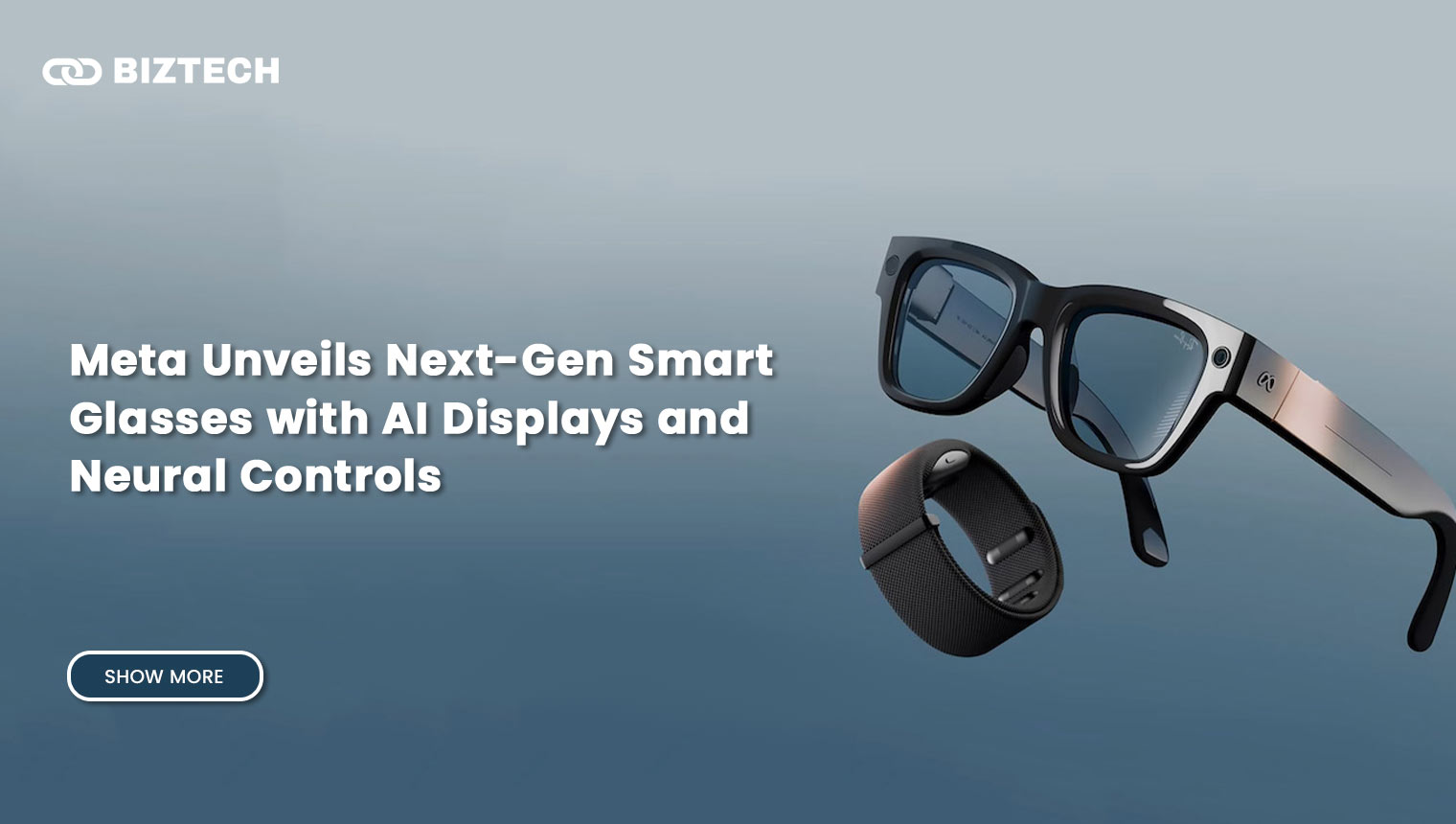
At its annual Meta Connect event, the company pulled back the curtain on a trio of innovative smart glasses, headlined by the Meta Ray-Ban Display and the Oakley Meta Vanguard, designed to blend augmented reality, AI assistance, and seamless wearability into everyday life.
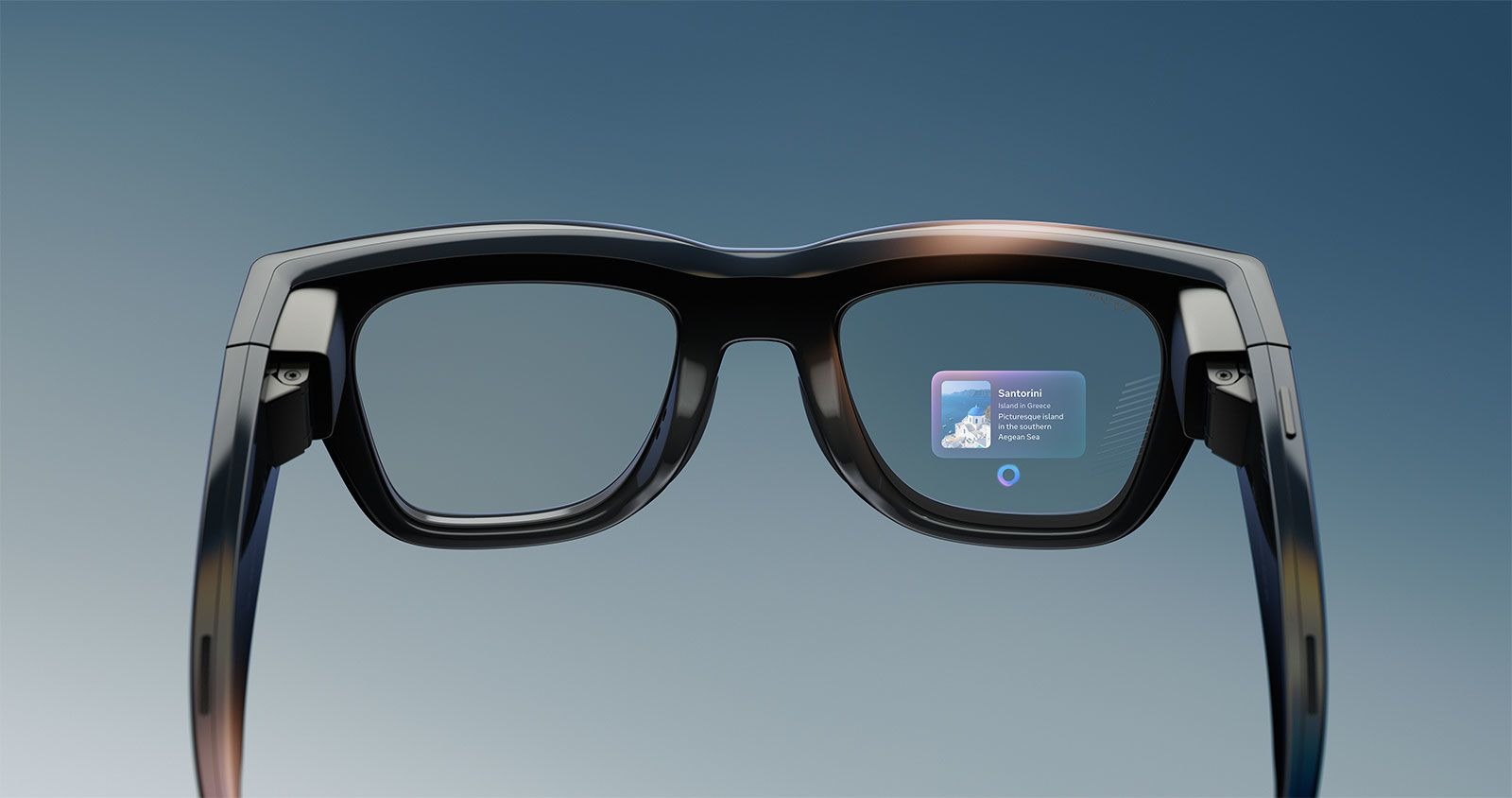
Mark Zuckerberg’s keynote emphasized Meta’s renewed push in hardware and AI, introducing features like heads-up displays for real-time notifications and a groundbreaking wristband controller that interprets neural signals for gesture-based interactions. Priced starting at $299 for the updated Ray-Ban Meta, these launches aim to make AR more accessible while challenging competitors like Apple and Google in the wearables space.
The event, held virtually and in-person at Meta’s headquarters, showcased how the company is leveraging its Llama AI models to power intuitive experiences, from live translation during conversations to athletic performance tracking.
Ray-Ban Meta Display: AI in Your Line of Sight
The Meta Ray-Ban Display, builds on the popular Ray-Ban Meta collaboration with a sleek, display-equipped frame that projects notifications, directions, and AI-generated responses directly into the user’s view. Users can glance at incoming texts, emails, or navigation cues without pulling out a phone, with the glasses’ 14-megapixel cameras capturing photos or videos on command. Integrated with Meta AI, the glasses offer contextual assistance—such as identifying landmarks or suggesting replies—powered by on-device processing for privacy.
At $499, the Ray-Ban Display pairs with the new Meta Neural Band, a wrist-worn controller that detects subtle muscle twitches to enable “air handwriting” for texting or drawing. Zuckerberg demonstrated sketching emojis mid-air during a live demo, highlighting the band’s machine-learning algorithms trained on thousands of gesture patterns. This neural interface, developed in partnership with neural tech firm CTRL-Labs (acquired by Meta in 2019), represents a step toward brain-computer integration without invasive implants.
Oakley Meta Vanguard: AR for the Active Athlete
Catering to fitness enthusiasts, the Oakley Meta Vanguard smart glasses target extreme sports with a rugged, wraparound design featuring IP67 water and dust resistance. Priced at $399, these glasses incorporate Oakley’s PRIZM Lens technology to enhance visibility in harsh conditions—blocking sun, wind, and glare while overlaying real-time metrics like heart rate, pace, and route suggestions via a subtle heads-up display.
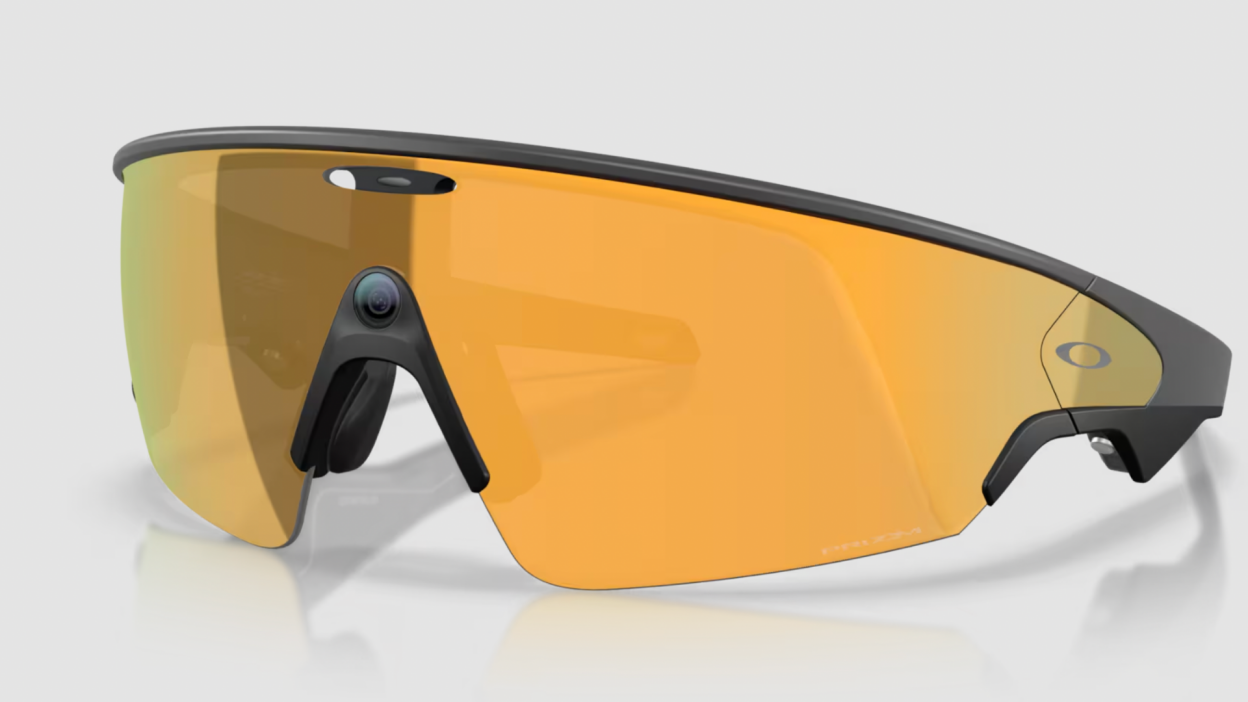
The Vanguard’s AI analyzes workout data from integrated sensors and a connected smartwatch, providing coaching tips like form corrections or hydration alerts. Meta touted its potential for team sports, with multiplayer AR overlays for virtual coaching during soccer or cycling sessions. Early testers praised the lightweight titanium frame, which weighs just 45 grams, making it suitable for marathons or trail runs.
The lineup also includes a refreshed second-generation Ray-Ban Meta at $299, focusing on upgraded audio and battery life without displays, appealing to audio-first users.
Strategic Shifts and Market Reactions
Meta’s announcements come amid intensifying competition in AR/VR, with Apple’s Vision Pro and Google’s Project Astra looming large. By emphasizing affordable, stylish hardware over bulky headsets, Meta aims to normalize AI wearables, projecting 10 million units sold in the first year. The Neural Band, bundled with higher-end models for $799, could disrupt input methods, potentially reducing reliance on voice commands in noisy environments.
Analysts are optimistic but cautious. Wedbush Securities’ Dan Ives called it “a game-changer for Meta’s metaverse ambitions,” noting the glasses’ integration with Instagram and WhatsApp could drive user engagement. However, privacy concerns linger, with the always-on cameras raising data security questions—Meta pledged end-to-end encryption and opt-in features to address them.
The Road Ahead for Wearable AI
These launches signal Meta’s pivot from metaverse hype to practical AI augmentation, aligning with broader industry trends toward multimodal interfaces. As AR glasses evolve from novelties to necessities, Meta’s focus on fashion-forward design and neural tech could capture the mass market. Yet, success will hinge on battery life improvements and regulatory nods for neural data handling.
In a year defined by AI leaps—from DeepMind’s coding triumphs to regulatory sandboxes—Meta Connect 2025 reminds us that the future of technology isn’t just smarter devices, but how intuitively they weave into our senses and movements. Whether these glasses redefine social interaction or join the graveyard of ambitious wearables, one thing is clear: Meta is betting big on eyes-wide-open innovation.