Stay connected with BizTech Community—follow us on Instagram and Facebook for the latest news and reviews delivered straight to you.
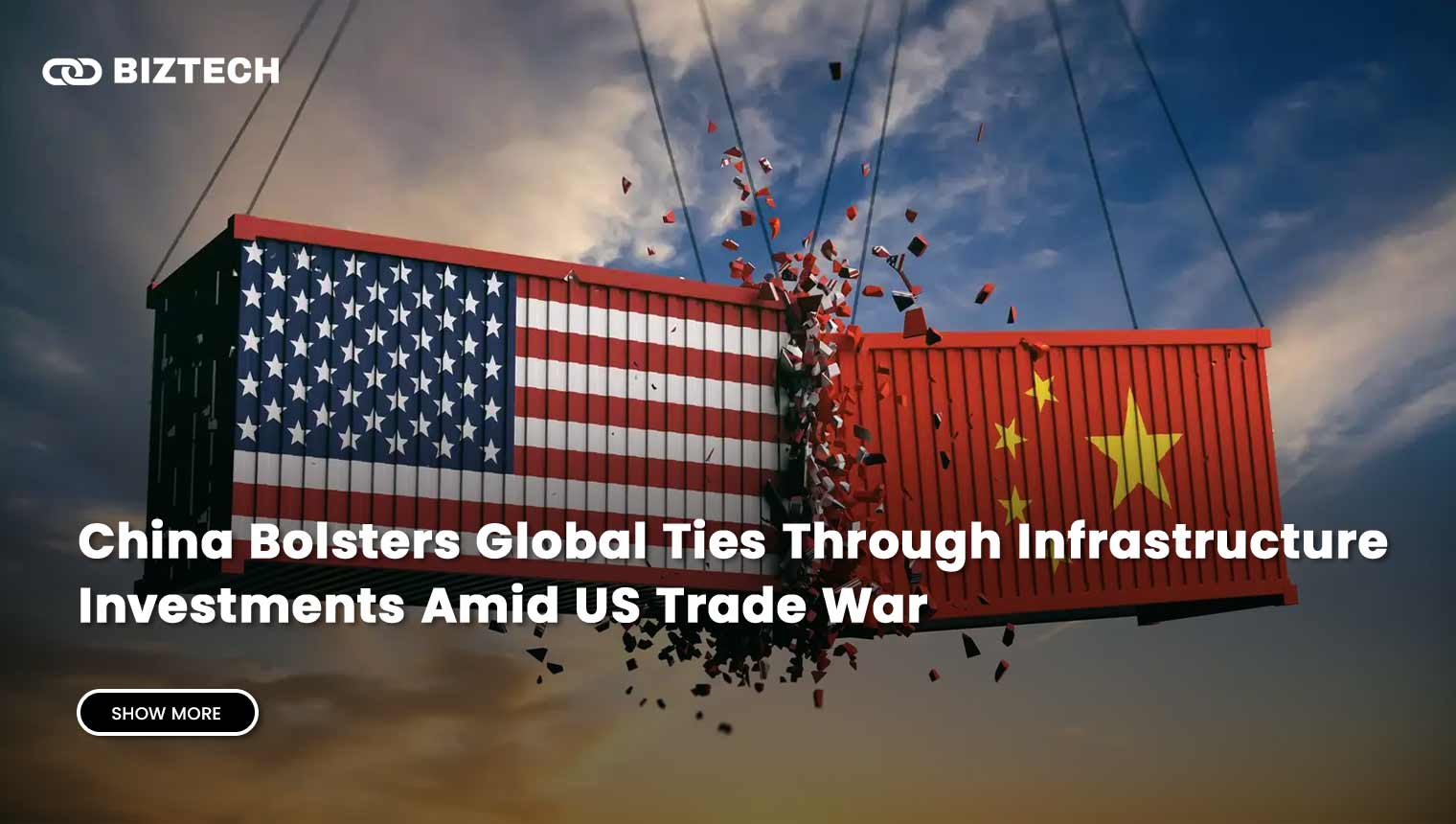
As the trade war between the United States and China intensifies under the Trump administration’s sweeping tariff regime, Beijing is leveraging its decade-long Belt and Road Initiative (BRI) to redirect exports and maintain economic momentum. A New York Times analysis reveals that China’s strategic investments in infrastructure across developing nations have created vital new markets, helping to offset the impact of astronomical US tariffs imposed earlier this year. This shift underscores China’s resilience strategy, focusing on deepening ties in Asia, Africa, and Latin America to sustain growth despite bilateral tensions.
The report, published amid ongoing negotiations, highlights how China has avoided a full trade shutdown by pulling back from the most extreme measures while quietly fortifying alternative pathways. Policymakers in Beijing have implemented mixed domestic stimulus, but the real buffer lies in overseas expansion, allowing China to keep its economy humming even as US demands mount.
Infrastructure as a Trade Lifeline
Over the past decade, China has poured billions into building roads, ports, railways, and energy projects in more than 140 countries through the BRI. These investments, often framed as mutual development partnerships, have not only boosted China’s influence but also opened doors for exporting goods that might otherwise face US barriers. In 2025 alone, BRI-related trade has surged, with exports to partner nations rising by an estimated 15-20% year-over-year, according to preliminary data from Chinese customs authorities.
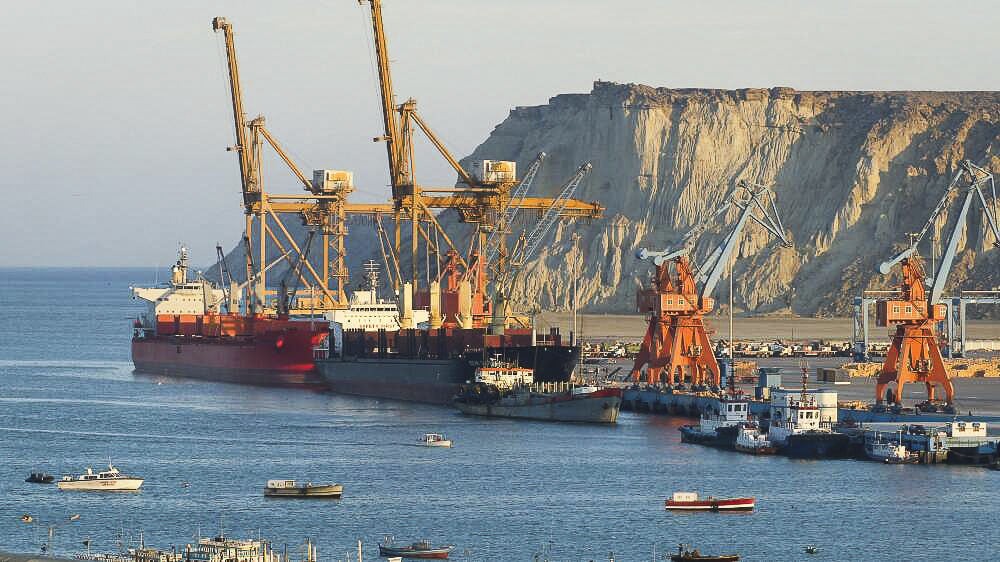
Key examples include massive port developments in Pakistan’s Gwadar and Sri Lanka’s Hambantota, which facilitate smoother shipping routes to South Asia and the Middle East. In Africa, high-speed rail projects in Kenya and Ethiopia have enhanced connectivity, turning these regions into reliable outlets for Chinese manufactured goods. Latin America has seen similar gains, with investments in Brazilian ports and Argentine infrastructure helping to reroute electronics and machinery away from North American markets.
This infrastructure diplomacy has proven crucial as US tariffs—reaching up to 60% on Chinese imports—have disrupted traditional supply chains. By fostering economic dependencies, China ensures preferential access, often through favorable loan terms or joint ventures that prioritize Chinese firms. The strategy has allowed Beijing to maintain a trade surplus globally, even as US-China bilateral trade volumes dipped by 25% in the first half of 2025.
Domestic Challenges and Global Ramifications
While external diversification provides a cushion, China’s domestic economy faces hurdles. Stimulus measures, including interest rate cuts and fiscal spending, have yielded uneven results, with manufacturing output growing modestly at 4.5% in the third quarter. Consumer confidence remains subdued due to property sector woes and youth unemployment, prompting tighter media controls to manage public discourse on the trade war’s costs.
The broader international economy feels the ripple effects. Developing countries benefiting from BRI projects gain infrastructure boosts but risk debt dependencies, echoing criticisms of “debt-trap diplomacy.” For the US and its allies, China’s pivot exacerbates supply chain fragmentation, potentially inflating global prices for electronics and renewables. The IMF has noted that such trade rerouting could shave 0.5 percentage points off global growth in 2026 if tensions persist.
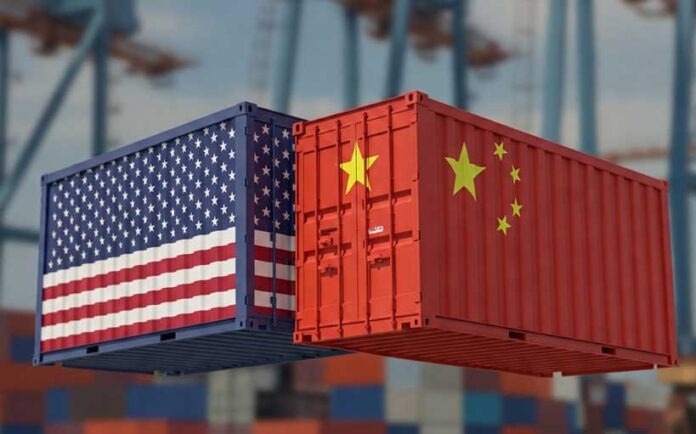
Experts warn that without de-escalation, the trade war could evolve into a full decoupling, harming all parties. Yet, China’s approach—blending hard infrastructure with soft power—positions it to weather the storm better than anticipated, potentially reshaping global economic alliances for years to come.
As world leaders prepare for upcoming G20 discussions, Beijing’s playbook offers a lesson in adaptive economics: in an era of uncertainty, building bridges—literally—can be the ultimate trade weapon.