Stay connected with BizTech Community—follow us on Instagram and Facebook for the latest news and reviews delivered straight to you.
Apple has sold 3 billion iPhones since launching the device in 2007, CEO Tim Cook announced during the company’s Q3 earnings call on Thursday — a staggering milestone that reinforces the iPhone’s position as the most successful consumer electronics product in history.
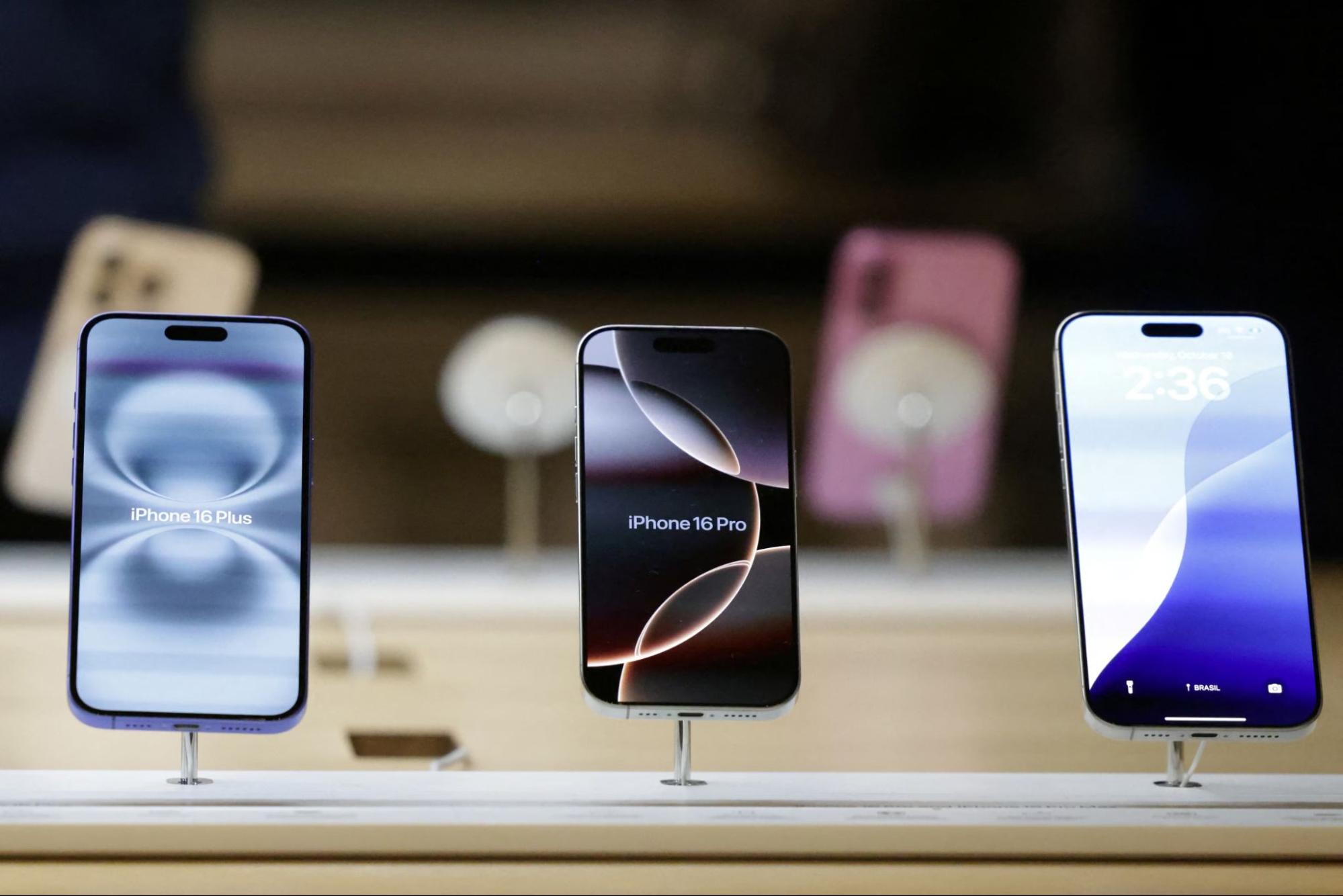
The achievement comes almost nine years after Apple sold its first billionth iPhone in 2016. The next two billion were sold in roughly the same time span — a testament to the product’s global popularity and accelerating adoption, especially among younger demographics in key markets like the U.S. and China.
iPhone Sales Surge—For Now
Apple reported $44.6 billion in iPhone revenue this quarter, a 13% year-over-year increase, beating Wall Street expectations. iPhones accounted for nearly half of the company’s $94 billion in total quarterly revenue.
While the sales surge is worth celebrating, some analysts warn it may be short-lived. Bloomberg’s Mark Gurman speculated that fears of potential price hikes due to former President Donald Trump’s proposed tariffs may have driven consumers to upgrade ahead of schedule.
Dominant, But Vulnerable
Despite the numbers, Apple’s longer-term position is less secure. The company has faced growing criticism around its sluggish AI strategy, its uninspiring design direction, and an unclear roadmap beyond the smartphone. Even Eddy Cue, Apple’s head of services, acknowledged that “you may not need an iPhone 10 years from now.”
That’s a jarring admission from a company where the iPhone remains the crown jewel. The product has become increasingly central to Apple’s entire ecosystem — from app revenue and services to wearables and accessories.
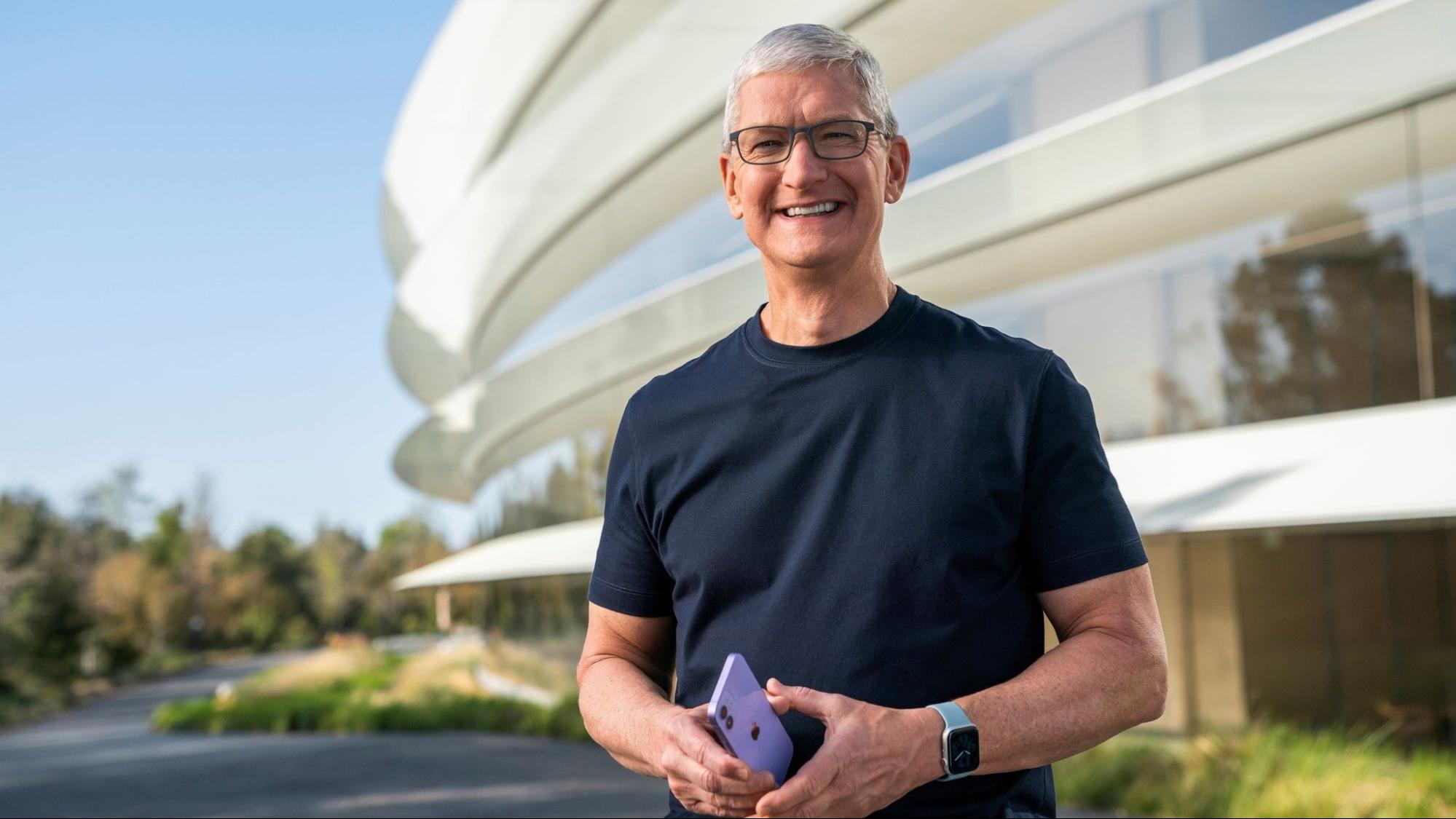
“We’re thinking about other things as well,” Cook said during the call when asked about what comes after the smartphone. He noted that new technologies are likely to be complementary, not replacements — at least for now.
AI and the Future of the Platform
Apple’s challenge isn’t just technological. Rivals like Nvidia and Microsoft have surged ahead in market capitalization, thanks largely to their aggressive bets on generative AI — a space where Apple has lagged. Internally, Apple’s initial AI features have been seen as underwhelming compared to competitors like OpenAI and Google.
Meanwhile, startup efforts like the rumored AI hardware collaboration between Sam Altman and Jony Ive are already generating buzz — and potentially offering a glimpse of what could disrupt Apple’s grip on mobile hardware in the years ahead.
Read also: Apple Accelerates Development of Smart Glasses Chips, Eyes Competition With Meta
Still, 3 Billion Is No Small Feat
Despite the headwinds, Apple’s track record in hardware, brand loyalty, and software integration remain formidable. The iPhone has evolved from a luxury tech gadget into a global utility — a mainstay in communication, commerce, education, and entertainment.
But as Apple eyes its fourth billion, it must confront a central paradox: the more successful the iPhone becomes, the harder it is to move beyond it.