Stay connected with BizTech Community—follow us on Instagram and Facebook for the latest news and reviews delivered straight to you.
The United Nations has forecasted a slowdown in global economic growth to 2.7 per cent in 2026, down from 2.8 per cent in 2025, citing escalating trade barriers and policy uncertainties as key drags on expansion. The projection, released in the World Economic Situation and Prospects 2026 report, highlights a resilient but fragile outlook, with advanced economies like the US bucking the trend while emerging markets face headwinds from tariffs and commodity price volatility.

The UN’s analysis highlights the lingering effects of US President Donald Trump’s tariff policies, which are expected to reduce global trade volumes and increase costs for consumers and businesses. “The drag from trade restrictions will become more evident this year,” the report states, estimating that tariffs could shave up to 0.5 percentage points off worldwide growth if escalations continue. This comes amid broader concerns over inflation, fiscal strains and geopolitical tensions, including conflicts in the Middle East and Ukraine.
Despite the moderation, the UN anticipates a rebound to 2.9 per cent in 2027, driven by easing monetary policies and productivity gains from artificial intelligence. Developing economies are projected to grow at 3.9 per cent in 2026, down from 4.1 per cent, while advanced nations hold steady at 1.8 per cent.
Key Drivers and Regional Variations
The slowdown is attributed to a combination of factors, including higher-for-longer interest rates in major economies and uneven recovery from the pandemic. In the United States, growth is forecast at 2.3 per cent, supported by consumer spending and AI investments, but tempered by tariff impacts on imports. The eurozone is expected to expand by 1.4 per cent, with Germany facing particular challenges from energy costs and export declines.
China’s economy is projected to cool to 4.5 per cent, as domestic demand struggles amid property sector woes and deflationary pressures. India, however, is seen as a bright spot, with growth at 6.2 per cent driven by manufacturing and services.
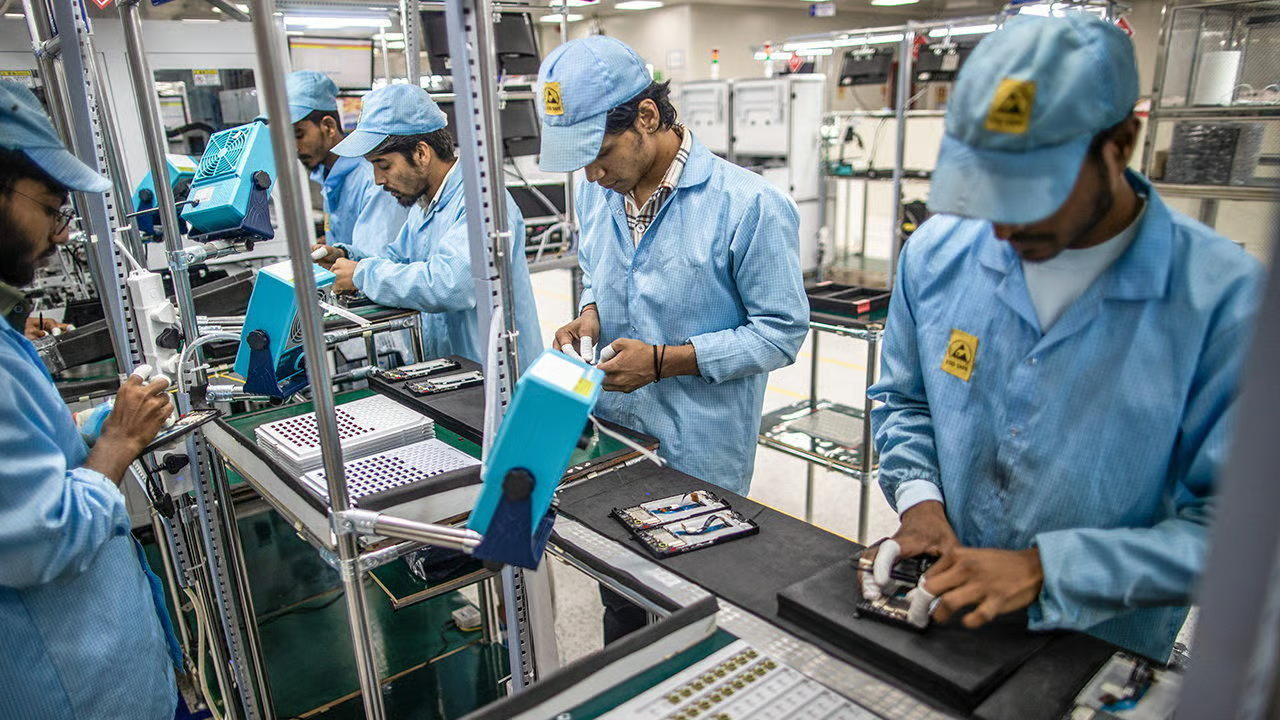
Commodity-dependent regions like Latin America and Africa face risks from price fluctuations, with oil exporters benefiting from stable demand but metals producers hit by slowdowns in construction and electronics.
The report emphasises the role of AI in cushioning some impacts, noting that digital trade grew 12 per cent in 2025, outpacing goods. However, unequal access to technology could widen global divides, with developing nations lagging in adoption.
Policy Challenges and Recommendations
Fiscal vulnerabilities are a major concern, with public debt levels in advanced economies approaching 120 per cent of GDP. The UN calls for targeted investments in green infrastructure and education to boost productivity, alongside reforms to multilateral institutions like the IMF to better support low-income countries.
Trade fragmentation remains a top risk, with the agency urging dialogue to prevent a spiral of retaliatory measures. “Coordinated policies are essential to mitigate downside risks and foster inclusive growth,” said UN economist Hamid Rashid, the report’s lead author.
Read also: China Achieves Record $1 Trillion Trade Surplus Amid Calls for Rebalancing
Inflation is expected to moderate to 3.1 per cent globally, allowing central banks room for easing, but persistent pressures from energy and food could complicate the path.
Markets have reacted cautiously, with global indices showing modest gains amid year-start optimism. Investors are monitoring upcoming data releases, including US jobs figures and eurozone PMI surveys, for further clues.
As 2026 unfolds, the UN’s outlook serves as a call to action for policymakers to address imbalances and harness technology for sustainable progress. While resilience has carried the economy thus far, unaddressed risks could tip the balance toward stagnation.