Stay connected with BizTech Community—follow us on Instagram and Facebook for the latest news and reviews delivered straight to you.
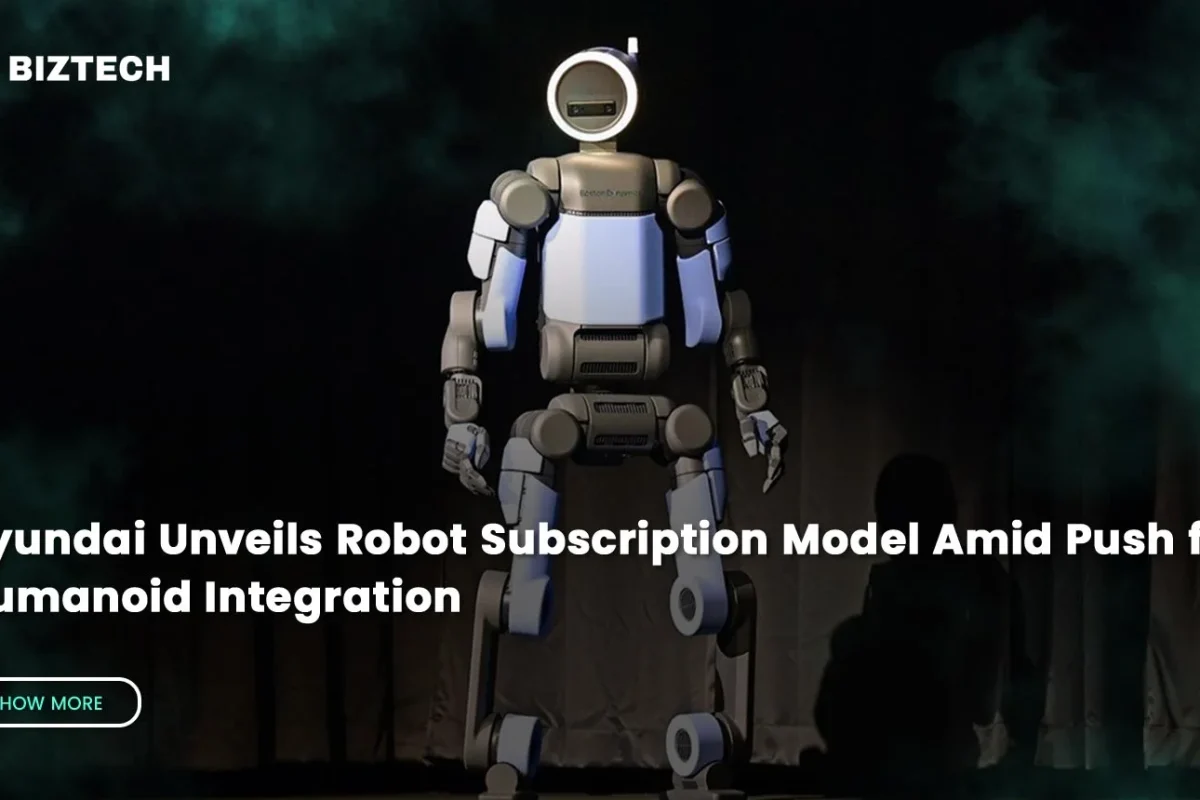
Hyundai has expanded its vision for humanoid robotics at CES 2026, introducing a subscription-based model for its advanced robots that goes beyond traditional hardware sales. The South Korean automaker, known for its ventures into mobility and manufacturing, showcased how these robots could be leased regularly, allowing businesses to access cutting-edge automation without high upfront costs. The announcement, made during the company’s keynote on Wednesday, positions Hyundai as a key player in the burgeoning humanoid robot market, projected to reach $38 billion by 2030.
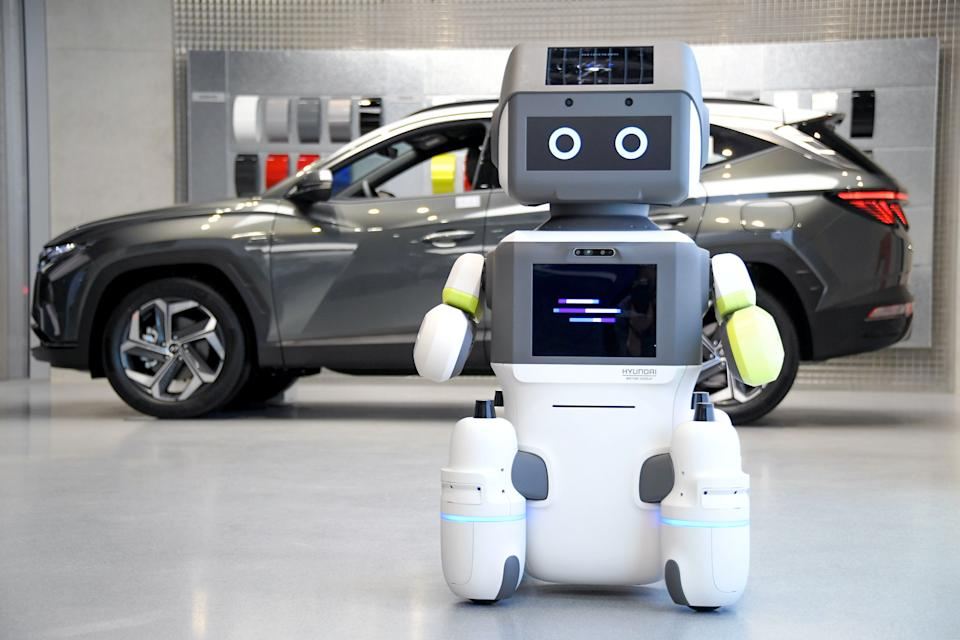
The subscription service includes regular software updates, maintenance and performance optimisations, enabling robots to adapt to evolving tasks in warehouses, factories and even service industries. Hyundai’s Boston Dynamics division, acquired in 2021, demonstrated the Atlas robot performing complex maneuvers, such as package handling and dynamic navigation, powered by AI-driven learning algorithms.
“This is not just about building robots; it’s about creating a flexible ecosystem where technology evolves with your needs,” said Hyundai Robotics President Jun Ji-yoon during the presentation. The move aligns with broader trends in tech, where subscription models have become standard for software and are now extending to hardware amid the AI boom.
Technical Features and Applications
The robots feature advanced AI integration, including real-time environmental mapping using LiDAR and computer vision, allowing for seamless operation in unstructured settings. Subscription tiers range from basic mobility packages at $5,000 per month to premium plans with custom AI training at $20,000, tailored for industries like logistics and healthcare.
Read also: Google Chronicles 2025 AI Breakthroughs in Comprehensive Year-End Review
Hyundai highlighted partnerships with Amazon Robotics and Boston Dynamics to enhance interoperability, enabling the robots to integrate with existing warehouse systems. A live demo showcased the robot collaborating with human workers, utilising natural language processing to respond to voice commands and dynamically adjust workflows.
The technology addresses labour shortages in manufacturing, where global demand for automation has surged 25 per cent year-on-year, according to the International Federation of Robotics. However, concerns over job displacement persist, with unions calling for safeguards in the deployment process.
Market and Competitive Landscape
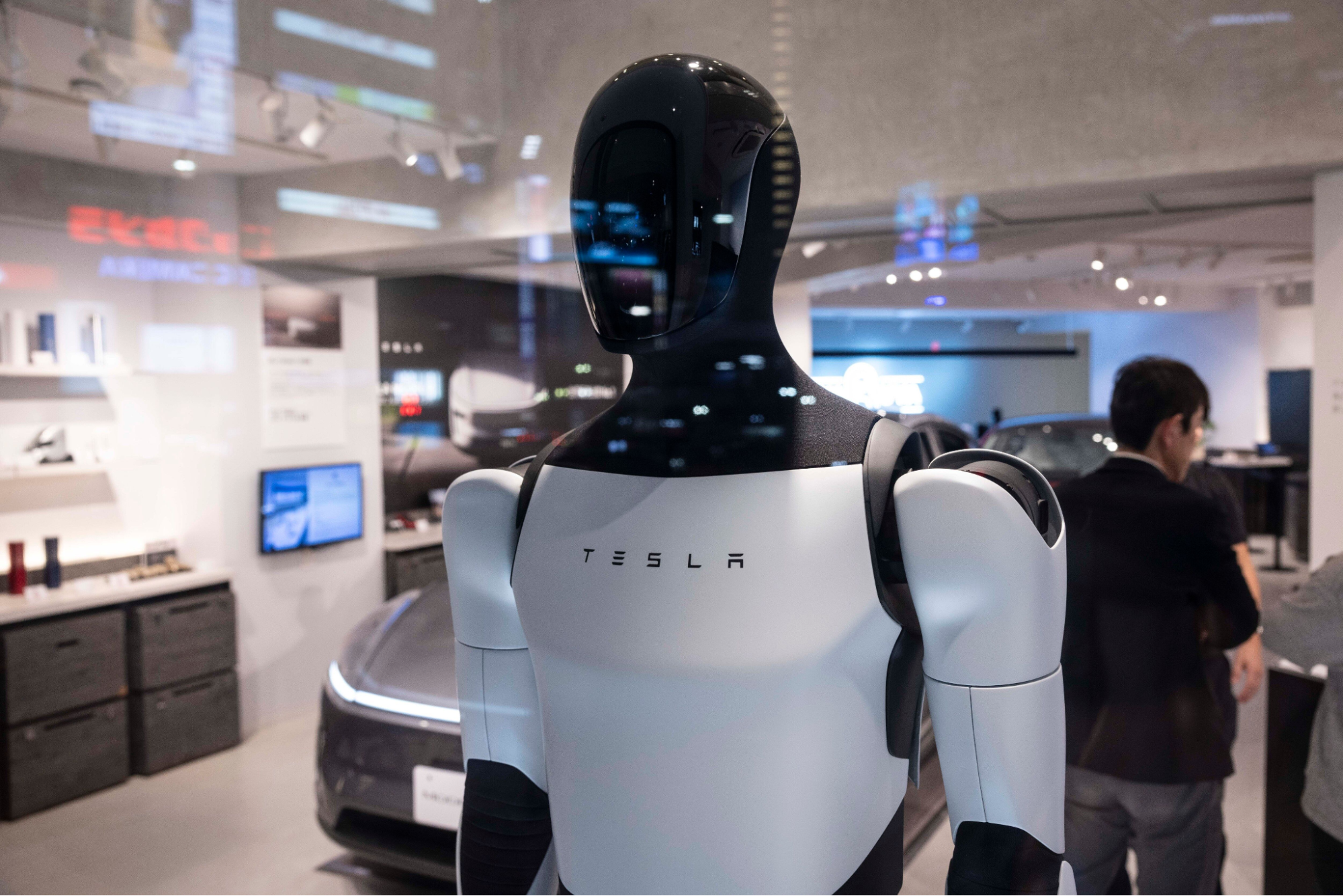
The announcement comes as the humanoid robot sector heats up, with competitors like Tesla’s Optimus and Figure AI raising billions in funding. Hyundai’s subscription approach differentiates it by lowering entry barriers for small and medium enterprises, potentially accelerating adoption.
Analysts view this as a strategic pivot for Hyundai, leveraging its automotive expertise in precision engineering to capture a slice of the $150 billion robotics market. Shares in Hyundai Motor rose 2.8 per cent in Seoul trading following the news, reflecting investor optimism about recurring revenue streams.
Regulatory hurdles remain, particularly in Europe under the AI Act, which classifies high-risk robotics with strict safety requirements. In the US, the Occupational Safety and Health Administration is reviewing guidelines for human-robot collaboration.
Environmental impacts are also under scrutiny, as the production and operation of such robots contribute to electronic waste and energy consumption. Hyundai pledged to use sustainable materials and renewable energy in manufacturing.
As CES 2026 continues, Hyundai’s model signals a shift towards service-oriented robotics, blending hardware with AI subscriptions. For businesses, it promises agility; for the economy, it could redefine labour markets in the AI age.