Stay connected with BizTech Community—follow us on Instagram and Facebook for the latest news and reviews delivered straight to you.
Investors are grappling with mounting concerns that the artificial intelligence boom may be inflating a financial bubble, as volatility returns to global stock markets following a brief rally on strong earnings from chipmaker Nvidia. The S&P 500 index, which surged nearly 40 per cent from its April low to an October peak driven by tech gains, has since shed about 5 per cent from that high, marking its worst slide since early spring.
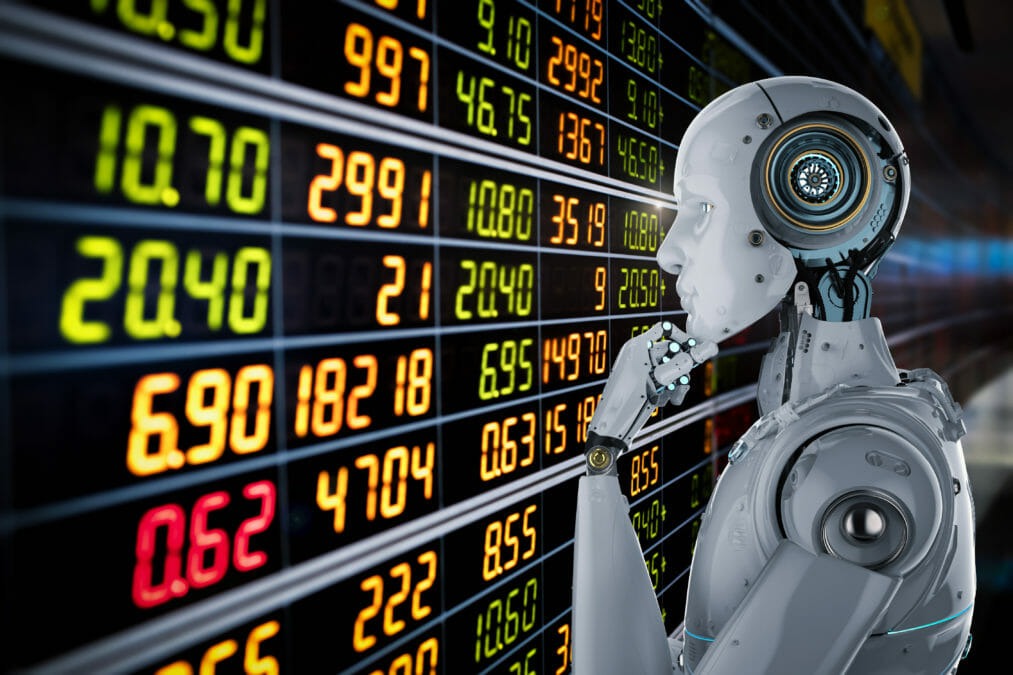
The unease stems from questions over the sustainability of massive capital expenditures in AI infrastructure, with tech giants like Microsoft, Amazon, Meta and Alphabet committing hundreds of billions of dollars to data centres and computing power. While Nvidia’s latest results—reporting a 94 per cent revenue jump—sparked a temporary lift, analysts warn that the pace of spending may outstrip near-term returns, echoing dot-com era excesses.
“This is not just hype; it’s a fundamental question of whether the AI revolution will pay off before the bill comes due,” said Joe Rennison, markets correspondent for the Financial Times, in analysis published this week. The technology sector, responsible for over 70 per cent of the S&P’s gains this year, now faces scrutiny as interest rates remain elevated and economic growth forecasts are tempered at 3.2 per cent globally for 2025, per the IMF.
Surging AI Capex and Market Jitters
Major players have escalated their AI bets. Meta guided for $70-72 billion in capital expenditure for 2025, while Alphabet lifted its forecast to $91-93 billion, citing a $155 billion cloud backlog. Amazon secured multi-gigawatt power deals, and Microsoft flagged capacity constraints amid 40 per cent Azure growth. These investments, totalling around $350 billion in US data-centre spending alone this year, aim to fuel “superintelligence” pursuits but have raised red flags over energy demands and profitability timelines.
Read also this: Amazon and Walmart Signal AI-Driven Job Shifts: Layoffs and Stagnant Hiring Amid Efficiency Push
On Friday, the S&P 500 climbed 1 per cent but closed nearly 2 per cent below Monday’s open, reflecting broader swings. The Nasdaq, heavily weighted towards AI stocks, dropped 1.5 per cent in the same period. In Asia, Tokyo’s Nikkei fell 0.8 per cent on similar concerns, while London’s FTSE held steady amid diversified holdings.
Experts point to parallels with past bubbles. “The AI narrative is compelling, but valuations are stretched—Nvidia trades at 50 times forward earnings,” noted River Akira Davis, an equities strategist in Tokyo. Eshe Nelson, reporting from London, highlighted European markets’ relative insulation, with the Stoxx 600 up 0.2 per cent, buoyed by non-tech sectors.
Policy and Industry Responses
Regulators and policymakers are monitoring closely. The US Federal Reserve has signalled vigilance on tech lending risks, while the European Central Bank warned of “AI-induced inflation” from energy strains. In China, where AI firms like DeepSeek are advancing with cost-efficient models, state media praised self-reliance but cautioned against overinvestment.

Industry leaders defend the outlays. Nvidia CEO Jensen Huang reiterated during earnings calls that “AI is the most important technology of our time,” projecting sustained demand. However, a chorus of voices, including hedge fund manager Michael Burry, has dubbed it an “AI bubble,” urging caution.
As markets stabilise post-earnings, the focus shifts to December’s Federal Open Market Committee meeting, where rate cut expectations could either soothe or exacerbate volatility. For now, the AI gold rush continues, but investors are increasingly asking: At what cost?