Stay connected with BizTech Community—follow us on Instagram and Facebook for the latest news and reviews delivered straight to you.
OPEC+ has postponed a planned increase in oil production until December, opting to maintain current output levels amid softening global demand and falling prices. The decision, announced on Wednesday by the cartel’s ministerial monitoring committee, reflects growing unease over economic headwinds, including sluggish growth in major consumers like China and the US. Brent crude futures dipped 2.5% to $71.20 per barrel following the news, extending a four-week slide that has erased much of the year’s gains.
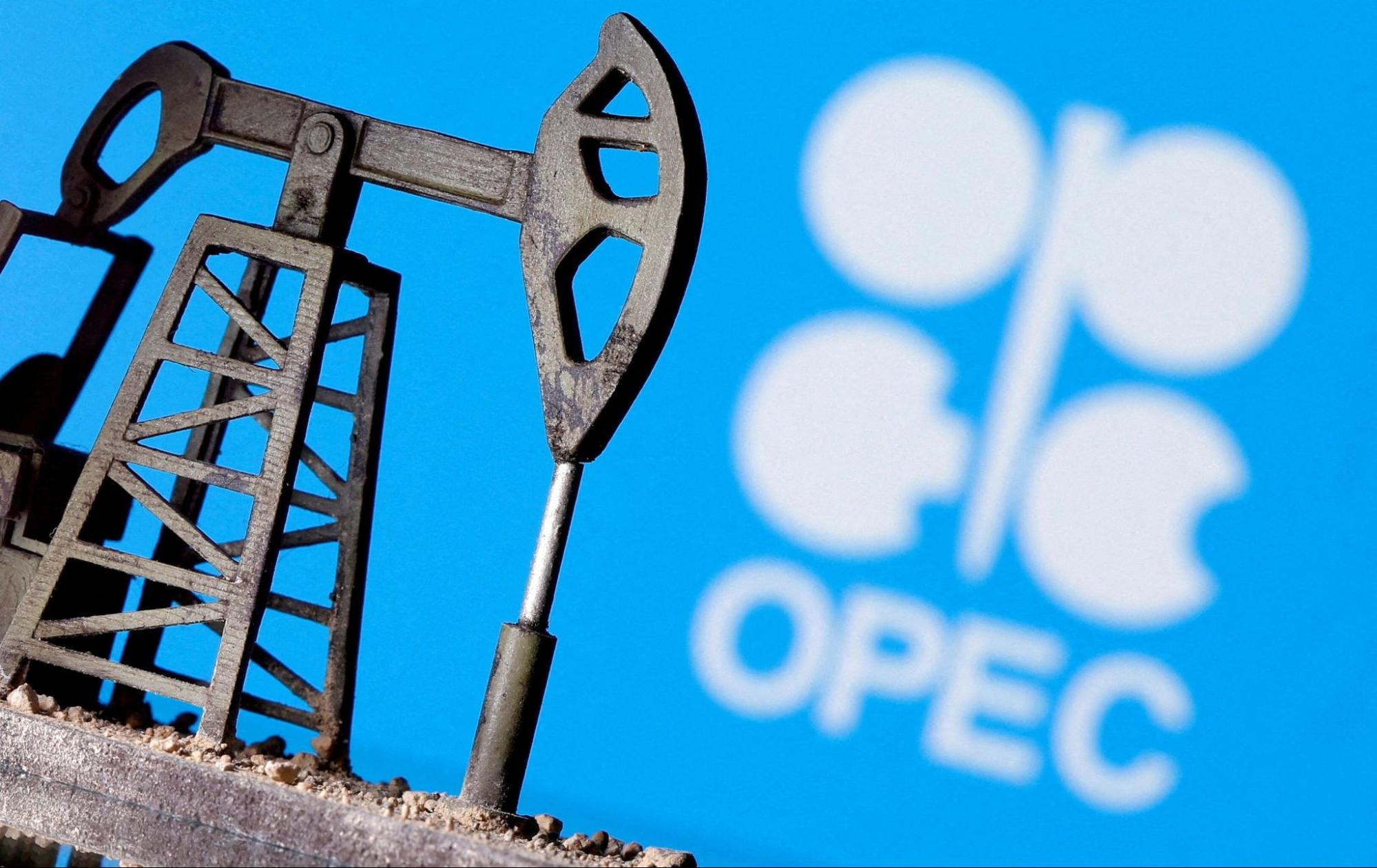
The eight-nation alliance, which includes heavyweights Saudi Arabia and Russia, had initially scheduled a 180,000 barrels-per-day hike for November as part of a gradual unwind of voluntary cuts totalling 2.2 million barrels per day. However, delegates cited “volatile market conditions” and the need for “stability” in their statement, signalling a cautious approach as inventories build and non-OPEC+ supply—led by the US and Brazil—rises. Saudi Energy Minister Prince Abdulaziz bin Salman described the move as “prudent,” emphasising the group’s commitment to balancing supply with actual demand.
Market Dynamics and Economic Backdrop
The delay underscores the fragility of the oil market, where prices have fluctuated wildly this year. A weaker-than-expected Chinese economic rebound—GDP growth of 4.6% in Q3, below the 5% target—has curbed fuel consumption, while US Federal Reserve signals of fewer rate cuts have dampened industrial activity. The International Energy Agency’s latest report forecasts a surplus of 700,000 barrels per day in 2026, pressuring producers to restrain output to avoid a deeper price slump.
Read also: The Fed is Getting Closer to Cutting Rates Since Inflation is Slowing Down
In the US, where shale production hit a record 13.4 million barrels per day, the decision could provide a short-term floor for prices, benefiting domestic drillers. However, it risks straining relations within OPEC+, with non-compliant members like Iraq and Kazakhstan facing scrutiny over quota overruns. European refiners, already grappling with high storage levels, welcomed the restraint, though analysts warn of potential volatility if geopolitical tensions in the Middle East escalate.
The broader economic implications are significant. Oil accounts for about 3% of global inflation, and sustained low prices could ease pressure on central banks but erode revenues for exporters like Nigeria and Angola, where fiscal budgets hinge on crude sales. The World Bank’s October update projects global growth at 2.6% for 2025, with energy transitions adding complexity as electric vehicle adoption accelerates demand destruction.
Policy Responses and Outlook
OPEC+ will reconvene in December to reassess, with markets watching for signs of deeper cuts if prices breach $70. The US Energy Department has urged allies to tap strategic reserves if needed, while the EU’s green deal pushes for diversified energy sources. UK Chancellor Rachel Reeves, speaking at a London energy forum, called for “coordinated international efforts” to stabilise commodities without undermining climate goals.
As winter demand peaks and US elections loom—potentially influencing export policies—the OPEC+ pivot highlights the oil sector’s vulnerability to macroeconomic shifts. For consumers, cheaper fuel offers relief; for producers, it’s a reminder that in an era of renewables, supply discipline is the new black gold.