Stay connected with BizTech Community—follow us on Instagram and Facebook for the latest news and reviews delivered straight to you.
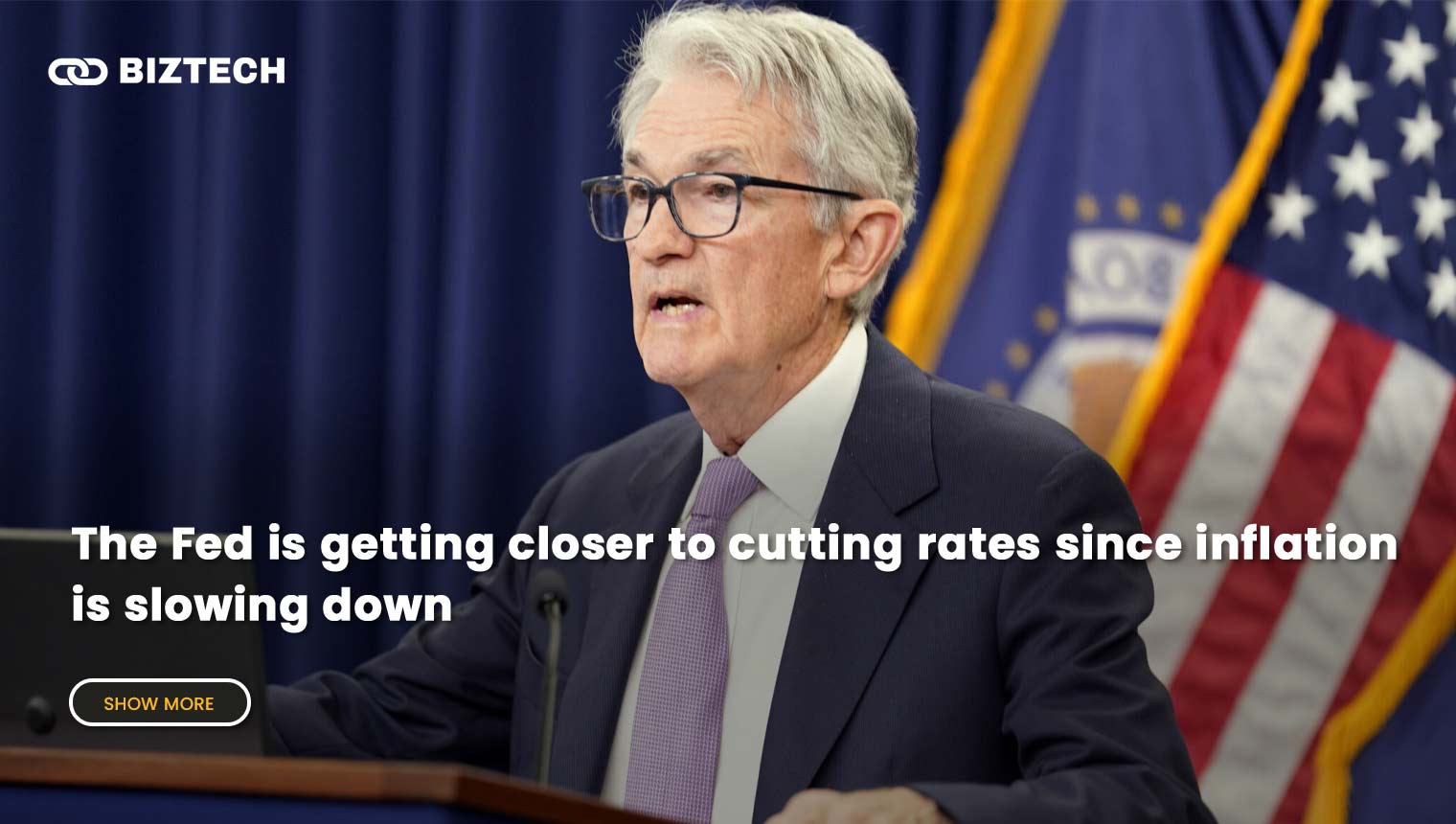
The Federal Reserve’s long-awaited move toward easing monetary policy gained new strength on October 24, 2025, when the Consumer Price Index (CPI) report for September showed that inflation was cooling more than expected. This made markets even more sure that there would be a 25-basis-point cut at the policy meeting on October 28–29. The headline CPI went up 0.3% from the previous month, which was less than the 0.4% projected. The core inflation rate, which does not include food and energy, went up only 0.2%, the lowest rate in three months.
This brought the annual rate to a steady 3.0%, which was less than the 3.1% that was expected. This data, which was softer than expected and came out during the continuing U.S. government shutdown, has led to more dovish wagers.
Futures markets are pricing in a near-certain quarter-point cut next week and another one in December, which could decrease the fed funds rate to 3.75%–4.00% by the end of the year.
But when Treasury rates fall below 4% and the currency weakens versus the euro, the Fed’s optimism is tempered by the concerns that Trump’s tariff increases will continue, consumer confidence will continue to fall, and the shutdown will leave gaps in data. The Fed is now at a critical crossroads between controlling prices and avoiding a recession.
Inflation Slows Down: CPI and Core Numbers are Better than Expected
The Bureau of Labor Statistics (BLS) gave a timely—if late—snapshot of falling price pressures in September. This showed that previous rate hikes had worked in a strong economy. The headline CPI rose 0.3% from August, which was less than the 0.4% consensus. The core CPI rose 0.2%, which was the smallest monthly growth since June and less than the expected 0.3%. Both metrics stayed at 3.0% for the year, which was higher than August’s 2.9% headline but lower than the 3.1% forecast. This was because shelter costs, which make up a third of the basket, only went up 0.2% each month, the slowest rise since early 2021.
Gas prices went up 4.1%, which helped push the headline up, but other factors, such a 0.4% decline in used car costs and no change in service inflation (excluding shelter), kept it from going higher. BlackRock’s Gargi Chaudhuri stated, “Today’s CPI confirms inflation’s slow but steady descent.” She pointed to the 0.1% drop in owners’ equivalent rent as a sign that housing pressures are easing. The BLS hurried to disclose it even though the government was shut down since it is the basis for the 2.8% COLA increase for Social Security beneficiaries in 2026.
Markets Cheerful Dovish Signals: Stocks Go Up, Yields Go Down, Dollar Weakens
The report’s dovish tone spread to other assets, confirming the Fed’s plan to lower rates and putting an end to inflation hawks. U.S. stocks went up a lot: the Dow Jones rose 1.17%, the Nasdaq 100 rose 1.14%, and the S&P 500 rose 0.89%. Tech and real estate stocks, which are sensitive to interest rates, led the way. The yield on the 10-year Treasury fell below 4% to 3.98%, its lowest level since July. This suggests that people are betting on continued cuts through 2026. The CME FedWatch Tool shows that there is a 99% chance of a 25 bps drop in October and a 71% chance of a follow-up cut in December.
The dollar fell against the euro (EUR/USD rose from 1.1580), while the DXY index fell 0.3% to 100.45. Jason Pride of Glenmede says that “lower inflation and rising rate-cut odds had an immediate impact.” He sees the statistics as a “green light” for focusing on the labor situation. On X, @zerohedge joked, “CPI cooler than expected—Fed’s Powell gets his dovish dove,” and the tweet got 15,000 likes and 2 million views.
Tariffs, Gaps in Shutdown Data, and a Drop in Consumer Confidence
There are still problems, even though things are better. Trump’s tariffs on Chinese imports, which are 100% in response to limits on rare earth exports, might cause inflation in goods. S&P Global estimates that business costs will rise by $1.2 trillion in 2025, with 80% of the cost passing on to consumers. According to Goldman Sachs, Procter & Gamble and O’Reilly Automotive have both reported margin squeezes that might raise the core CPI by 0.07 percentage points. Mark Zandi of Moody’s says, “Inflation is uncomfortably high and set to speed up,” because tariffs are messing up supply networks.
The shutdown makes things even more uncertain: The Fed may not be able to see any data if the NFPs and CPI for November are delayed, as White House officials say further releases are “unlikely.” According to the University of Michigan’s October measure, consumer confidence fell to 53.6, down 1.5% from September’s 55.1 and the lowest since May. This was because of anxiety about inflation (41% say it is their main concern) and employment worries, with long-term expectations rising to 3.9%. “Sentiment is drifting near historic lows,” says Joanne Hsu, because high prices are making wage gains less important.
The Fed Needs to Find a Balance Between Easing and New Threats
The Fed’s benchmark is 4% to 4.25%, and it faces a split economy: inflation is cooling (core PCE is expected to be 2.6% in 2026), yet labor is softening (ADP’s 32,000 job loss) and there are tariff threats. The markets expect two additional 25 bps cuts in 2025 (to 3.5%-3.75%) and at least one in 2026, which is in line with Powell’s shift to supporting jobs in September. Governor Michelle Bowman said, “We’ll keep lowering rates as long as the labor data changes as expected.” But Stephen Miran, who was appointed by Trump, disagrees. He wants a 50 basis point cut in October to “do more heavy lifting” because of deficits.
Conclusion
The CPI for September was lower than expected, with a headline rate of 0.3% and a core rate of 0.2%. This makes it more likely that the Fed will cut rates (99% chance for October’s 25 bps). Stocks and yields went up, but the dollar went down. However, shutdown data gaps, tariffs, and mood at 53.6 moderate the gain. Powell is trying to deal with inflation’s 3% stickiness and job instability. There are two more cuts coming in 2025, with the goal of reaching 3.5% by the end of the year. For the markets, it’s a dovish delight; for the Fed, it’s a tightrope walk—keep an eye on November’s shadows for the next move.