Stay connected with BizTech Community—follow us on Instagram and Facebook for the latest news and reviews delivered straight to you.
Taiwan Semiconductor Manufacturing Company (TSMC), the world’s largest contract chipmaker, has raised its full-year revenue forecast, citing robust demand for advanced semiconductors fuelled by the global artificial intelligence boom. The company reported a record quarterly profit on Thursday, surpassing analyst expectations, with net income surging 36% to T$247.7 billion ($7.1 billion) for the third quarter. TSMC’s upbeat outlook underscores the sector’s resilience amid geopolitical tensions and supply chain pressures, positioning it as a cornerstone of the AI infrastructure race.
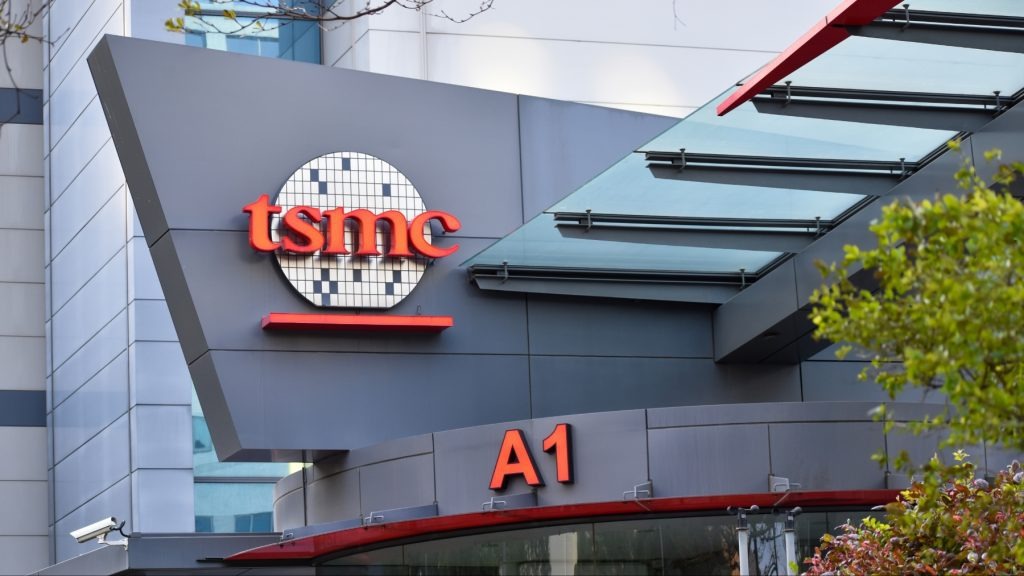
In a statement to investors, TSMC chief executive C.C. Wei highlighted “strong demand for AI accelerators” as the primary driver, projecting full-year revenue growth of 32-34% in US dollar terms—up from a previous estimate of 30%. The firm now anticipates fourth-quarter sales between $26.8 billion and $27.4 billion, reflecting sustained orders from major clients including Nvidia, Apple and AMD. Shares in TSMC rose 5% in Taipei trading following the announcement, adding to a year-to-date gain of over 80%.
Surging Demand for High-End Chips
TSMC’s performance is emblematic of the explosive growth in AI hardware. The company manufactures the majority of the world’s most advanced chips, including those powering Nvidia’s GPUs essential for training large language models. Third-quarter revenue climbed 39% year-on-year to T$759.7 billion, with the high-performance computing segment—dominated by AI applications—accounting for 55% of total sales, up from 36% a year earlier.
Read also this: Google’s Gemini AI Branded ‘High Risk’ for Kids in Scathing Safety Review
A key highlight was the ramp-up in production of TSMC’s 3nm process technology, which offers superior energy efficiency for AI workloads. The company invested T$1.4 trillion in capital expenditure this year, focusing on expanding capacity in Taiwan, the US and Japan. Early trials of its forthcoming 2nm chips, slated for mass production in 2026, promise a 15% performance boost, further solidifying TSMC’s lead over competitors like Samsung.
The earnings also come against a backdrop of US-China trade frictions, with Washington imposing restrictions on advanced chip exports to Beijing. TSMC, which derives about 90% of its revenue from overseas clients, has navigated these challenges by diversifying its footprint, including a $65 billion fab complex in Arizona. Analysts from JPMorgan noted that while risks persist, TSMC’s “irreplaceable role in the AI supply chain” provides a buffer.
Broader Implications for the Tech Sector
This surge reinforces the AI sector’s momentum, with global spending on data centres projected to exceed $300 billion in 2025. However, it also amplifies concerns over energy consumption and supply bottlenecks. TSMC pledged to incorporate more sustainable practices, aiming for net-zero emissions by 2050 through renewable energy sourcing and water recycling.
On social media platforms, reactions were largely positive, with #TSMCEarnings trending among investors and tech enthusiasts. One prominent post from a Silicon Valley analyst read: “TSMC’s numbers aren’t just good—they’re a green light for the AI gold rush continuing into 2026.” Yet, some voices cautioned about over-reliance on a single supplier, echoing calls for diversified chip production.
As October’s tech calendar fills—with Apple’s anticipated event later this month and ongoing AI summits—the TSMC report serves as a barometer for the industry’s health. For Taiwan’s economy, where semiconductors contribute 15% of GDP, the results offer reassurance amid election uncertainties. Looking ahead, TSMC’s trajectory is likely to shape the pace of AI innovation, balancing opportunities with the imperatives of global stability.