Stay connected with BizTech Community—follow us on Instagram and Facebook for the latest news and reviews delivered straight to you.
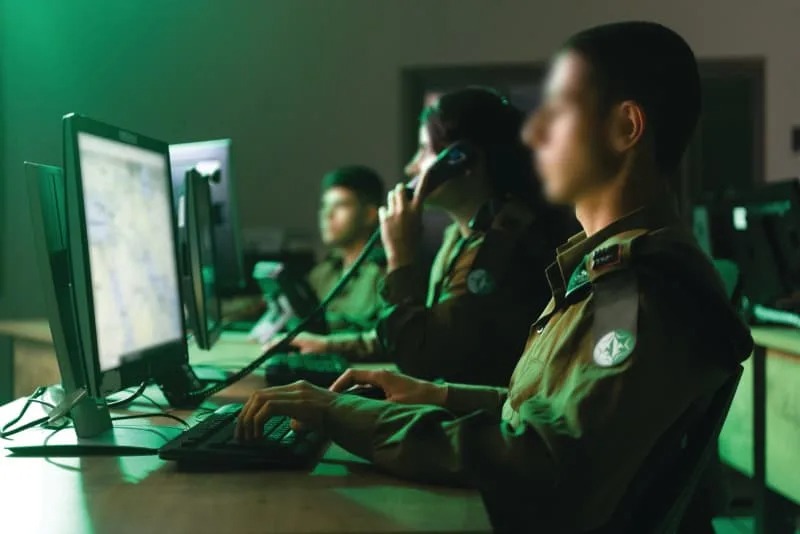
A joint investigation by The Guardian, +972 Magazine, and Local Call has uncovered that Israel’s Unit 8200, its elite cyber-intelligence division, has used Microsoft’s Azure cloud infrastructure to store and analyse millions of intercepted phone calls made by Palestinians in Gaza and the occupied West Bank.
The revelations raise fresh questions over the role of global technology companies in military surveillance and the ethical boundaries of private sector involvement in conflict.
From Targeted Spying to Mass Monitoring
Unit 8200 has traditionally conducted targeted surveillance. According to sources cited in the report, its operations have shifted towards mass monitoring, with one officer describing the approach as “track everyone, all the time.”
The cloud-based programme, launched in 2022, can reportedly process “a million calls an hour.” It allows officers to replay and analyse any recorded call, even if the person involved only becomes a target later. By July 2025, the system had stored approximately 11,500 terabytes of data—equivalent to around 200 million hours of audio.
How Microsoft Became Involved
The collaboration traces back to a 2021 meeting in Seattle between Unit 8200 commander Yossi Sariel and Microsoft CEO Satya Nadella. Microsoft says Nadella’s involvement was brief and that he was unaware of the project’s nature.
However, leaked documents and insider accounts indicate that Microsoft engineers, including former Unit 8200 members, worked closely with Israeli intelligence to build and configure Azure servers for the task. The data is hosted in European data centres located in the Netherlands and Ireland.
Use of the Data in Military Operations
Multiple sources claim the intelligence gathered through Azure has been used to:
- Identify airstrike targets in Gaza.
- Justify arrests in the West Bank.
- Pressure individuals through the exposure of personal information.
One officer alleged that the system was even used to “find an excuse” for detaining individuals when no legitimate reason existed.
Microsoft insists it had “no information” that the data stored was tied to civilian surveillance or military targeting. It maintains that its technology should not be used to identify military targets.
Despite this, internal records reportedly show the company was aware the system contained raw intelligence. Whistleblowers also allege that staff were instructed not to refer to Unit 8200 by name, and that engineers with security clearance worked daily with the unit to customise Azure’s security settings.
Internal Dissent and Public Pressure
The investigation comes amid growing unrest among Microsoft employees and shareholders over the company’s role in the conflict in Gaza.
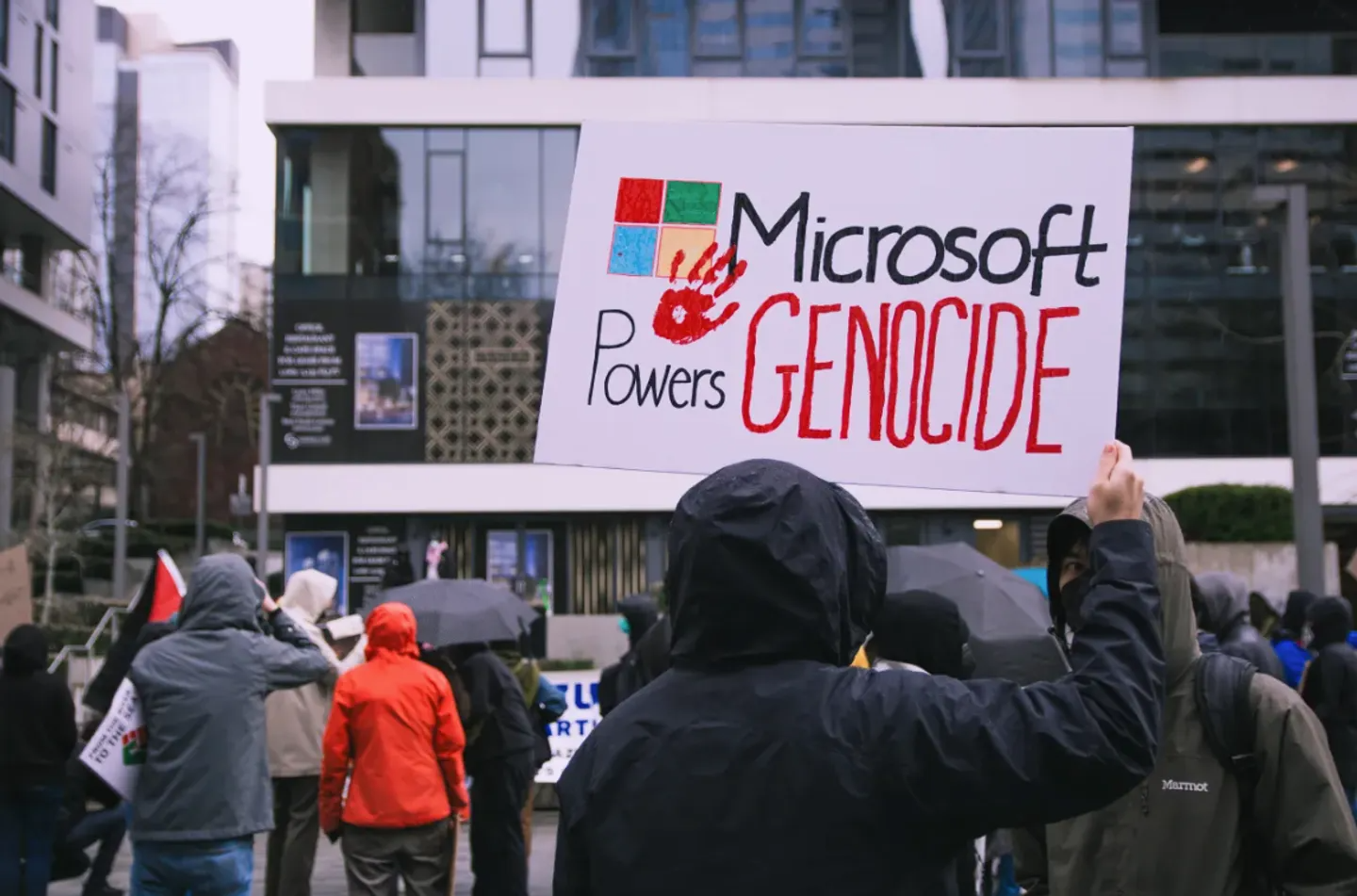
In May, a protester interrupted a keynote speech by Nadella, shouting: “Show how Israeli war crimes are powered by Azure.” Employee campaigns such as No Azure for Apartheid have also called for an end to the company’s involvement in Israeli military contracts. Several activists claim they were dismissed after staging a vigil for Gaza.
Read also: Microsoft Issues Urgent Security Alert Over SharePoint Zero-Day Attacks
Legal and Ethical Implications
The Israeli military says the cooperation is conducted under “legally supervised agreements” and complies with international law. Critics, however, argue that mass surveillance of civilian populations violates privacy rights and can enable human rights abuses.
One intelligence source summed up the appeal of the partnership: “The cloud is infinite storage… It was the solution to our problems in the Palestinian arena.”
As debate grows over corporate responsibility in conflict, Microsoft now faces mounting calls to explain its role and strengthen its human rights due diligence.