Stay connected with BizTech Community—follow us on Instagram and Facebook for the latest news and reviews delivered straight to you.
The Vera C. Rubin Observatory has delivered its first images, marking a historic milestone in astronomical research. Captured over just 10 hours of test observations, the images reveal light from millions of stars and galaxies — and have already led to the discovery of more than 2,100 asteroids, including seven previously unknown near-Earth objects. These early results provide a stunning preview of what’s to come as the observatory prepares for a decade-long survey that will gather more data than all previous optical telescopes combined.
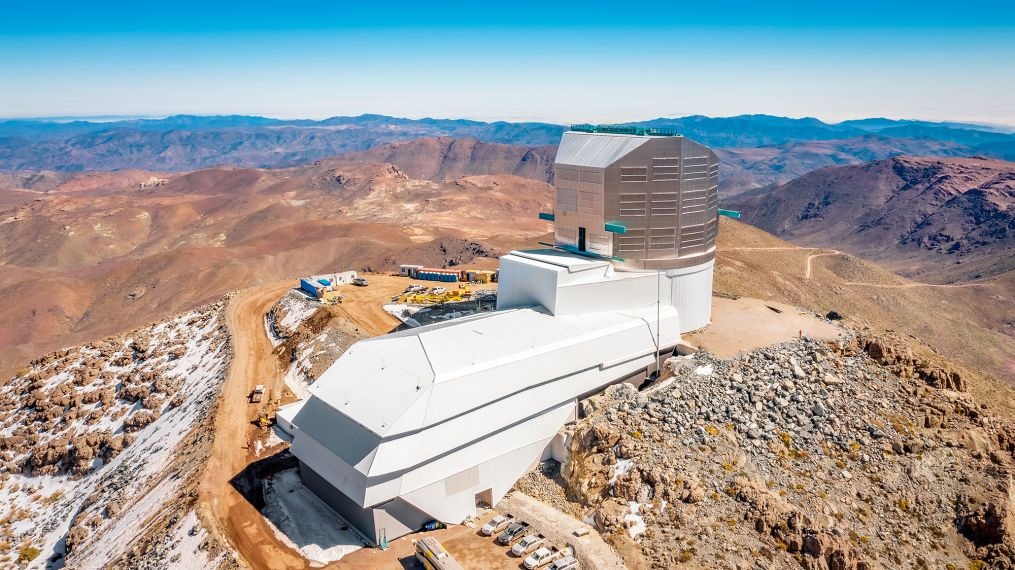
Built atop Cerro Pachón in Chile’s Andes Mountains, the Rubin Observatory houses the largest digital camera ever deployed in space science. The facility, a joint venture of the National Science Foundation and the Department of Energy, is poised to transform how scientists observe and understand the universe.
First Discoveries: Asteroids and Deep Sky Phenomena
Among the most immediate breakthroughs was the identification of thousands of asteroids, including seven near-Earth objects not previously seen. Scientists at the observatory confirmed none pose a threat to Earth, but the discovery highlights Rubin’s power to detect small, dim, fast-moving space rocks — including potential planetary threats.
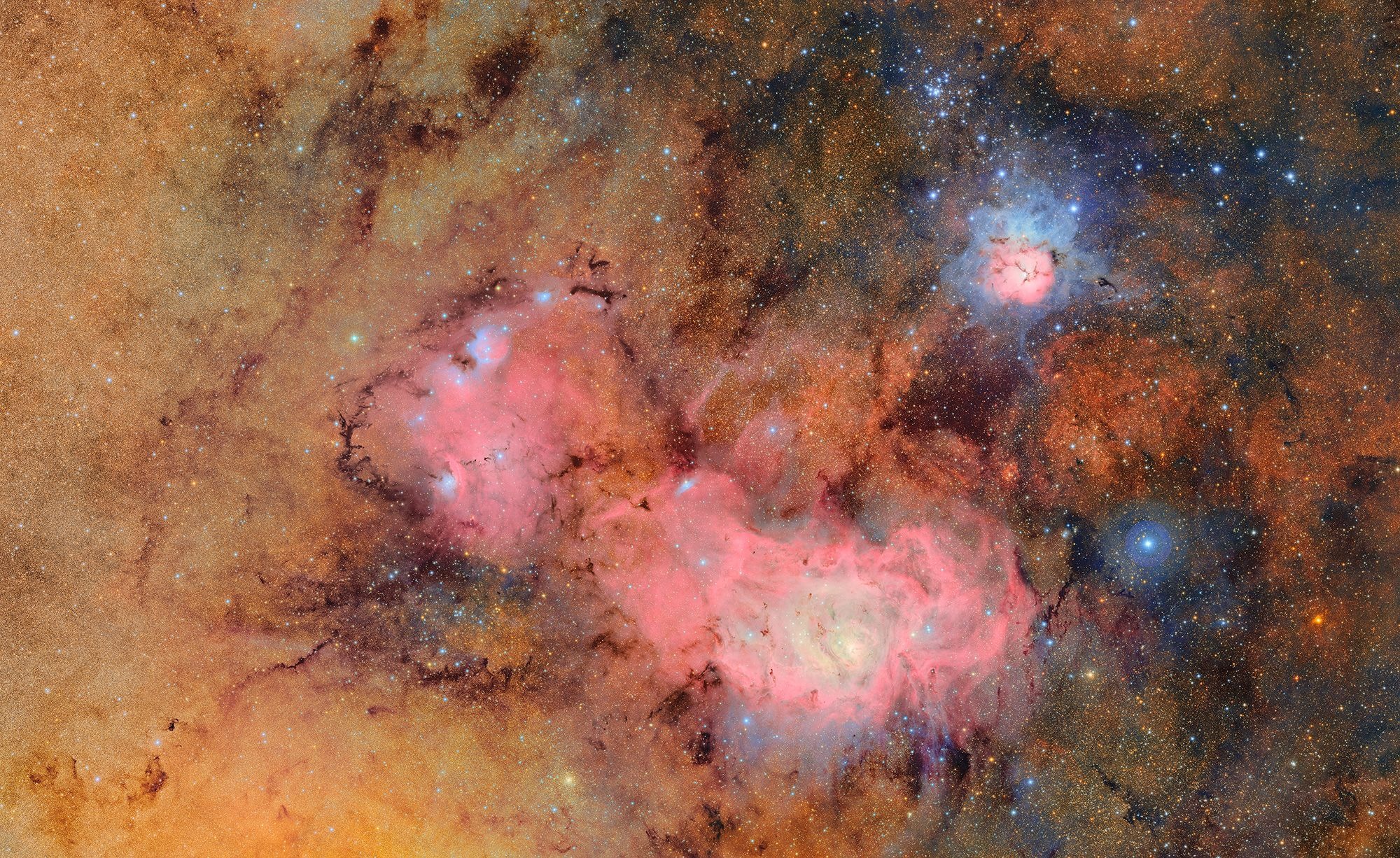
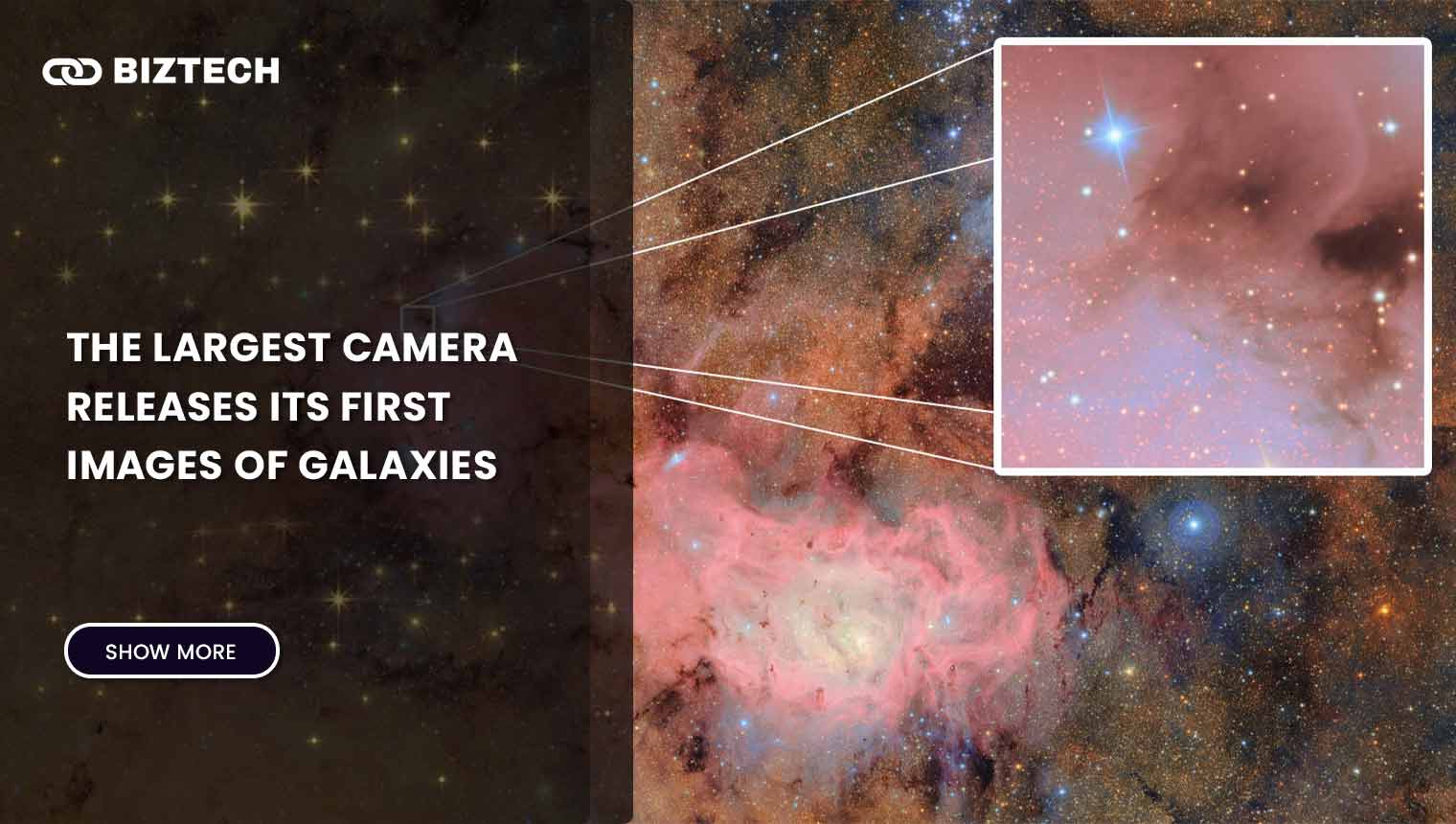
In addition to asteroid hunting, the observatory released a stunning mosaic image of the Trifid and Lagoon nebulae in the Sagittarius constellation. Composed of 678 images taken over seven hours, the image reveals previously invisible wisps of gas and dust thousands of light-years from Earth, offering an unprecedented look at star formation in our galaxy.
A short video, compiled from over 1,100 wide-angle images, showcases two galaxies in intricate detail before zooming out to reveal approximately 10 million galaxies — a tiny sliver (0.05%) of the 20 billion the observatory expects to detect during its 10-year mission.
The Technology Behind the Telescope
At the heart of Rubin’s power is its 8.4-meter Simonyi Survey Telescope, coupled with the largest digital camera ever built for astronomy. Its design allows for an extraordinary field of view, capable of capturing 3.2-gigapixel images with a speed and cadence unmatched by any previous ground-based telescope.
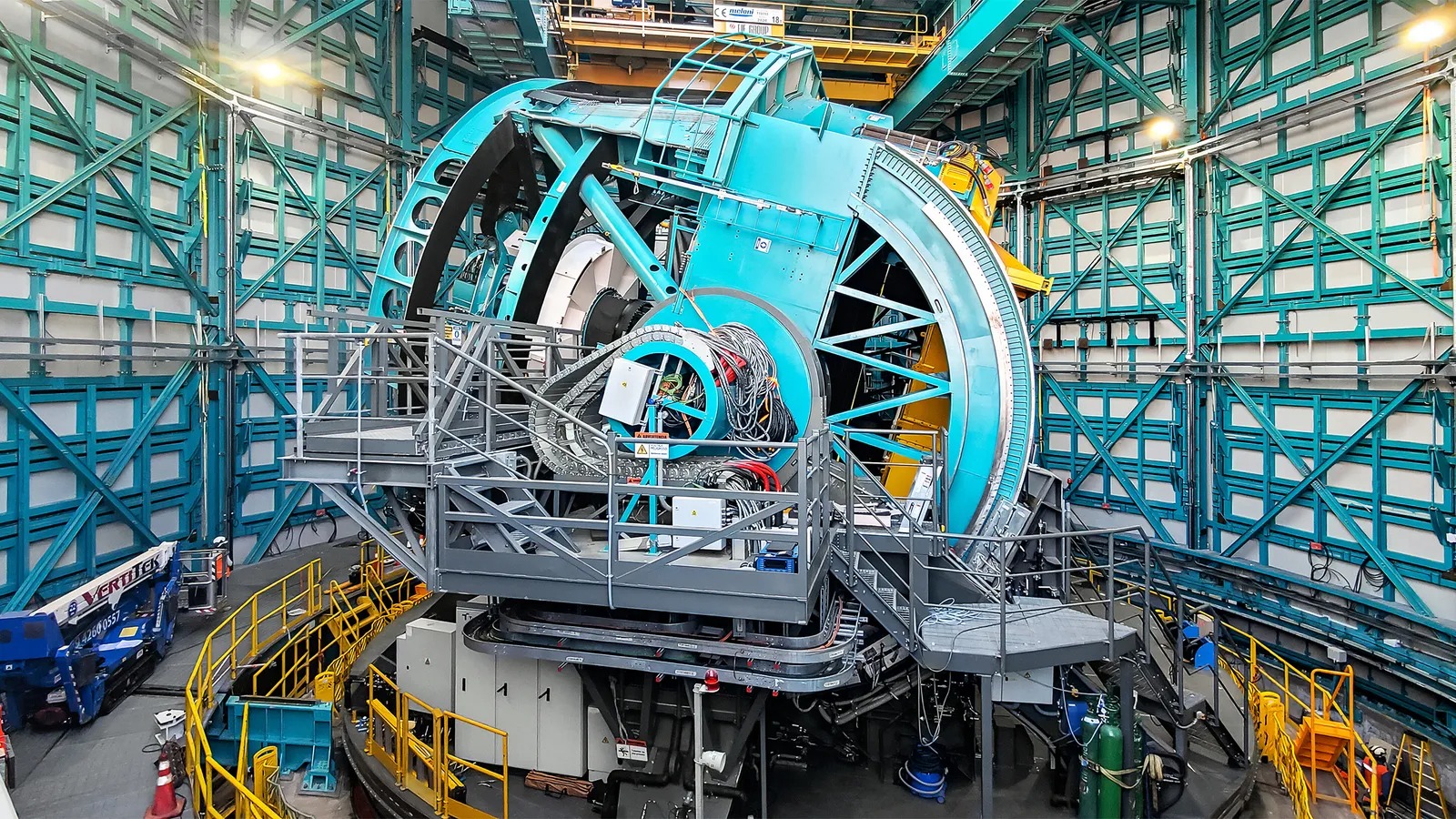
The observatory will continuously image the sky, night after night, detecting changes in brightness and movement — a key method for discovering near-Earth asteroids and transient events like supernovae or interstellar visitors. These features make Rubin the most efficient tool for surveying the sky in search of fast-moving or faint objects that are easily missed by slower or more narrowly focused telescopes.
Read also: Trump Mobile Launches as President’s Latest Business Venture
What’s Next: First Light and the Future of Sky Surveys
Although these first images come from test operations, Rubin Observatory is scheduled to begin full scientific observations — known as “first light” — on July 4, using its state-of-the-art telescope to scan the Southern Hemisphere’s night sky. From its location in Chile, Rubin has an ideal vantage point of the Milky Way’s galactic center and access to some of the darkest skies on Earth.
Once fully operational, Rubin is expected to detect millions of new asteroids, map billions of galaxies, and potentially spot interstellar objects passing through the solar system. Its ability to create a continuous, high-resolution movie of the night sky will enable researchers to monitor cosmic events in real time, revolutionizing both planetary defense and deep-space science.